
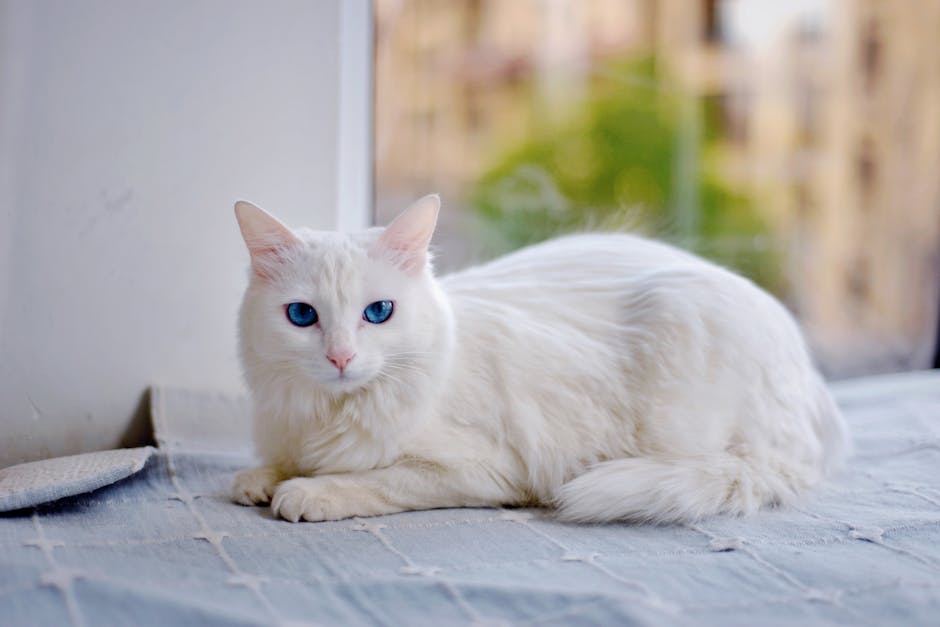

What Makes the Russian Blue Cat a Unique Breed?
The Russian Blue cat is a strikingly beautiful and intelligent breed, renowned for its shy and gentle nature. With a shimmering silver-blue coat, vivid green eyes, and a graceful, muscular build, this feline stands out in the world of cat breeds. Originating from Russia, these cats are often described as reserved yet deeply affectionate with their chosen family. Their natural grace and quiet demeanor make them ideal companions for those seeking a calm and devoted pet. In this comprehensive profile, we will explore the personality, care requirements, history, and health aspects of the Russian Blue, helping you decide if this breed is the perfect addition to your home.
What Is the History and Origin of the Russian Blue Cat?
The Russian Blue is a natural breed that dates back to the 19th century, with its roots traced to the port of Arkhangelsk in Russia. Legend has it that sailors brought these cats from the Russian islands to England and Northern Europe in the 1860s. The breed was known as the Archangel Cat or Maltese Blue before being officially named Russian Blue. They were first exhibited at the Crystal Palace in London in 1875. Over time, selective breeding refined their distinctive traits, including the plush double coat and emerald eyes. The breed gained popularity in the United States after World War II. Today, the Russian Blue is recognized by all major cat registries, including the Cat Fanciers' Association (CFA) and The International Cat Association (TICA). Their history is intertwined with folklore; some believe they bring good luck, while others admire their regal poise.
Furthermore, the breed's development involved crosses with other blue-coated cats, such as the British Shorthair and Siamese, to enhance the coat color and body type. However, dedicated breeders maintained the Russian Blue's unique characteristics. The modern Russian Blue is a product of careful breeding programs that prioritize health and temperament. Understanding their origin helps appreciate their quiet, observant nature—a legacy of their shipboard life where they served as mousers.
What Is the Personality and Temperament of a Russian Blue? Shy and Gentle Nature Explained
The Russian Blue is famous for its shy and gentle nature, but beneath that reserved exterior lies a deeply loyal and playful companion. These cats form strong bonds with their family members, often choosing one person as their favorite. They are not typically lap cats but enjoy close proximity, sleeping next to you or sitting nearby. However, they are cautious around strangers, taking time to warm up. Key personality traits include:
- Intelligent and curious: They love puzzle toys and interactive play. They quickly learn to open doors or retrieve thrown toys.
- Quiet and soft-spoken: Russian Blues rarely meow loudly; instead, they communicate with chirps and trills, making them suitable for apartments.
- Gentle and sensitive: They dislike loud noises and chaotic environments. Positive reinforcement works best for training.
- Playful yet dignified: They enjoy play sessions but will maintain their graceful composure.
Additionally, Russian Blues are known to be good with children who respect their boundaries and other pets like calm dogs. They are not demanding but thrive on routine and a peaceful home. Their shyness is not fear-based but rather a preference for familiar surroundings. Early socialization helps temper their reserve, but they may always be selective with affection. If you’re looking for a cat that offers quiet companionship without being intrusive, the Russian Blue is an excellent choice.
Tips for Bonding with Your Shy Russian Blue
- Respect their space: Let the cat come to you. Avoid forced interactions.
- Use treats and toys: Positive associations build trust. Offer high-value treats like boiled chicken or freeze-dried fish.
- Create safe hiding spots: Provide cat trees, covered beds, or cardboard boxes where they can retreat.
- Speak softly and move slowly: Abrupt movements can startle them. Talk in a gentle voice.
How to Care for a Russian Blue Cat: Nutrition, Grooming, and Exercise?
Caring for a Russian Blue is relatively straightforward, but they have specific needs due to their sensitive nature and beautiful coat. Proper nutrition, grooming, and exercise are essential for their well-being.
Nutrition
Feed a high-quality protein-rich diet, whether dry, wet, or a combination. Russian Blues have a tendency to gain weight if overfed, so portion control is crucial. Choose foods with real meat as the first ingredient and avoid excessive fillers. Their metabolism is average; consult your veterinarian for the best diet plan based on age and activity level.
Grooming
Despite their dense double coat, Russian Blues shed minimally and are considered hypoallergenic (though no cat is 100% hypoallergenic). Their fur has a unique texture that resists matting. Brush once or twice a week with a soft bristle brush to remove loose hair and distribute natural oils. Bathing is rarely needed; they keep themselves clean. Additionally, trim nails regularly and check ears for wax buildup.
Exercise and Play
Russian Blues are moderately active. They enjoy interactive play sessions with feather wands, laser pointers, or puzzle feeders. Provide scratching posts and climbing trees to satisfy their instincts. Daily play of at least 15–20 minutes helps prevent boredom and obesity. They appreciate a window perch to watch birds and outdoor activity.
What Are the Common Health Issues in Russian Blue Cats?
Russian Blues are generally healthy with a lifespan of 15–20 years. However, like all breeds, they can be prone to certain genetic conditions. Common health concerns include:
- Obesity: Due to their love for food and less active nature if not exercised.
- Urinary tract problems: Including bladder stones or FLUTD (Feline Lower Urinary Tract Disease). Ensure adequate water intake.
- Respiratory issues: Some lines may have slightly flat faces, though not as extreme as Persians.
- Patent Ductus Arteriosus (PDA): A congenital heart defect, though rare. Regular veterinary check-ups are vital.
To minimize risks, adopt from reputable breeders who screen for genetic conditions. Routine vet visits, vaccination, dental care, and a balanced diet contribute to a long, healthy life. Additionally, spaying/neutering reduces certain cancer risks.
Is the Russian Blue Cat Hypoallergenic? Exploring the Myth
Many people believe the Russian Blue is hypoallergenic because they produce less of the Fel d 1 protein—the main allergen in cats. Their dense coat also traps dander better than other breeds. While they are considered one of the most allergy-friendly cats, no cat is truly hypoallergenic. Allergic reactions depend on individual sensitivity. Therefore, spend time with a Russian Blue before committing if allergies are a concern. Some people report fewer symptoms with this breed, but regular grooming and air purifiers can also help.
How to Find a Reputable Russian Blue Breeder or Consider Adoption?
When searching for a Russian Blue kitten, prioritize responsible breeders who prioritize health and temperament. Tips to find a good breeder:
- Ask for health clearances: For conditions like PKD (Polycystic Kidney Disease) and heart issues.
- Visit the cattery: Ensure clean, spacious environment and socialized kittens.
- Request references: Talk to previous buyers.
- Avoid impulse buying: Never buy from pet stores or online ads without verification.
Alternatively, consider adoption. Many Russian Blues and Russian Blue mixes end up in shelters due to owner misunderstanding of their shy nature. Rescue groups like the Russian Blue Rescue exist. Adoption not only saves a life but also provides a second chance for a wonderful companion.
What Is the Price Range for a Russian Blue Cat?
Prices vary based on breeder reputation, location, and lineage. Show-quality kittens from champion bloodlines can cost $800–$1,500. Pet-quality kittens with no breeding rights range from $600–$1,000. Expect to pay more for females or rare color variations (although the standard is blue). Always factor in initial costs for vaccinations, spaying/neutering, and supplies. Annual maintenance for high-quality food and vet care is around $300–$500.
Conclusion: Is the Russian Blue Cat Right for You?
The Russian Blue cat offers a unique blend of beauty, intelligence, and quiet devotion. Their shy and gentle nature makes them ideal for calm households, single owners, or families with older children who appreciate a reserved personality. While they may not be overly cuddly, their loyalty and playful moments bring immense joy. If you can provide a serene environment, regular interaction, and respect their boundaries, the Russian Blue will reward you with a lifelong bond. Consider your lifestyle: if you often have guests or prefer an extroverted cat, this breed might not suit. However, for those who value a serene presence, the Russian Blue is a perfect feline companion.