
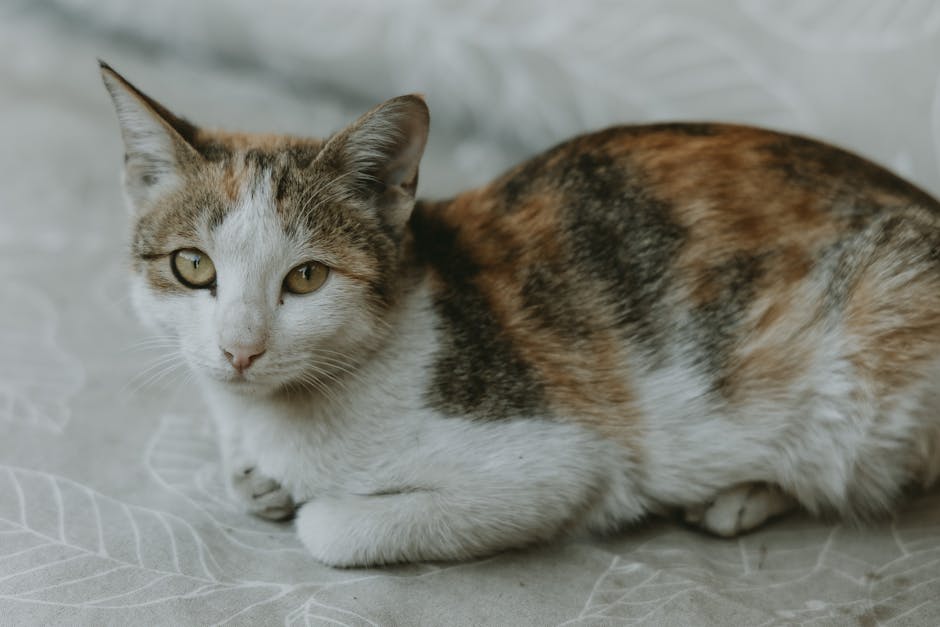
The Abyssinian cat breed is one of the oldest and most beloved cat breeds worldwide, known for its striking ticked coat and highly active personality. If you're looking for a feline companion that is both playful and affectionate, the Abyssinian might be the perfect match. In this comprehensive guide, we'll explore everything you need to know about this energetic breed, from their history and temperament to care requirements and health considerations.
What is the history of the Abyssinian cat breed?
The Abyssinian cat breed has a fascinating history that traces back to ancient Egypt, though the modern breed was developed in Great Britain. Depictions of cats resembling Abyssinians appear in Egyptian art, leading many to believe they are descendants of sacred Egyptian cats. However, the first known Abyssinian was imported from Ethiopia (formerly Abyssinia) to England in the 1800s. The breed was officially recognized by cat associations in the early 20th century. Today, Abyssinians are prized for their intelligence and striking appearance.
What does an Abyssinian cat look like?
The Abyssinian cat is a medium-sized, muscular cat with a sleek body and a distinctive ticked coat. Each hair has multiple bands of color, creating a shimmering effect. Common colors include ruddy, red, blue, and fawn. Their almond-shaped eyes are typically gold or green. Large ears and a graceful neck add to their regal appearance. Abyssinians weigh between 6–10 pounds and have a lifespan of 12–15 years.
How active and playful is the Abyssinian personality?
The Abyssinian is often called the “clown of the cat world” due to its high energy and playful nature. These cats are incredibly active and require plenty of stimulation. They love to climb, jump, and explore their surroundings. Abyssinians are also very social and enjoy interactive play with their owners. They are not lap cats but will follow you around and stay involved in household activities. Their intelligence makes them quick learners, and they can be trained to fetch or walk on a leash.
Key personality traits:
- Highly energetic and curious
- Affectionate but independent
- Gets along with other pets and children
- Needs mental and physical stimulation
- May become destructive if bored
How should you care for an Abyssinian cat?
Caring for an Abyssinian requires attention to their exercise and environmental needs. Provide vertical spaces like cat trees or shelves. Interactive toys, puzzle feeders, and daily play sessions are essential. Because they are active, they need a high-quality diet rich in protein. Feed measured portions to prevent obesity. Grooming is minimal due to their short coat, but weekly brushing helps reduce shedding. Additionally, schedule regular vet check-ups and maintain dental hygiene.
Tips for exercise and enrichment
- Set aside 20–30 minutes of active play daily
- Rotate toys to keep them engaged
- Consider a cat wheel or laser pointer games
What are common health issues in Abyssinian cats?
Abyssinians are generally healthy but are prone to certain hereditary conditions. Patellar luxation (knee dislocation) and progressive retinal atrophy (PRA) are common. They may also develop gingivitis, so dental care is important. Regular veterinary screenings can help detect issues early. Additionally, because they are active, they may be at risk for injuries from falls. Keep windows secured and avoid high ledges without safe landing areas.
How to train an Abyssinian cat?
Training an Abyssinian is rewarding due to their intelligence. Use positive reinforcement with treats and praise. Clicker training can teach tricks like sit, high-five, or fetch. Litter box training is usually straightforward, but keep the box clean. They can also learn to walk on a harness with patience. However, training sessions should be short and fun to match their attention span.
What is the best diet for an Abyssinian cat?
Feed your Abyssinian a balanced diet with high-quality animal protein. Look for foods with real meat as the first ingredient. A mix of wet and dry food provides hydration and dental benefits. Avoid fillers like corn or soy. Treats should be given sparingly. Because they are active, they may require slightly more calories than less active breeds. Consult your vet for specific portion sizes.
| Nutrient | Importance |
|---|---|
| Protein (≥40%) | Muscle maintenance and energy |
| Fat (15–20%) | Healthy skin and coat |
| Taurine | Heart and eye health |
| Fiber | Digestive health |
Is an Abyssinian cat right for your family?
Abyssinians are best for active families or individuals who can dedicate time to play and interaction. They thrive in homes with other pets and children, as long as there is supervision. However, they may not suit people who want a quiet, low-energy cat. If you work long hours, consider adopting two cats for companionship or providing ample enrichment toys. Ultimately, their affectionate and playful nature makes them wonderful companions for the right owner.
Conclusion
In summary, the Abyssinian cat breed is a vibrant, intelligent, and active feline that brings joy to any household. Their playful personality requires committed care, but the reward is a loyal and entertaining companion. By understanding their needs for exercise, diet, and social interaction, you can ensure a happy, healthy life for your Abyssinian. Whether you're a seasoned cat owner or a first-timer, this breed offers endless fun and affection.