

If you're torn between two adorable flat-face cat breeds, you're likely comparing the classic Persian versus the low-maintenance Exotic Shorthair. This **Persian vs Exotic Shorthair** guide dives deep into their differences, helping you decide which flat-face cat is better for your home. Both breeds boast sweet personalities and distinct looks, but their care needs differ significantly. Let's explore every aspect to make your choice easier.

What Are the Key Differences Between Persian and Exotic Shorthair Cats?
While both breeds share a similar brachycephalic (flat-face) structure, they diverge in coat care, temperament, and maintenance. Below is a quick comparison table highlighting their primary differences.
| Trait | Persian | Exotic Shorthair |
|---|---|---|
| Coat Type | Long, dense, silky | Short, plush, easy-care |
| Grooming Needs | Daily brushing required | Weekly brushing sufficient |
| Energy Level | Low to moderate | Moderate to playful |
| Affection Level | Very high, lap cat | High but more independent |
| Health Issues | Brachycephalic, renal, eye | Brachycephalic, polycystic kidney |
| Lifespan | 12–17 years | 12–15 years |
| Suitability for Families | Excellent with calm homes | Great with active families |
As the table shows, the Exotic Shorthair offers a lower-maintenance option while retaining much of the Persian's charm. However, the Persian’s luxurious coat appeals to those who enjoy grooming rituals.
Which Cat Has Better Grooming Needs – Persian or Exotic Shorthair?
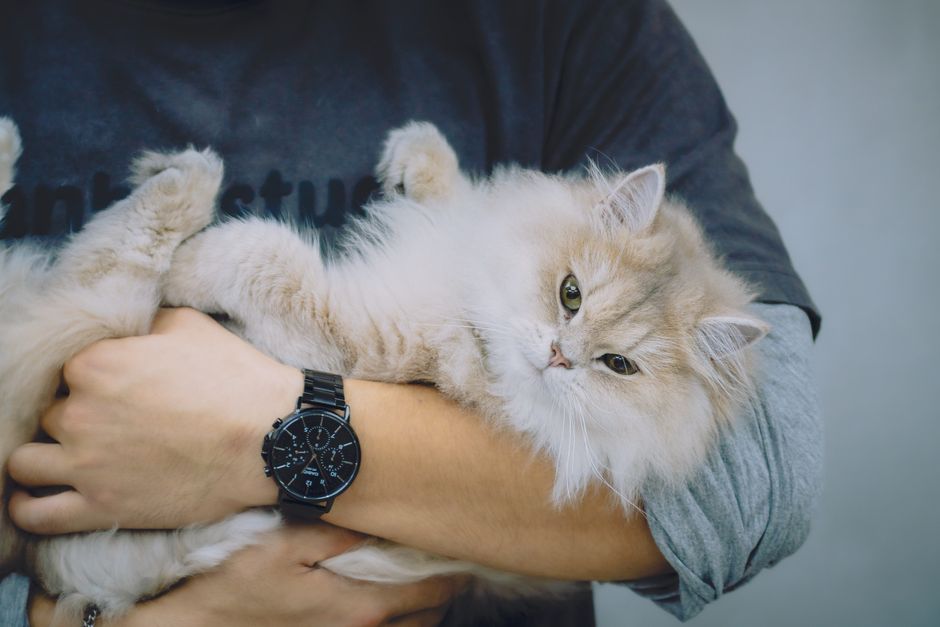
Grooming is arguably the biggest differentiator. The Persian requires daily brushing to prevent mats and tangles in its long fur. Without regular combing, these cats develop painful knots. Additionally, Persians need frequent face washing due to tear staining. In contrast, the Exotic Shorthair has a short, dense coat that only needs weekly brushouts. Their flat faces still produce tears, but grooming is far less time-consuming.
- Persian grooming routine: Daily combing, weekly bath (if show cat), eye wipes twice a day, nail trims.
- Exotic Shorthair grooming routine: Weekly brushing, occasional bath, eye cleaning every few days, nail trims.
Furthermore, Exotic Shorthairs are ideal for owners who want the Persian look without the daily commitment. However, both breeds shed, so if you have allergies, the Exotic Shorthair may be slightly better due to lower dander distribution from less grooming activity.
How Do Their Health Issues Compare Between Persian and Exotic Shorthair Cats?
Both breeds suffer from brachycephalic airway syndrome because of their flat faces. This can cause breathing difficulties, snoring, and heat sensitivity. Persians are also prone to progressive retinal atrophy (PRA), polycystic kidney disease (PKD), and dental malocclusions. Exotic Shorthairs share PKD risks but have fewer eye problems. Additionally, Persians may develop seborrhea oleosa (greasy skin) due to their coat, while Exotics avoid this. Regular vet checkups are crucial for both, especially monitoring for kidney issues.
Owners should ensure their homes are cool during hot weather, as both breeds struggle to regulate temperature because of their shortened snouts. Overall, while health concerns overlap, the Exotic Shorthair edges ahead slightly thanks to fewer breed-specific issues.
Which Breed Is More Affectionate and Playful – Persian or Exotic Shorthair?
Persians are famous for their calm, lap-loving nature. They enjoy lounging and gentle petting, making them perfect for quiet households. Exotic Shorthairs, while equally affectionate, possess a more playful streak. They chase toys, explore cat trees, and engage in interactive games. However, they are not hyperactive—just moderately energetic. If you want a cat that will snuggle but also entertain you, the Exotic Shorthair strikes a balance.
- Persian temperament: Quiet, sweet, reserved, prefers a predictable routine.
- Exotic Shorthair temperament: Sweet, curious, moderately active, adapts to new situations well.
Nevertheless, both breeds are gentle with children and other pets. The key difference lies in activity level: Persians are sedentary, while Exotics enjoy a bit more playtime. For apartment dwellers wanting a calm companion, the Persian is excellent. For families seeking a bit of interactive fun, the Exotic Shorthair fits better.
How Do Their Lifespan and Care Costs Differ for Persian vs Exotic Shorthair?
Lifespan averages are similar—Persians live 12–17 years, Exotic Shorthairs 12–15 years—but care costs vary significantly. Persians require higher grooming expenses (professional grooming every 4–6 weeks, special tear stain removers, hypoallergenic wipes). Expect to spend $50–$100 monthly on grooming supplies. Exotic Shorthairs need only basic brushes and occasional baths, costing under $20 per month. Additionally, veterinary bills for brachycephalic conditions can be higher for Persians due to more frequent respiratory and eye issues.
Furthermore, initial purchase prices differ. Persian kittens from reputable breeders range $1,200–$2,000, while Exotic Shorthairs average $1,000–$1,800. Over a cat’s lifetime, the Exotic Shorthair typically costs less overall, making it a more budget-friendly choice for many owners.
Which Flat-Face Cat Is Better for Families and Apartment Living?
Both breeds adapt well to apartments because of their low to moderate energy levels. However, the Persian’s quiet nature makes it ideal for calm environments without children or boisterous pets. Conversely, the Exotic Shorthair is more tolerant of noise and activity, suiting families with older children. If you live alone or in a serene setting, a Persian cat offers constant companionship. If you have a busy household, the Exotic Shorthair will handle the hustle better.
- Best for apartments: Both, but Persians need less space due to lower activity.
- Best for families: Exotic Shorthair (gentle and playful).
- Best for allergy concerns: Exotic Shorthair (less grooming = fewer allergens).
Additionally, consider your lifestyle. Persians require more dedicated care time, while Exotics give you more freedom. Ultimately, the better breed depends on your personal routine and preferences.
What Is the Final Verdict on Choosing Between Persian and Exotic Shorthair?
In conclusion, the Persian vs Exotic Shorthair debate comes down to maintenance versus convenience. If you adore long, silky coats and have time for daily grooming, the Persian cat will reward you with unparalleled affection. However, if you want the same sweet face with less work, the Exotic Shorthair is the superior choice. Both breeds make wonderful pets, but the Exotic Shorthair offers a slightly better balance for modern, busy lifestyles. Evaluate your schedule, budget, and energy level to select the flat-face cat that fits your home perfectly. No matter which you pick, you'll gain a loving companion with a unique charm.