
Cat Breeds

Siamese vs Ragdoll Cat Temperament and Care Compared

Siamese vs Ragdoll Cat Temperament and Care Compared

Siamese vs Ragdoll Cat Temperament: What Are the Key Differences?

Siamese vs Ragdoll Cat Temperament: What Are the Key Differences?

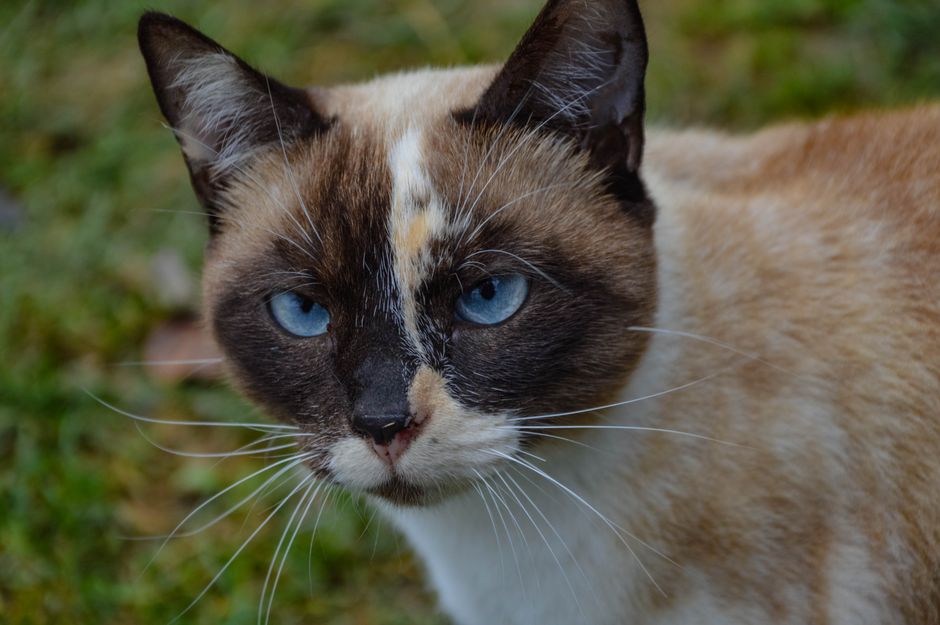
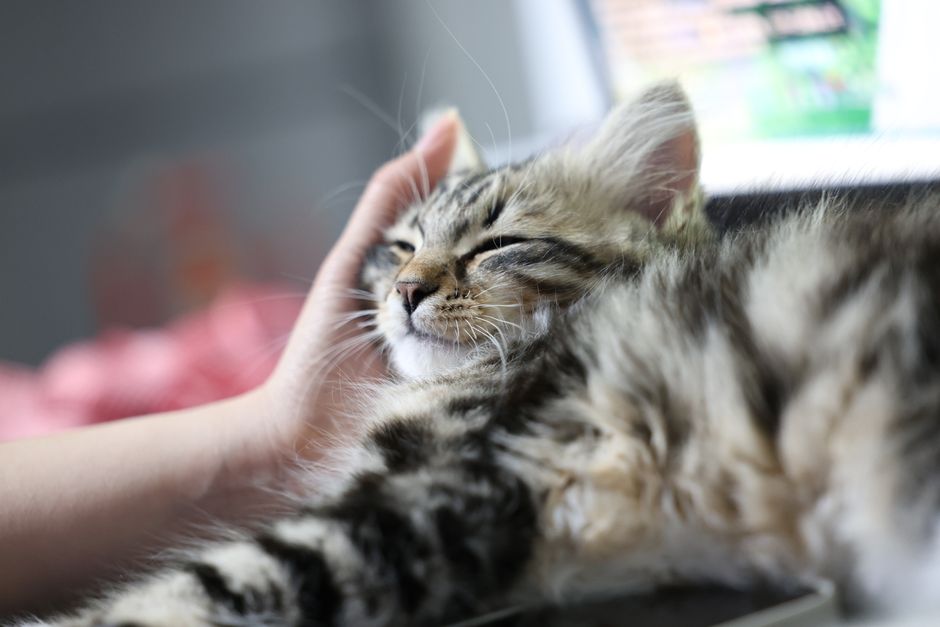
When deciding between a Siamese and a Ragdoll cat, understanding their unique temperaments and care requirements is essential. This Siamese vs Ragdoll cat temperament and care compared guide will help you choose the perfect feline companion. Siamese cats are famously vocal, active, and demanding, while Ragdolls are known for their relaxed, affectionate, and nearly dog-like loyalty. Their personalities are so distinct that your lifestyle often dictates which breed suits you best.

Siamese cats thrive on constant interaction and can become destructive if ignored. Ragdolls, however, are content to lounge calmly beside you. These fundamental differences extend into every aspect of care, from exercise needs to grooming routines. Let's dive deeper into each trait.

Temperament Contrasts

Siamese cats are extroverts who will follow you room to room, chattering and demanding attention. They are highly intelligent and require puzzle toys and interactive play. Ragdolls, on the other hand, are placid and tend to go limp when held (hence the name). They are less likely to jump on counters or cause mischief, making them ideal for quieter homes.
How Do Siamese and Ragdoll Cats Compare in Care Needs?

How Do Siamese and Ragdoll Cats Compare in Care Needs?

Care requirements for these breeds overlap in some areas but diverge significantly in others. Both need a high-quality diet, regular vet checkups, and plenty of love. However, their energy levels and grooming routines differ.

  • Exercise: Siamese need at least 30 minutes of interactive play daily. Ragdolls are less active but still enjoy moderate play sessions.
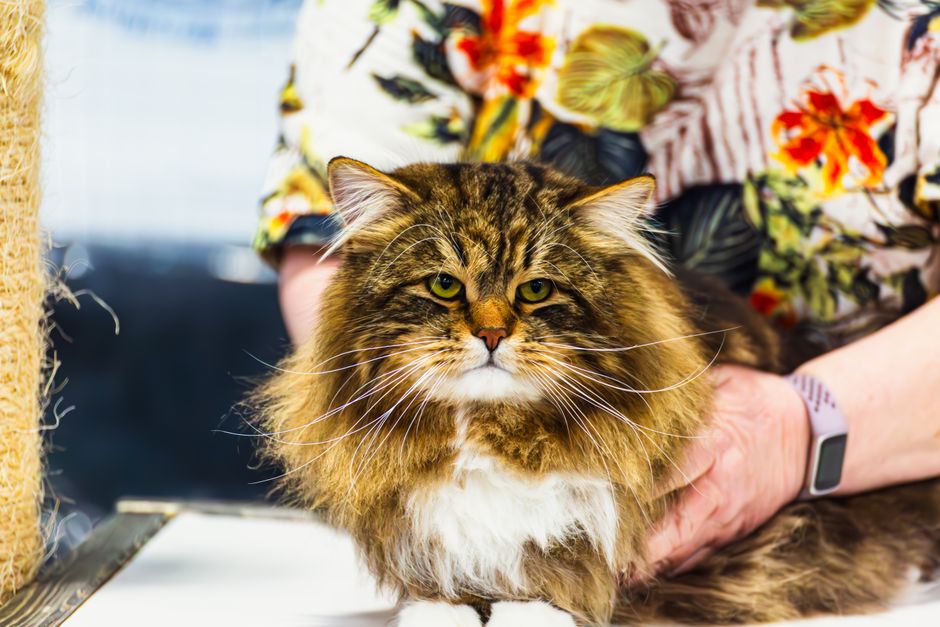
  • Grooming: Siamese have short, fine coats that require weekly brushing. Ragdolls have semi-long, silky fur that needs brushing 2-3 times per week to prevent mats.
  • Social Needs: Siamese cats often require a companion pet because they dislike being alone. Ragdolls are more independent but still crave human companionship.

Furthermore, diet amounts vary: active Siamese may need more calories, while Ragdolls are prone to obesity if overfed. Portion control is crucial for both breeds.

Which Breed Is More Vocal: Siamese or Ragdoll?

Siamese cats are notoriously talkative, using a wide range of meows, chirps, and yowls to communicate. They will express their opinions about food, playtime, or even the weather. Ragdolls, in contrast, are generally quiet. They may use soft, sweet meows when they want attention, but they rarely demand it vocally. If you prefer a peaceful home, a Ragdoll is the better choice. However, if you enjoy a chatty companion and have time to engage, a Siamese will be a delightful conversationalist.

It's also worth noting that Siamese cats can be quite loud and persistent. Their vocalizations can sometimes be mistaken for distress, but it's simply their way of connecting. Ragdoll owners often describe their cats as “purring machines” rather than talkers.

Siamese vs Ragdoll: Grooming and Shedding Considerations?

Grooming needs are another major differentiator. Siamese cats have a short, sleek coat that sheds moderately. Weekly brushing with a soft bristle brush is sufficient to remove loose hair and distribute skin oils. Ragdolls, with their longer, silky fur, require more attention. Daily or at least every other day brushing is recommended to prevent tangles and mats. They shed seasonally, and their fur can be more noticeable around the house.

Additionally, Ragdolls may need occasional baths to keep their coat pristine, especially if they enjoy outdoor time (though they are primarily indoor cats). Siamese cats rarely need baths unless they get into something messy. Both breeds benefit from regular nail trimming and dental care.

Training Differences: Are Siamese or Ragdoll Cats Easier to Train?

Siamese cats are highly intelligent and eager to learn tricks, such as fetching or walking on a harness. They respond well to clicker training and positive reinforcement. Their curiosity drives them to solve puzzles and learn commands quickly. Ragdolls, while also smart, are less motivated by novelty. They can learn basic commands like “sit” or “come” but may not be as enthusiastic about complex tricks. However, they are easier to litter train and typically adapt well to routines.

Nevertheless, both breeds can be trained, but Siamese require more mental stimulation to avoid boredom-induced behaviors. A bored Siamese may turn to destructive scratching or excessive meowing, while a bored Ragdoll is more likely to simply sleep more.

TraitSiameseRagdoll
VocalizationVery highLow
Energy LevelHighModerate
Grooming NeedsLowModerate to high
TrainabilityHigh (tricks)Moderate (basic)
Affection TypeDemandingGentle
Good with KidsYes, if socializedExcellent
Good with Other PetsOften dominantGenerally friendly

Health and Lifespan: Siamese vs Ragdoll – Which Lives Longer?

Both breeds are generally healthy, but they have different predispositions. Siamese cats typically live 15–20 years, while Ragdolls average 12–15 years. Siamese are prone to respiratory issues (like asthma), dental problems, and progressive retinal atrophy. Ragdolls are more susceptible to hypertrophic cardiomyopathy (HCM), a heart condition, and bladder stones.

Regular veterinary care is essential for both. Siamese benefit from annual dental cleanings, and Ragdolls should have cardiac screenings. Additionally, feeding a balanced diet appropriate for each breed’s activity level can help prevent obesity-related issues. Overall, both breeds can be long-lived companions with proper care.

Conclusion: Siamese vs Ragdoll – Which Cat Is Right for You?

Choosing between a Siamese and a Ragdoll ultimately depends on your lifestyle and personality. If you want an active, talkative, and highly interactive cat that keeps you on your toes, a Siamese is your match. If you prefer a calm, affectionate, and low-key companion that loves to cuddle but doesn’t demand constant attention, a Ragdoll will be a perfect fit. Both breeds are wonderful, but understanding these temperament and care differences ensures a harmonious home. Whichever you choose, you’ll gain a devoted feline friend.

Share: Facebook Twitter Pinterest

SWT Pal Pet

Pet Care Expert

Expert in pet care with years of experience helping pet owners make informed decisions about their furry friends.

← Previous How to Identify Your Cat Breed Without Papers Next → British Shorthair vs Russian Blue Which Is Better
We use cookie to improve your online experience. By continuing to browse this website, you agree to our use of cookie.

Cookies

Please read our Terms and Conditions and this Policy before accessing or using our Services. If you cannot agree with this Policy or the Terms and Conditions, please do not access or use our Services. If you are located in a jurisdiction outside the European Economic Area, by using our Services, you accept the Terms and Conditions and accept our privacy practices described in this Policy.
We may modify this Policy at any time, without prior notice, and changes may apply to any Personal Information we already hold about you, as well as any new Personal Information collected after the Policy is modified. If we make changes, we will notify you by revising the date at the top of this Policy. We will provide you with advanced notice if we make any material changes to how we collect, use or disclose your Personal Information that impact your rights under this Policy. If you are located in a jurisdiction other than the European Economic Area, the United Kingdom or Switzerland (collectively “European Countries”), your continued access or use of our Services after receiving the notice of changes, constitutes your acknowledgement that you accept the updated Policy. In addition, we may provide you with real time disclosures or additional information about the Personal Information handling practices of specific parts of our Services. Such notices may supplement this Policy or provide you with additional choices about how we process your Personal Information.


Cookies

Cookies are small text files stored on your device when you access most Websites on the internet or open certain emails. Among other things, Cookies allow a Website to recognize your device and remember if you've been to the Website before. Examples of information collected by Cookies include your browser type and the address of the Website from which you arrived at our Website as well as IP address and clickstream behavior (that is the pages you view and the links you click).We use the term cookie to refer to Cookies and technologies that perform a similar function to Cookies (e.g., tags, pixels, web beacons, etc.). Cookies can be read by the originating Website on each subsequent visit and by any other Website that recognizes the cookie. The Website uses Cookies in order to make the Website easier to use, to support a better user experience, including the provision of information and functionality to you, as well as to provide us with information about how the Website is used so that we can make sure it is as up to date, relevant, and error free as we can. Cookies on the Website We use Cookies to personalize your experience when you visit the Site, uniquely identify your computer for security purposes, and enable us and our third-party service providers to serve ads on our behalf across the internet.

We classify Cookies in the following categories:
 ●  Strictly Necessary Cookies
 ●  Performance Cookies
 ●  Functional Cookies
 ●  Targeting Cookies


Cookie List
A cookie is a small piece of data (text file) that a website – when visited by a user – asks your browser to store on your device in order to remember information about you, such as your language preference or login information. Those cookies are set by us and called first-party cookies. We also use third-party cookies – which are cookies from a domain different than the domain of the website you are visiting – for our advertising and marketing efforts. More specifically, we use cookies and other tracking technologies for the following purposes:

Strictly Necessary Cookies
These cookies are necessary for the website to function and cannot be switched off in our systems. They are usually only set in response to actions made by you which amount to a request for services, such as setting your privacy preferences, logging in or filling in forms. You can set your browser to block or alert you about these cookies, but some parts of the site will not then work. These cookies do not store any personally identifiable information.

Functional Cookies
These cookies enable the website to provide enhanced functionality and personalisation. They may be set by us or by third party providers whose services we have added to our pages. If you do not allow these cookies then some or all of these services may not function properly.

Performance Cookies
These cookies allow us to count visits and traffic sources so we can measure and improve the performance of our site. They help us to know which pages are the most and least popular and see how visitors move around the site. All information these cookies collect is aggregated and therefore anonymous. If you do not allow these cookies we will not know when you have visited our site, and will not be able to monitor its performance.

Targeting Cookies
These cookies may be set through our site by our advertising partners. They may be used by those companies to build a profile of your interests and show you relevant adverts on other sites. They do not store directly personal information, but are based on uniquely identifying your browser and internet device. If you do not allow these cookies, you will experience less targeted advertising.

How To Turn Off Cookies
You can choose to restrict or block Cookies through your browser settings at any time. Please note that certain Cookies may be set as soon as you visit the Website, but you can remove them using your browser settings. However, please be aware that restricting or blocking Cookies set on the Website may impact the functionality or performance of the Website or prevent you from using certain services provided through the Website. It will also affect our ability to update the Website to cater for user preferences and improve performance. Cookies within Mobile Applications

We only use Strictly Necessary Cookies on our mobile applications. These Cookies are critical to the functionality of our applications, so if you block or delete these Cookies you may not be able to use the application. These Cookies are not shared with any other application on your mobile device. We never use the Cookies from the mobile application to store personal information about you.

If you have questions or concerns regarding any information in this Privacy Policy, please contact us by email at . You can also contact us via our customer service at our Site.