
What Is a Norwegian Forest Cat?
The Norwegian Forest Cat, often called a 'Wegie' by enthusiasts, is a large, sturdy, and exceptionally fluffy feline breed that originated in the forests of Norway. With a thick double coat, tufted ears, and a bushy tail, this breed is built for cold climates. However, their gentle and friendly nature makes them wonderful companions. The Norwegian Forest Cat breed guide includes everything you need to know about their size, temperament, and care requirements. If you’re looking for a majestic cat that combines wild looks with a loving personality, this breed might be perfect for you.
What Is the History and Origin of the Norwegian Forest Cat?
The Norwegian Forest Cat is one of the oldest natural breeds in Scandinavia. They are believed to have descended from domestic cats brought to Norway by Vikings, intermixing with local feral cats. These cats adapted to the harsh Scandinavian winters, developing a thick, water-repellent coat and a strong, muscular body. Furthermore, the breed appears in Norse mythology as the 'skogkatt' or forest cat, often associated with the goddess Freyja. However, the breed nearly went extinct during World War II. Thanks to dedicated breeders, the Norwegian Forest Cat was revived and officially recognized by international cat associations in the 1970s and 1980s. Today, they are cherished worldwide for their beauty and affectionate nature.
What Does a Norwegian Forest Cat Look Like?
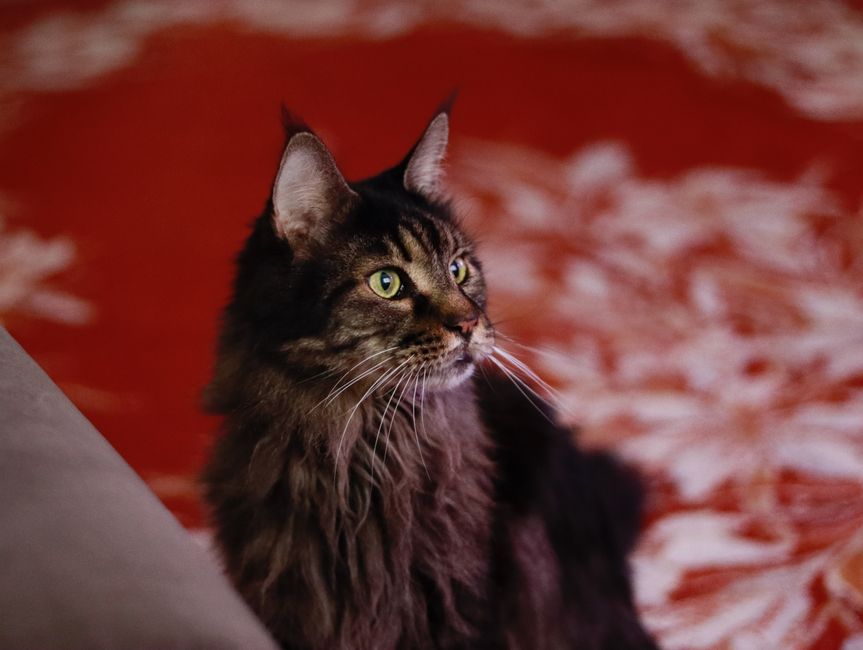
The Norwegian Forest Cat is a large, powerfully built cat with a long-haired double coat. Males can weigh between 12 and 22 pounds, while females range from 9 to 15 pounds. Their body is muscular with a solid bone structure. Notable features include a triangular head, almond-shaped eyes, and large, tufted ears. Their coat comes in many colors and patterns, but tabby and red are common. The tail is long, thick, and bushy, often reaching to the shoulders when curled over the back. Additionally, they have tufts of fur between their toes, acting like snowshoes. Key physical traits include:
- Large, sturdy body with muscular build
- Double coat: a dense undercoat and a waterproof guard hair layer
- Distinctive long, bushy tail and ear tufts
Overall, their appearance exudes a wild elegance while being incredibly soft and huggable.
What Is the Temperament and Personality of a Norwegian Forest Cat?
Despite their rugged appearance, Norwegian Forest Cats are known for being gentle, affectionate, and patient. They are intelligent and playful, often retaining kitten-like energy well into adulthood. They are social cats that enjoy human company but are not overly demanding. Additionally, they get along well with children, other cats, and even cat-friendly dogs. However, they are not lap cats per se; they prefer to be near you—curled beside you on the couch or perched on a high shelf. They are also known for their 'trilling' vocalizations rather than loud meows. Another endearing trait is their love for climbing; they will appreciate cat trees and window perches. Personality highlights:
- Friendly and tolerant, making them ideal family pets
- Playful and active, but also enjoy quiet moments
- Independent streak—they are not clingy but bond deeply
Furthermore, they are adaptable and can live happily in both houses and apartments as long as they have enrichment.
How to Care for a Norwegian Forest Cat?
Caring for a Norwegian Forest Cat involves meeting their physical, nutritional, and grooming needs. First, provide a balanced environment with climbing structures and interactive toys. They are intelligent and need mental stimulation; puzzle feeders and regular play sessions are ideal. Additionally, ensure they have a designated scratching post to maintain their claws. Regular veterinary check-ups, vaccinations, and parasite prevention are essential. Because of their long coat, grooming is crucial—daily brushing during shedding seasons and weekly brushing otherwise. Essential care guidelines:
- Provide cat trees, shelves, and safe outdoor enclosure (if possible) for climbing
- Maintain a litter box that is large and kept clean
- Offer fresh water and high-quality cat food suitable for their age
Moreover, consider adopting or purchasing from reputable breeders who health test for common issues.
What Are Common Health Issues in Norwegian Forest Cats?
The Norwegian Forest Cat is generally a healthy breed with a lifespan of 14–16 years or more. However, they are prone to certain genetic conditions. Common health concerns include:
- Hypertrophic Cardiomyopathy (HCM), a heart disease
- Hip dysplasia, especially in larger cats
- Glycogen storage disease type IV, a rare but serious metabolic disorder
- Polycystic kidney disease (PKD) in some bloodlines
Additionally, they can suffer from obesity if overfed, so portion control is important. Responsible breeders screen for HCM and hip dysplasia. Regular vet visits, a healthy diet, and exercise can help mitigate these risks. Furthermore, being a long-haired breed, they may develop hairballs, so regular grooming and hairball remedies are recommended.
What Is the Best Diet and Nutrition for a Norwegian Forest Cat?
Due to their large size and active nature, Norwegian Forest Cats require a diet rich in animal protein. High-quality commercial cat food (wet or dry) that lists meat as the first ingredient is ideal. They benefit from foods rich in omega-3 fatty acids for coat and skin health. Additionally, since they are prone to obesity, measure portions based on their activity level. A combination of wet food provides hydration, while dry food can help with dental health. Dietary tips:
- Choose food with at least 40% protein and moderate fat
- Provide twice-daily meals rather than free feeding
- Consult your vet for supplements like glucosamine for joint health
Moreover, avoid overfeeding treats and ensure fresh water is always available. Some owners opt for raw or grain-free diets, but balance is key.
How to Groom a Norwegian Forest Cat?
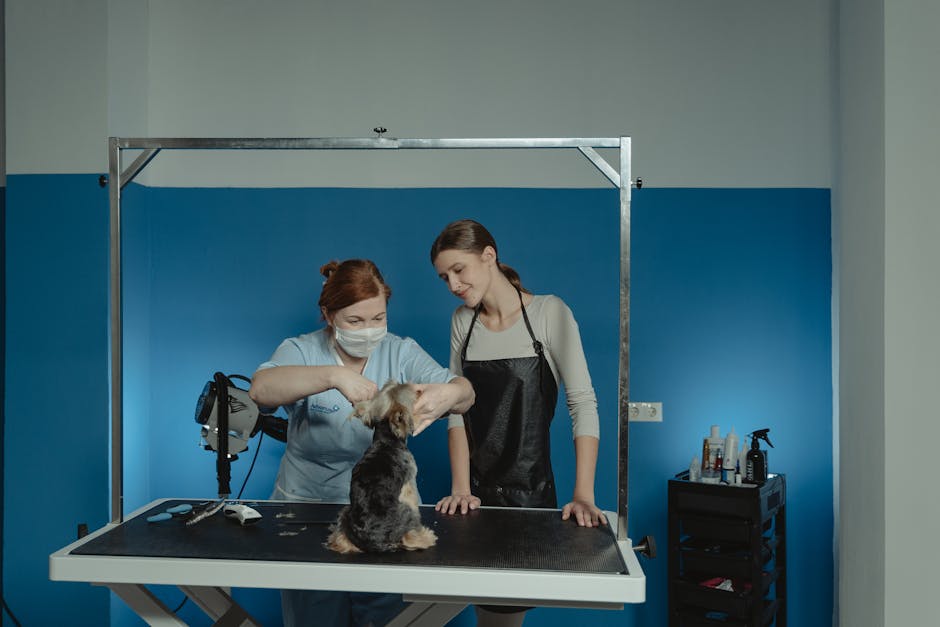
Grooming is essential for the Norwegian Forest Cat’s magnificent coat. Their thick double coat can mat if neglected. Use a steel comb and a slicker brush to remove loose hair and prevent tangles. Grooming schedule:
- Brush at least twice a week, daily during spring and fall shedding
- Bathe only when necessary (every few months) to avoid stripping natural oils
- Trim nails every 2-3 weeks and clean ears weekly
Furthermore, their coat is naturally water-repellent, so avoid overbathing. Pay special attention to the armpits, under the tail, and behind the ears where mats form easily. Regular grooming also helps you bond with your cat and spot any skin issues early.
Is the Norwegian Forest Cat the Right Breed for You?
Owning a Norwegian Forest Cat is a joy for those who appreciate a gentle giant with a touch of wildness. They are ideal for families, singles, or seniors who can provide attention and enrichment. However, they do require regular grooming and space to climb. If you have allergies, note that they still produce dander. Overall, this breed is loyal, affectionate, and relatively low-maintenance in terms of personality. If you’re prepared for a fluffy, loving friend that stands by your side, the Norwegian Forest Cat could be your perfect match. Final thought: This breed combines beauty and brains, making them a wonderful addition to any home.