
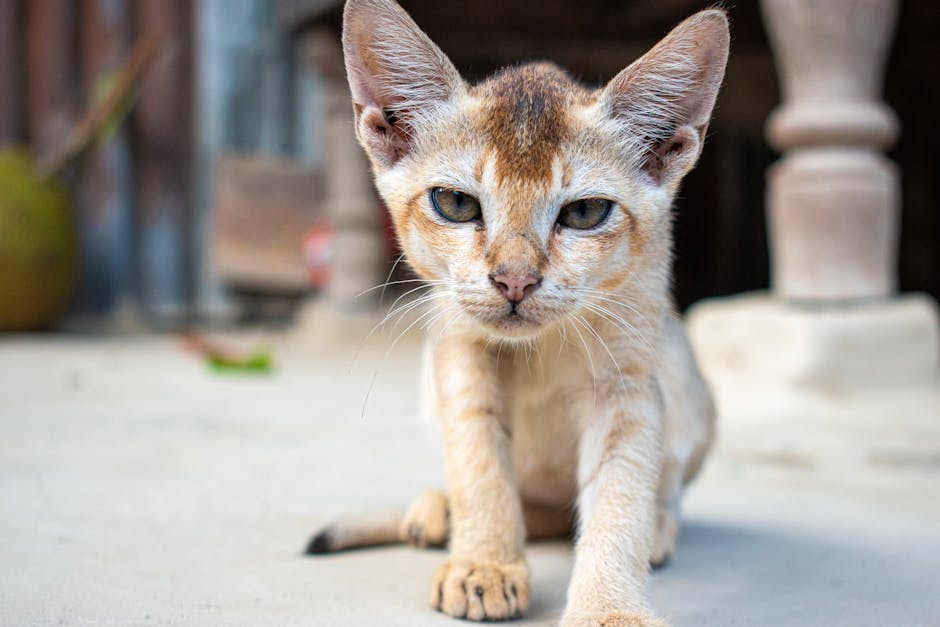
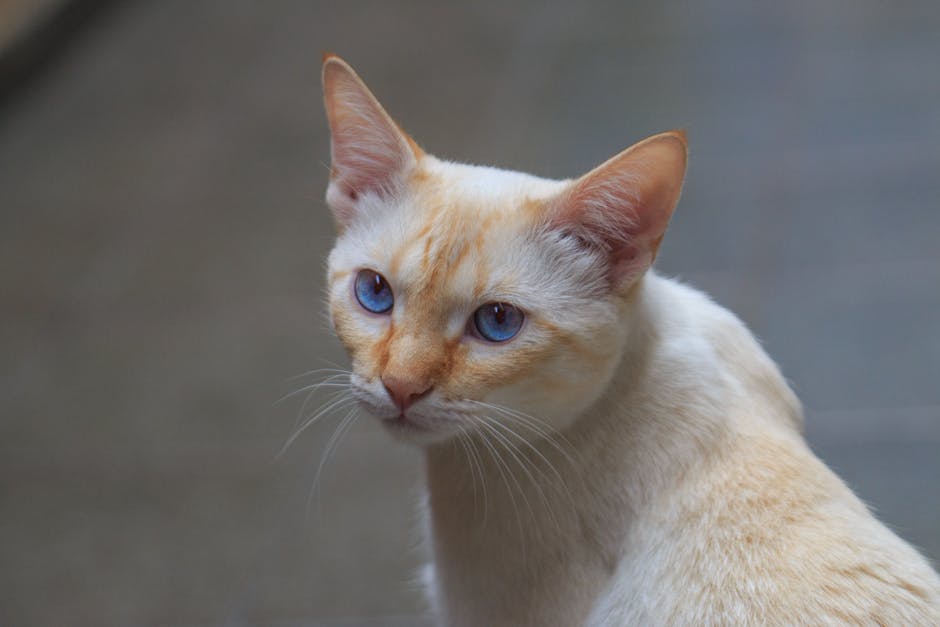
What makes the Burmese cat breed so social and people-oriented?
The Burmese cat breed is renowned for its exceptional sociability and deep attachment to humans. Originating from Southeast Asia, these cats have been selectively bred for their affectionate, extroverted nature. Unlike many aloof feline counterparts, Burmese cats thrive on constant interaction and are often described as 'dog-like' in their loyalty. They follow their owners from room to room, greet visitors enthusiastically, and even enjoy playing fetch. Their intelligence and curiosity make them highly trainable, and they adapt well to households with children or other pets. However, their need for companionship means they can suffer from separation anxiety if left alone for long periods.
Why are Burmese cats so people-oriented?
Burmese cats bond intensely with their human family. This trait stems from their breed history as companions in royal courts and temples in Burma and Thailand. They are not content to be solitary; they want to be involved in every activity. Their vocal, melodic meows are used to communicate wants and needs, further strengthening their bond with owners. Additionally, they are known to purr loudly when content, offering soothing comfort.
- Extremely affectionate and love to cuddle
- Follow owners everywhere, even into the bathroom
- Often greet guests like old friends
- Enjoy interactive play and puzzle toys
Furthermore, this breed is one of the most user-friendly for first-time cat owners due to their forgiving and patient temperament. However, potential owners should be prepared for a cat that demands attention and will become distressed if ignored.
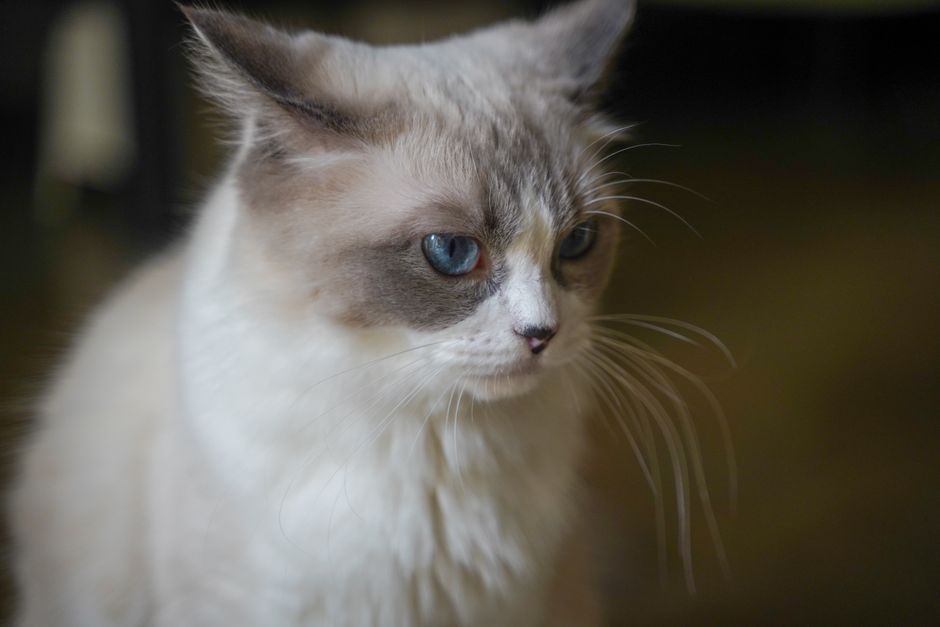
How does the Burmese cat's temperament affect daily life?
The Burmese cat's temperament profoundly influences daily routines. Since they are so people-oriented, they expect to be included in all family activities. For instance, they will sit on your lap while you work, supervise cooking from the countertop (with safety precautions), and curl up on your chest at bedtime. Their playful energy requires daily interactive play sessions, about 15-20 minutes twice a day, using wand toys or fetch games. Without sufficient stimulation, they may develop destructive behaviors like scratching furniture or excessive meowing.
Tips for living with a Burmese cat
- Provide vertical spaces like cat trees or shelves for climbing and observation
- Rotate toys weekly to maintain interest
- Consider adopting a second cat to keep them company if you work long hours
- Use positive reinforcement training to teach tricks like 'sit' or 'high five'
Additionally, their social nature makes them excellent emotional support animals. They seem to sense when their owner is upset and will offer comfort. However, their need for attention means they are not suitable for people who travel frequently or are away from home for most of the day.
What are the grooming needs of a Burmese cat?
Burmese cats have short, fine, and glossy coats that require minimal grooming. Unlike long-haired breeds, they do not mat or tangle easily. However, regular brushing once a week with a soft bristle brush will remove loose hair and distribute natural oils, keeping the coat shiny. During seasonal shedding peaks in spring and fall, increase brushing to two to three times per week. They also benefit from occasional baths (every 6-8 weeks) to keep their skin healthy and reduce allergens. Additionally, nail trimming every two weeks and weekly ear checks are essential. Dental hygiene should not be overlooked; brushing their teeth several times a week with a pet-safe toothpaste prevents periodontal disease.
Quick grooming checklist
- Brush coat weekly (more during shedding season)
- Trim nails every 2 weeks
- Check ears for redness or debris; clean with vet-recommended solution
- Brush teeth 2-3 times per week
- Bathe only when necessary (e.g., if they get into something sticky)
Nevertheless, over-bathing can strip natural oils, so stick to a gentle schedule. Their low-maintenance grooming makes them an excellent choice for busy owners who still want a pristine-looking cat.
What health issues are common in Burmese cats?
While generally a robust breed, Burmese cats are predisposed to certain health conditions. Responsible breeders screen for these issues. Common health concerns:
- Burmese Head Defect – A congenital malformation of the skull that can lead to breathing difficulties. Reputable breeders avoid breeding cats that produce this defect.
- Hypokalaemia – A genetic condition causing low potassium levels, leading to muscle weakness and head tremors. Manageable with supplements and a balanced diet.
- Diabetes – Obese Burmese cats are at higher risk. Maintaining a healthy weight is crucial.
- Feline Orofacial Pain Syndrome (FOPS) – Oral discomfort causing excessive chewing or pawing at the mouth. Can be triggered by dental disease or stress.
Regular veterinary check-ups, a high-quality diet, and exercise mitigate many risks. Additionally, pet insurance is highly recommended for Burmese cats to cover potential genetic conditions. With proper care, they can live 15-18 years or more.
How to train a Burmese cat effectively?
Burmese cats are exceptionally intelligent and trainable. They respond best to positive reinforcement techniques using treats, praise, or play. Avoid punishment as it can damage their trusting nature. To start, use clicker training to shape desired behaviors. For example, to teach 'sit', hold a treat above their nose and move it back; as their bottom lowers, click and reward. Keep sessions short (5-10 minutes) to maintain interest. They can learn tricks like 'roll over', 'fetch', and even walking on a leash.
Training tips for a Burmese cat
- Use high-value treats like freeze-dried chicken or tuna.
- Be consistent with commands and cues.
- Train in a quiet environment with no distractions.
- End each session on a positive note to keep them eager for next time.
- Incorporate training into daily playtime for mental stimulation.
Furthermore, litter box training is usually straightforward as Burmese cats are instinctively clean. Provide a large, uncovered box with unscented litter and clean it daily. Their sociability also means they may enjoy agility training; consider setting up a small obstacle course. Remember to work within their energy levels and never force a session.
What is the ideal diet for a Burmese cat?
Burmese cats require a balanced, high-protein diet to support their muscular build and active lifestyle. Wet food is preferable due to its high moisture content, which promotes urinary tract health. Choose commercial foods with a named animal protein (chicken, turkey, fish) as the first ingredient. Avoid fillers like corn, wheat, and soy. Since Burmese cats are prone to obesity, measure portions and limit treats to 10% of daily calories. Feed two to three small meals per day rather than free-feeding. Include omega-3 and omega-6 fatty acids from fish oil or flaxseed for a healthy coat.
Dietary guidelines
- Protein: minimum 30% dry matter
- Fat: 15-20% dry matter
- Moisture: 75-80% for wet food
- Low carbohydrates: aim for less than 10% of calories
Additionally, fresh water should always be available. A cat water fountain encourages drinking. If you choose to feed dry food, supplement with wet food to prevent dehydration. Consult your veterinarian for specific recommendations based on your cat's age, weight, and health status. For kittens, use a growth formula until 12 months of age.
Are Burmese cats good with children and other pets?
Yes, Burmese cats are excellent with children and other pets, making them a ideal family cat. Their tolerant, playful nature allows them to engage with gentle kids who respect animals. They enjoy games like fetch or chase and will even tolerate being dressed up (to a degree). However, supervision is needed with very young children to prevent rough handling. For other pets, Burmese cats usually get along well with friendly dogs and other cats, especially if introduced gradually. They are not territorial or aggressive; instead, they seek companionship and will often cuddle with the family dog.
Introducing a Burmese cat to existing pets
- Start with scent swapping using blankets or toys.
- Use a baby gate to allow visual contact without physical access.
- Feed both pets on opposite sides of the gate to create positive associations.
- Gradually increase supervised interactions, watching for signs of fear or aggression.
- Reward calm and friendly behavior with treats.
Furthermore, because Burmese cats are so social, they actively seek out playmates, so having another pet can prevent loneliness. However, if you have a very senior or timid pet, consider the Burmese's high energy—they may overwhelm a reserved animal. Proper introductions and ensuring each pet has their own space are key to harmony.
How much does a Burmese cat cost and what about pet insurance?
Purchasing a Burmese kitten from a reputable breeder typically costs between $600 and $1,200, depending on lineage and location. Show-quality cats with champion bloodlines can exceed $2,000. Adopting from a rescue is less expensive, around $100-$200. However, the lifetime cost of owning a Burmese cat includes food, litter, vet visits, grooming supplies, and toys – easily $800-$1,200 per year. Unexpected medical expenses from genetic conditions can run into thousands, making pet insurance a wise investment.
Recommended pet insurance for Burmese cats
- Embrace – covers hereditary conditions like hypokalaemia
- Trupanion – offers 90% reimbursement with no payout limits
- Healthy Paws – good for comprehensive accident and illness coverage
- ASPCA – affordable plans with optional wellness add-ons
When choosing insurance, look for coverage for congenital and hereditary conditions, which are common in purebred cats. Additionally, consider a wellness plan for routine care. Most plans cost $20-$40 per month. Insuring your Burmese cat from a young age ensures any pre-existing conditions are not excluded later. Despite the initial cost, insurance provides peace of mind and can save thousands in emergency care.
Conclusion
The Burmese cat breed is an exceptional companion for those seeking a social, people-oriented feline friend. Their affectionate nature, intelligence, and adaptability make them a joy to live with, but their need for constant interaction requires committed owners. From minimal grooming to trainability, these cats offer a rewarding experience. By understanding their health risks, providing a balanced diet, ensuring proper socialization, and investing in pet insurance, you can provide a long, happy life for your Burmese cat. Whether you are a first-time owner or a seasoned enthusiast, the Burmese cat will fill your home with love and purrs.