
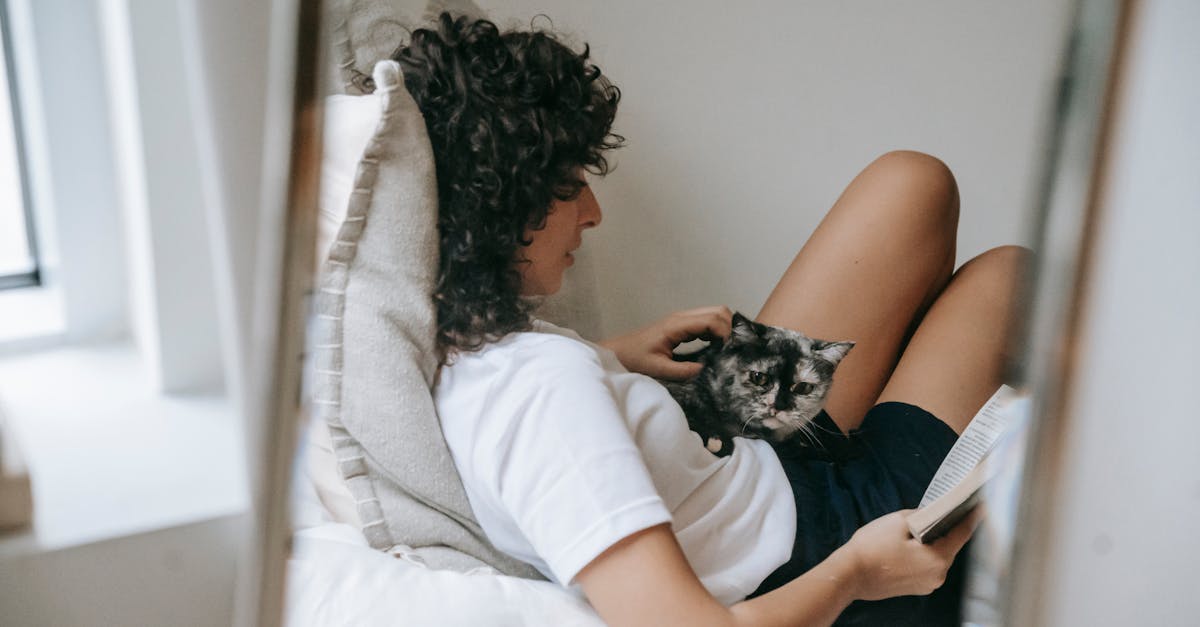
Your first cat shapes your entire relationship with the feline species. Choose a high-maintenance diva and you might think all cats are demanding. Choose an easy-going, healthy, forgiving breed and you will fall in love with cats forever. Here are the 10 best breeds for the cat-curious beginner.
Table of Contents
- What First-Time Owners Need
- Top 10 First-Time Owner Breeds
- 1. British Shorthair -- The Easiest Breed Overall
- 2. Ragdoll -- The Gentle Introduction
- 3. American Shorthair -- The Healthy Classic
- 4. Maine Coon -- The Dog-Person Converter
- 5. Russian Blue -- The Quiet Companion
- 6. Exotic Shorthair -- The Low-Maintenance Persian
- 7. Scottish Fold -- The Adaptable Sweetie
- 8. Birman -- The Family-Friendly Starter
- 9. Tonkinese -- The Social Butterfly
- 10. Burmese -- The Interactive Companion
- Breeds to Avoid as a First Cat
- Frequently Asked Questions
- Should my first cat be a kitten or an adult?
What First-Time Owners Need
- Low grooming demands: You are still learning routines
- Healthy genetics: Fewer surprise vet visits
- Forgiving temperament: Patient with beginner mistakes (wrong food, missed signals)
- Moderate energy: Not overwhelming, not boring
- Social but independent: Bonds without being demanding
Top 10 First-Time Owner Breeds
1. British Shorthair -- The Easiest Breed Overall
- Low grooming, calm temperament, healthy, independent but affectionate
- Forgives beginner mistakes, adapts to your schedule
2. Ragdoll -- The Gentle Introduction
- Gentle, patient, easy-going. Makes cat ownership feel effortless.
- Moderate grooming (semi-long coat), but personality makes up for it
3. American Shorthair -- The Healthy Classic
- One of the healthiest breeds, longest-lived, easiest to care for
- Moderate everything -- the perfect starter cat
4. Maine Coon -- The Dog-Person Converter
- If you are a "dog person" trying cats, the Maine Coon bridges the gap
- Dog-like personality, interactive, social. Moderate grooming.
5. Russian Blue -- The Quiet Companion
- Quiet, gentle, low-maintenance. Perfect for introverts.
- Bonds deeply without demanding constant attention
6. Exotic Shorthair -- The Low-Maintenance Persian
- Persian sweetness, short coat. Weekly brushing only.
- Calm, undemanding, perfect for apartment dwellers
7. Scottish Fold -- The Adaptable Sweetie
- Sweet, calm, adapts to new owners' learning curve
- Note: research health considerations before committing
8. Birman -- The Family-Friendly Starter
- Gentle, social, manageable coat, good with children
- Not too active, not too lazy -- balanced introduction to cat life
9. Tonkinese -- The Social Butterfly
- Best of Siamese and Burmese without the extremes
- Social, trainable, moderate in all respects
10. Burmese -- The Interactive Companion
- If you want a cat that acts like a puppy -- Burmese delivers
- Very people-oriented, minimal grooming, healthy
Breeds to Avoid as a First Cat
| Breed | Why Not for Beginners |
|---|---|
| Bengal | Extremely high energy, destructive if mismanaged |
| Siamese | Demanding, vocal, separation anxiety -- overwhelming for beginners |
| Persian | Daily grooming commitment can burn out new owners |
| Sphynx | Extensive skin care, temperature management, weekly bathing |
| Savannah | Wild heritage, extreme energy, legal complications |
Frequently Asked Questions
Should my first cat be a kitten or an adult?
Adult cat (1-3 years). Kittens are adorable but demanding -- they need constant supervision, frequent feeding, socialization, and training. Adult cats have established personalities (no surprises), are litter-trained, and are calmer. Shelters are full of wonderful adult cats who make the perfect low-stress first cat. Save the kitten experience for when you are more experienced.