
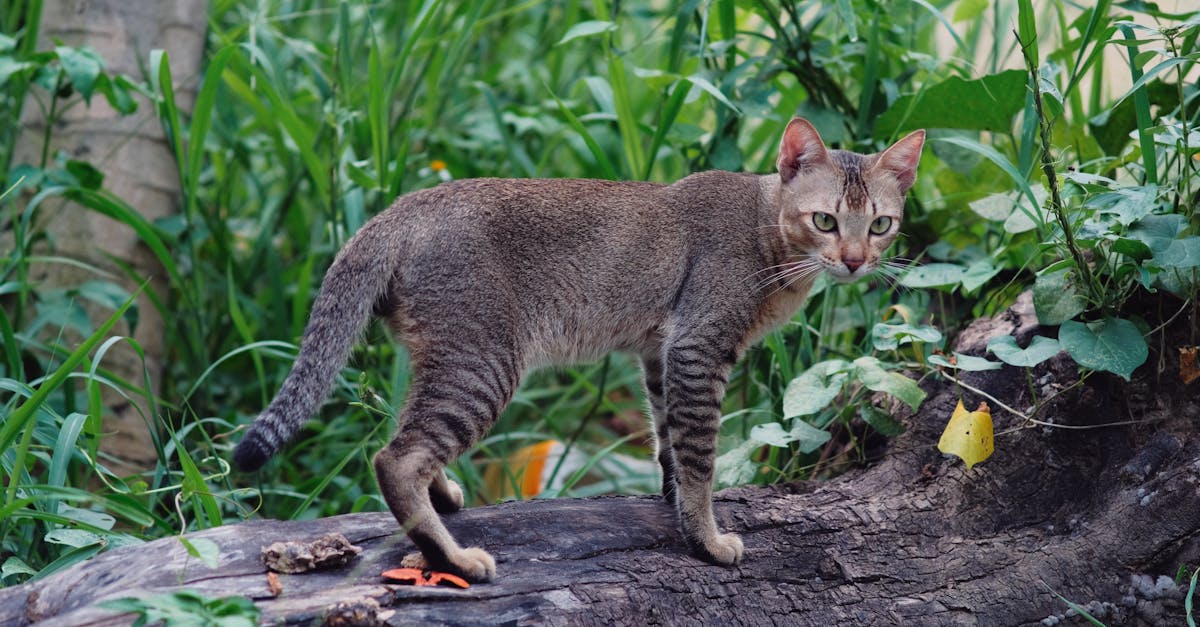
The Ocicat looks like a miniature ocelot prowling through your house -- large, muscular, covered in spots -- but has zero wild blood. This is a fully domestic breed created by crossing Abyssinians, Siamese, and American Shorthairs. The result is a wild appearance with an utterly domestic, dog-like, people-obsessed personality.
Breed Overview
| Trait | Details |
|---|---|
| Origin | USA, 1964 (accidental Abyssinian x Siamese cross) |
| Weight | 6-15 lbs (2.7-6.8 kg) |
| Lifespan | 12-18 years |
| Coat | Short, smooth, spotted -- 12 recognized colors |
| Distinctive Feature | Large thumbprint-shaped spots |
| Activity Level | High -- athletic, playful, social |
No Wild Blood
Unlike Bengals (Asian Leopard Cat hybrid) or Savannahs (Serval hybrid), Ocicats are 100% domestic. The spotted pattern was an unexpected result of Abyssinian x Siamese breeding. This means:
- No legal restrictions anywhere
- No wild temperament challenges
- Fully domestic, fully social personality
- Wild look without wild behavior
Personality
- Dog-like devotion: Follow you everywhere, come when called, play fetch
- Social butterflies: Love all people, guests, other pets
- Trainable: One of the most trainable cat breeds -- learns tricks, walks on leash
- Vocal: Chatty but not as extreme as Siamese
- Athletic: Excellent jumpers and climbers
- Cannot be alone: Need companionship -- another pet or present human
- Travel-friendly: Adapt well to car rides and new environments
Spotted Coat Colors
- Tawny: Black spots on ruddy-brown background (classic wild look)
- Chocolate: Chocolate spots on warm ivory
- Cinnamon: Cinnamon spots on warm ivory
- Blue: Blue spots on pale background
- Lavender: Lavender spots on pale ivory
- Fawn: Fawn spots on pale ivory
- Plus silver versions of all above colors
Care Requirements
- Grooming: Minimal -- short coat needs only weekly brushing
- Exercise: High -- interactive play, climbing, puzzle toys
- Mental stimulation: Essential -- intelligent breed needs challenges
- Companionship: Do not leave alone for long periods
Health Considerations
- Generally very healthy: Wide gene pool from three parent breeds
- Hypertrophic Cardiomyopathy: Screening recommended
- Renal Amyloidosis: Inherited from Abyssinian lines
- Periodontal disease: Regular dental care important
Frequently Asked Questions
Should I get an Ocicat or a Bengal?
If you want wild looks with a fully domestic, predictable personality -- Ocicat. If you want extreme athleticism and don't mind higher-maintenance behavior -- Bengal. Ocicats are more social, more trainable, and less destructive than Bengals. Bengals are more athletic, more independent, and have a more exotic coat texture (glittered). Both are spotted and beautiful, but Ocicats are generally easier for average households.