
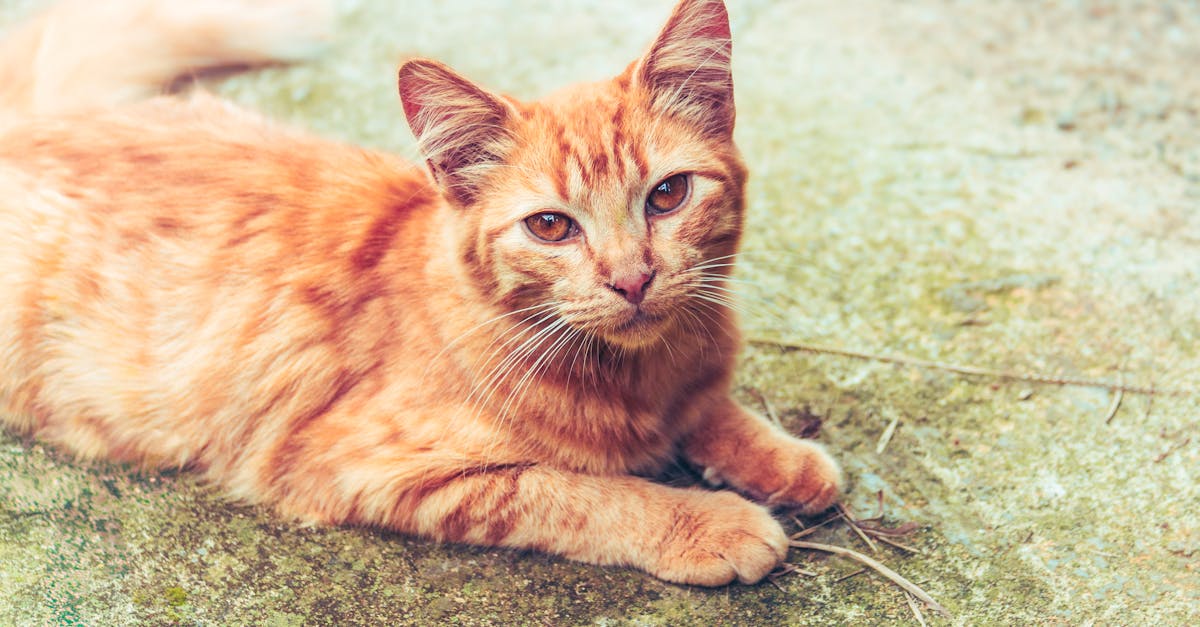
Munchkin cats -- with their distinctive short legs and normal-sized bodies -- are among the most controversial breeds in the cat world. Adorably low-to-the-ground and surprisingly agile, they provoke passionate debate between those who love their unique appearance and those who question the ethics of breeding cats with skeletal abnormalities.
Breed Overview
| Trait | Details |
|---|---|
| Origin | USA, 1983 (natural mutation discovered in Louisiana) |
| Weight | 5-9 lbs (2.3-4.1 kg) |
| Lifespan | 12-15 years |
| Coat | Short or long, all colors and patterns |
| Distinctive Feature | Short legs (3 inches shorter than average) |
| Activity Level | Moderate-high -- surprisingly agile |
The Short Legs
- Caused by autosomal dominant gene affecting long bone growth (achondroplasia)
- Legs are approximately 3 inches shorter than standard cats
- Spine is normal length -- only legs are affected
- Three leg lengths: standard (normal), super-short, and rug-hugger (shortest)
- Homozygous (two copies of gene) is lethal -- embryos do not survive
- Munchkin x Munchkin breeding produces approximately 25% non-viable embryos
The Ethical Debate
Arguments Against:
- Deliberately breeding skeletal deformity for aesthetics
- Potential for lordosis (excessive spinal curvature) and pectus excavatum
- Reduced mobility compared to standard cats -- cannot jump as high
- Major registries (CFA, FIFe, GCCF) refuse to recognize the breed
- TICA accepts them but debate continues
Arguments For:
- Natural mutation occurring in cat populations worldwide
- Most Munchkins live normal, healthy, pain-free lives
- Surprisingly agile -- can run, climb, and play actively
- No higher rate of spinal problems than standard cats in some studies
- Personality and quality of life are normal
Personality
- Energetic: Short legs do not slow them down -- they run, play, and zoom
- Friendly: Social, outgoing, good with other pets and children
- "Ferret-like": Low to the ground, fast, curious about everything
- Collectors: Known for hoarding shiny objects under furniture
- Affectionate: Love being near their people
- Playful: Maintain kitten-like energy throughout life
Health Considerations
- Lordosis: Excessive inward spinal curvature (can be severe)
- Pectus excavatum: Sunken chest cavity
- Osteoarthritis: Potential joint issues from altered gait mechanics
- Cannot jump as high: Need ramps or steps to reach elevated surfaces
- Otherwise healthy: No other breed-specific issues reported at higher rates
Frequently Asked Questions
Should I get a Munchkin cat?
This is a personal ethical decision. If you proceed: choose a reputable breeder who health-tests, never breeds Munchkin x Munchkin, provides health guarantees, and is transparent about potential issues. Consider that many rescue organizations and veterinarians discourage breeding cats with intentional skeletal modifications. If you love short-legged cats, adoption of a Munchkin from rescue is often considered the more ethical route than supporting breeding programs.