
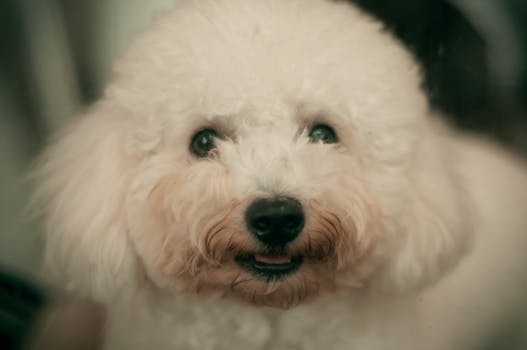
Few things are as striking as a gleaming white dog coat—but keeping it bright and stain-free can feel like a battle against mud, grass, tear stains, and everyday grime. Whether you own a Bichon Frise, Maltese, West Highland White Terrier, or Samoyed, maintaining that pristine look requires a strategic grooming routine. In this comprehensive guide, you’ll discover expert tips to keep white dog coats dazzling without damaging their sensitive skin or fur.
Why White Coats Get Dirty So Quickly
White fur reflects light, which makes every speck of dirt, pollen, or saliva immediately visible. Additionally, the texture of many white breeds—often soft, silky, or double-coated—tends to trap debris and oils more easily than darker coats. Dogs produce natural skin oils that can oxidize over time, turning white fur yellow, especially around the muzzle, paws, and belly. Environmental factors like red clay, grass stains, and even certain foods can leave stubborn marks. Understanding these causes is the first step toward proactive care.
Furthermore, white dogs are prone to tear staining, which results from porphyrins—iron-containing molecules in tears—that turn reddish-brown when exposed to air. This is not just a cosmetic issue; it can signal blocked tear ducts or allergies. Therefore, a successful whitening regimen addresses both external cleaning and internal health.
The Science of Stain Removal
Stains on white coats typically fall into three categories: organic (mud, grass, feces), protein-based (saliva, tears, urine), and environmental (pollen, rust from water). Each requires a different approach. For example, enzymatic cleaners work best on protein stains, while mild oxidizing agents like hydrogen peroxide (diluted) can tackle yellowing. However, always patch-test any product on a small area first to avoid irritation.
Daily Maintenance for a Pristine White Coat
Consistency beats intensity when it comes to keeping white fur bright. A few minutes each day can prevent stains from setting in and reduce the need for heavy-duty washing.
Brushing and Combing
Brush your dog’s coat every day using a slicker brush or a soft bristle brush, depending on coat length. This removes loose dirt, distributes natural oils, and prevents mats—which trap moisture and cause yellowing. For double-coated breeds like the Samoyed, use an undercoat rake to remove dead fur that can dull whiteness. Always brush in the direction of hair growth to minimize breakage.
Spot Cleaning Between Baths
Keep a pet-safe grooming wipe or a microfiber cloth dampened with plain water handy. After walks, gently wipe paws, legs, and the belly to remove mud or road salt. For facial stains, use a dedicated tear-stain remover (avoid human products) and follow with a dry cotton pad. Never let moisture linger—always dry the area thoroughly to prevent bacterial growth.
Protective Gear
Consider using a pet-friendly raincoat or booties during muddy walks. A bib or bandana can catch drool in breeds prone to excessive slobber. These simple barriers dramatically reduce the accumulation of stains.
Bathing Best Practices for White Dogs
Bathing a white dog is both an art and a science. Over-bathing strips natural oils, leading to dry, brittle fur that looks dull. Under-bathing allows stains to set. Aim for a bath every 2–4 weeks, or as needed if your dog rolls in something foul.
Choosing the Right Shampoo
Select a whitening shampoo specifically formulated for dogs. Look for ingredients like colloidal oatmeal (soothing), blue or violet pigments (color-correcting), and enzymes (break down stains). Avoid human shampoos, especially those with perfumes or brighteners—they can irritate canine skin and cause allergic reactions. Ideally, the shampoo should have a pH balanced for dogs (around 6.5–7.5).
Alternatively, you can use a gentle, soap-free shampoo and add a stain-fighting booster, such as a dab of baking soda or a few drops of lemon juice (only for light-colored dogs, and rinse thoroughly). However, consult your vet before using home remedies.
Bath Technique
- Brush your dog thoroughly before the bath to remove loose hair and mats.
- Wet the coat completely with lukewarm water. Avoid hot water—it can dry out skin.
- Apply shampoo from the neck downward, massaging into the coat for at least 3 minutes. Let it sit for 5 minutes if the product directs it.
- Rinse until water runs clear—residue causes yellowing and itching.
- Follow with a conditioner for white coats to add shine and detangling.
After rinsing, wrap your dog in a towel and blot (don’t rub) to remove excess moisture. Rubbing can tangle fur and cause breakage. Use a blow dryer on a low, cool setting while brushing—this fluffs the coat and helps whiteness pop.
Targeted Stain Removal Techniques
For persistent stains that survive a routine bath, try these specialized methods. Always test on a hidden patch first.
Tear Stains
- Gently clean the area daily with a warm, damp cloth or a vet-recommended tear stain wipe.
- Apply a powder or paste made from cornstarch and a tiny bit of hydrogen peroxide (3%) to the stained fur. Let it dry, then brush out.
- If stains persist, consult your veterinarian—it may require dietary changes (e.g., removing poultry or yeast), adding a probiotic, or even a short course of antibiotics.
Grass and Mud Stains
Create a paste of baking soda and water. Apply it to the stained area and let it sit for 10 minutes. Rinse thoroughly. For tough grass stains, use a small amount of white vinegar diluted with water (1:3 ratio)—avoid the eyes. Vinegar helps break down chlorophyll and neutralizes odors.
Yellowing from Saliva or Urine
Enzymatic pet stain removers (the same ones used for carpets) can be used on fur. Apply with a cotton ball and let it sit for the recommended time, then rinse. Alternatively, a diluted chamomile tea rinse can lighten yellow fur naturally—cool the tea first and pour over the affected areas, then rinse.
Diet and Health: The Inside-Out Approach
What your dog eats directly impacts coat color. Dogs fed a balanced, high-quality diet produce less porphyrin and have healthier oils that keep fur bright. Include omega-3 fatty acids (from fish oil or flaxseed) to reduce inflammation and enhance shine. Avoid artificial colors, fillers, and excessive red meats—these can exacerbate staining.
Additionally, ensure your dog has access to fresh, filtered water. Hard water with high iron content can cause rust-colored stains on white fur. A pet water fountain with a filter can help.
Regular veterinary check-ups are crucial. Eye infections, ear infections, or dental disease can lead to increased tearing or salivation, creating a cycle of staining. Treating the underlying health issue often resolves the cosmetic problem.
Tools and Products Every White Dog Owner Needs
To stay ahead of stains, stock your grooming kit with these essentials:
- Slicker brush and a fine-toothed comb
- Pet-safe whitening shampoo and conditioner
- Enzymatic tear-stain remover wipes
- Microfiber towels (quick-drying, non-abrasive)
- Baking soda (for paste and dry shampoo)
- Blow dryer with cool setting
Invest in a quality grooming table or a non-slip mat for bath time. Also, consider using a UV-protectant spray for dogs that spend a lot of time outdoors—sunlight can dull white fur over time.
Common Mistakes to Avoid
Even with the best intentions, owners sometimes make errors that worsen white coat care. Avoid these pitfalls:
- Using human whitening products: Bleach, hydrogen peroxide in high concentrations, or whitening toothpaste can burn skin or cause chemical burns.
- Over-bathing: Strips natural oils, leading to dry, dandruffy, and dull coats. Stick to the 2–4 week schedule.
- Ignoring underlying health issues: Constant tear stains or yellowing around the mouth may indicate allergies, infections, or dental problems. Address these with your vet.
- Rough drying: Vigorous towel rubbing tangles fur and breaks hair shafts. Pat dry and use a low-heat blow dryer.
- Skipping regular professional grooming: A groomer can trim stained ends, use professional-grade whiteners, and spot early signs of skin issues.
Conclusion
A bright, stain-free white dog coat is absolutely achievable with the right combination of daily diligence, proper bathing techniques, targeted stain removal, and attention to diet and health. Start implementing these actionable tips today, and you’ll notice a dramatic improvement in your dog’s appearance and comfort. Remember, the goal isn’t just beauty—it’s a sign of a happy, healthy pup. For more grooming guides and product recommendations, explore our complete pet care library. Your white dog will thank you with wagging tail and a dazzling coat.