
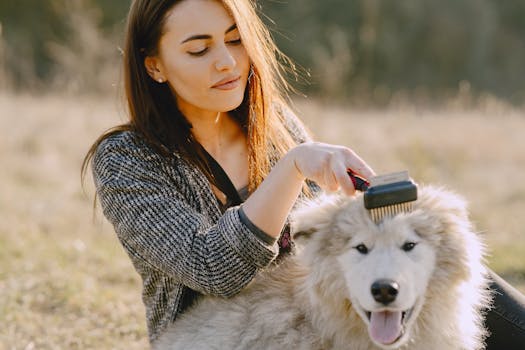
Caring for a giant companion comes with unique responsibilities, especially when it comes to maintaining their coat, nails, and overall hygiene. If you own a Great Dane, Irish Wolfhound, or Mastiff, understanding the right grooming tips for large breed dogs is essential to keep them healthy and comfortable. Because of their size, these dogs require specialized tools, techniques, and a consistent schedule to avoid mats, skin infections, and joint strain. Let’s dive into a step-by-step approach that makes grooming a positive experience for both you and your gentle giant.
Brushing and Coat Care for Large Breeds
Large breed dogs often have short, dense coats, but they still shed year-round and require regular brushing. For Great Danes, a weekly session with a rubber curry brush or a soft-bristle brush removes loose hair, distributes natural oils, and stimulates circulation. However, during spring and fall, shedding increases, so you may need to brush every two to three days.
Choosing the Right Brush
Not all brushes work well on large, short-coated dogs. Avoid wire slicker brushes that can scratch the skin. Instead, opt for:
- A rubber grooming mitt or curry brush – great for lifting loose hair and massaging the skin.
- A soft-bristle brush – ideal for finishing and adding shine.
- An undercoat rake (if your breed has a double coat, like a Bernese Mountain Dog) – this reaches the dense under layer.
Start brushing from the neck and move toward the tail, always following the direction of hair growth. Pay extra attention to the rear legs and chest where mats can form. Additionally, use a grooming spray or a light mist of water to reduce static and make the process gentler.
Bathing and Drying Techniques
Bathing a large dog like a Great Dane can be physically demanding, so preparation is key. Aim to bathe your dog every six to eight weeks, or when they become visibly dirty or smelly. Over-bathing strips the skin of essential oils and can lead to dryness and itching.
Before you begin, gather everything you need: a mild dog shampoo (preferably oatmeal-based for sensitive skin), a non-slip mat for the tub or shower floor, a handheld sprayer, and plenty of towels or a high-velocity dryer. If your dog is afraid of water, desensitize them slowly with positive reinforcement and treats.
Step-by-Step Bathing Guide
- Brush your dog thoroughly before the bath to remove loose hair and tangles.
- Use lukewarm water – hot water can burn their skin or cause discomfort.
- Wet the coat completely from the back down, avoiding the eyes and ears.
- Apply shampoo from neck to tail, lather gently, and rinse thoroughly. Residue can cause irritation.
- Apply conditioner if needed (especially for breeds with longer fur), then rinse well.
Drying is just as important. Large breeds stay damp in crevices like armpits, groin, and under the chin, which can lead to fungal infections. Use a high-velocity dryer on a low, cool setting to blow out excess water, then finish with a microfiber towel. Never let your dog air-dry completely, as moisture trapped against the skin can cause hot spots.
Nail Trimming for Safety and Comfort
Overgrown nails are more than a cosmetic issue for large breed dogs. They can alter the dog’s gait, cause joint pain, and even lead to splayed feet. Great Danes, in particular, have thick, dark nails that make it tricky to see the quick (the blood vessel inside). Therefore, nail maintenance should be done every three to four weeks.
Use a sturdy, heavy-duty nail clipper designed for large dogs, or a rotary grinding tool like a Dremel. Guillotine clippers often crush the nail, so scissor-type or plier-style clippers are safer. If you are nervous, start by trimming just the tip and use a nail file. Have styptic powder or cornstarch on hand in case you cut the quick.
Furthermore, get your dog comfortable with paw handling from a young age. Touch their paws daily, reward them, and gradually introduce the clipper sound. For anxious dogs, consider a professional groomer or veterinarian for nail trims.
Ear and Eye Care Essentials
Large breed dogs with floppy ears, such as Great Danes, are prone to ear infections because air circulation is reduced. Check your dog’s ears weekly for redness, odor, or discharge. Use a vet-recommended ear cleaner on a cotton ball – never insert cotton swabs into the ear canal, as this can push debris deeper or damage the eardrum.
Wipe the outer ear flap and the visible part of the canal gently. If your dog shakes their head frequently or scratches at their ears, schedule a veterinary exam. Additionally, keep the hair around the ear opening trimmed to improve airflow.
For eyes, large breeds often have droopy eyelids that collect tear stains and debris. Use a soft, damp cloth to gently wipe away any gunk. Check for excessive tearing, redness, or cloudiness. If you notice any changes, consult your vet, as large dogs are susceptible to conditions like entropion (eyelid rolling inward) and cherry eye.
Dental Hygiene for Giant Dogs
Dental health is often overlooked in large breeds, but it directly impacts overall well-being. Plaque and tartar buildup can lead to periodontal disease, which has been linked to heart, kidney, and liver problems. Brush your Great Dane’s teeth at least two to three times a week using a dog-specific toothbrush and enzymatic toothpaste.
Start slowly – let your dog taste the toothpaste, then lift the lip and brush the outer surfaces of the teeth in small circles. Focus on the back molars where tartar builds up quickly. Additionally, provide dental chews and toys that promote chewing action and reduce plaque. Avoid bones or hard nylon chews that can crack teeth.
Schedule a professional dental cleaning with your veterinarian once a year. Signs of dental trouble include bad breath, yellow-brown teeth, drooling, or difficulty eating. Address these early to avoid painful extractions.
Professional Grooming: When and Why
Even if you handle the basics at home, professional grooming sessions offer benefits you can’t always achieve yourself. For large breed dogs, a professional groomer has the equipment and experience to bathe, blow-dry, and trim nails safely. They can also express anal glands, which is a task best left to experts. Consider booking a full grooming appointment every two to three months.
However, if your dog is anxious or has mobility issues, seek a groomer who specializes in large breeds and uses gentle handling techniques. Some groomers offer mobile services, which can reduce stress for dogs who dislike car rides. Furthermore, always verify that the grooming facility is clean and that tools are sanitized between clients to prevent the spread of infections.
Finally, use grooming sessions as an opportunity to check your dog’s skin for lumps, bumps, or parasites. Early detection of issues like skin tumors or flea infestations can make treatment more effective.
Conclusion
Grooming a large breed dog like a Great Dane doesn’t have to be overwhelming. With the right tools, a consistent schedule, and a patient approach, you can keep your gentle giant looking and feeling their best. Remember that grooming is also a bonding time – talk to your dog, offer treats, and make it a positive experience. By following these grooming tips for large breed dogs, you’ll not only maintain a beautiful coat and healthy nails but also support your dog’s long-term health. Start with one new habit this week, and enjoy the rewards of a well-groomed, happy companion.