
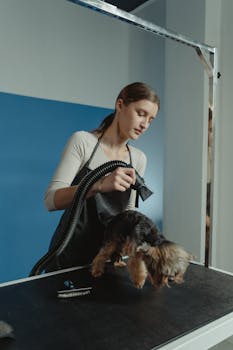
Grooming a small dog can feel like wrestling a wriggling, fur-covered tornado—except this tornado has sharp little teeth and a knack for hiding tangles. If you’ve ever battled mats under armpits or struggled to trim nails on a wiggly pup, you’re not alone. Small dog grooming challenges are real, but they don’t have to be overwhelming. With the right techniques, tools, and a little patience, you can turn grooming into a positive experience for both you and your pint-sized companion. This comprehensive guide walks you through the most common obstacles and offers practical, actionable solutions to keep your small dog looking and feeling great.
Understanding Common Small Dog Grooming Challenges
Small breeds often come with unique grooming needs that larger dogs simply don’t have. Their delicate bones, sensitive skin, and tendency toward anxiety can turn a routine session into a struggle. Furthermore, many small dogs have double coats or continuously growing hair, which requires more frequent maintenance. Recognizing these challenges is the first step toward overcoming them.
Matting and Tangles
Small dogs with long or fluffy coats—like Shih Tzus, Maltese, and Yorkies—are prone to matting, especially in high-friction areas such as behind the ears, under the legs, and around the collar. Mats can pull on the skin, causing pain and even leading to infections if left untreated. Additionally, small dogs are often carried, which can rub their fur against clothing and create tangles faster.
Grooming Anxiety and Fear
Many small dogs become anxious during grooming because they feel vulnerable. The noises of clippers, the sensation of being restrained, or past negative experiences can trigger fear. This anxiety often leads to fidgeting, snapping, or complete refusal to cooperate.
Sensitive Skin and Allergies
Small breeds frequently have thinner, more sensitive skin than larger dogs. They are also more prone to allergies, which can cause redness, itchiness, and flaking. Using harsh shampoos or overly vigorous brushing can exacerbate these issues.
Nail Trimming Difficulties
Tiny nails and dark quicks make trimming a delicate task. One wrong cut can cause bleeding and pain, making your dog dread future sessions. Moreover, small dogs often have “dewdrops,” or extra nails, that owners forget about.
Solutions for Matting and Tangles
Preventing mats is far easier than removing them. However, if you encounter tangles, address them immediately to avoid bigger problems. Here are actionable tips:
- Brush daily: Use a slicker brush or a comb designed for your dog’s coat type. Focus on trouble spots like behind the ears and under the legs.
- Use a detangling spray: Lightly mist the coat before brushing to reduce breakage and make combing easier.
- Work in sections: Part the fur and brush from the skin outward, holding the base of the hair to avoid pulling on the skin.
- For stubborn mats: Apply a mat splitter or carefully cut the mat out using safety scissors. Never use human scissors—they are too blunt and can hurt your dog.
If the mat is close to the skin or too large, it’s safer to shave the area with a clipper fitted with a guard. Seek professional help if you’re unsure.
Managing Anxiety During Grooming
Anxiety can turn grooming into a battle, but desensitization and positive reinforcement work wonders. Follow these steps to create a calm environment:
- Start young: Introduce grooming tools early, letting your dog sniff them and rewarding calm behavior.
- Use high-value treats: Offer small, tasty rewards throughout the session—especially when your dog remains still.
- Keep sessions short: Begin with 5–10 minute sessions and gradually increase duration as your dog becomes more comfortable.
- Create a non-slip surface: Place a rubber mat on your grooming table or countertop so your dog feels secure.
- Muffle loud noises: Use quiet clippers or place cotton balls in your dog’s ears (never insert them) to dampen sound.
Additionally, consider using calming aids such as pheromone sprays or a Thundershirt. If your dog remains extremely fearful, consult a professional groomer who specializes in nervous pets.
Grooming Tools for Small Breeds
Using the right tools can make all the difference. Here are essential items tailored to small dogs:
- Slicker brush: Excellent for removing loose fur and preventing mats in medium to long coats.
- Pin brush: Gentle on sensitive skin, ideal for silky coats like those of Yorkshire Terriers.
- Comb with rotating teeth: Helps detangle without snagging.
- Safety scissors: Rounded tips for trimming around eyes, paws, and sanitary areas.
- Small-sized clippers: Lightweight and quiet; choose a model with adjustable blade lengths for different coat areas.
- Non-slip grooming mat: Keeps your dog stable and reduces anxiety.
Furthermore, invest in a high-quality shampoo formulated for sensitive skin. Look for ingredients like oatmeal, aloe vera, or chamomile. Avoid products with artificial fragrances or harsh sulfates.
Handling Nail Trimming and Ear Cleaning
Nail trimming and ear cleaning are two of the most challenging tasks for small dog owners. Here’s how to approach them safely:
Nail Trimming: Use a small, sharp guillotine-style or scissor-type nail clipper designed for tiny nails. Hold the paw firmly but gently. Trim only the tip, avoiding the quick (the pink area inside the nail). If your dog has dark nails, trim in tiny increments—stop when you see a black dot in the center of the cut surface. Keep styptic powder or a cornstarch-based clotting agent on hand in case of bleeding.
Ear Cleaning: Small dogs with floppy ears—like Cocker Spaniels and Shih Tzus—are prone to ear infections. Clean ears weekly using a vet-recommended ear cleaner. Apply a few drops into the ear canal, massage the base gently, then let your dog shake its head. Wipe away debris with a cotton ball; never use cotton swabs, as they can push wax deeper or damage the eardrum.
Remember, if your dog shows signs of pain, discharge, or a foul odor, consult your veterinarian before grooming.
Professional vs. At-Home Grooming
Deciding between professional and at-home care depends on your dog’s needs, your skills, and your budget. Professional groomers have the experience to handle difficult coats, matting, and anxious dogs. They also have heavy-duty equipment that can reduce grooming time. However, at-home grooming allows you to bond with your pet and control the environment, which can be less stressful for sensitive dogs.
A hybrid approach often works best: schedule professional grooms every 4–6 weeks for full haircuts and nail trims, while maintaining your dog’s coat with daily brushing, occasional baths, and at-home ear and eye care. This routine keeps your small dog comfortable and reduces the chance of severe matting or skin issues.
Conclusion
Small dog grooming challenges are manageable with knowledge, patience, and the right tools. By understanding the specific needs of your breed, addressing anxiety early, and using proper techniques, you can turn grooming into a positive, stress-free routine. Remember to keep sessions short, reward good behavior, and never hesitate to seek professional help when needed. With consistent care, your small dog will not only look fabulous but also feel healthier and happier. Start implementing these solutions today, and watch your grooming struggles transform into bonding moments.