
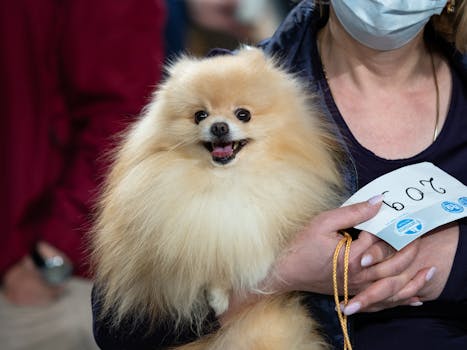
Preparing a show dog for the ring is both an art and a science, requiring meticulous grooming, strategic planning, and a calm demeanor. Whether you're a seasoned handler or a newcomer to the conformation world, mastering show dog grooming preparation and competition tips can make the difference between a top placement and a forgettable performance. In this comprehensive guide, we'll walk you through every step—from pre-show bath routines to last-minute ring strategies—so you can present your canine companion at their absolute best.
Essential Pre-Show Grooming Routine
The foundation of a winning presentation begins weeks before the event. Consistent coat care, nail trimming, and teeth cleaning are non-negotiable. However, the final preparation phase is where champions are made. Start by giving your dog a thorough bath two to three days before the show using a high-quality, breed-appropriate shampoo. This allows natural oils to return, giving the coat a healthy sheen. After bathing, blow-dry the coat completely, brushing in the direction of hair growth to avoid matting or static. For long-coated breeds, consider using a conditioning spray to detangle and add volume. Additionally, trim ear hair, clean ears with a vet-approved solution, and ensure nails are short and filed smooth—long nails can affect gait and posture. A dental check is also crucial: yellow teeth or bad breath can distract judges.
Understanding Breed-Specific Standards
Every breed has a written standard that dictates ideal appearance, movement, and temperament. Familiarize yourself with your dog's specific standard—it's your roadmap for grooming and presentation. For example, a Poodle requires a complex continental clip, while a Labrador Retriever needs a clean, natural look. Study the official breed standard from the American Kennel Club (AKC) or your national kennel club. Key areas to focus on include coat texture, color, pattern, and overall silhouette. Additionally, note any required grooming modifications, such as whisker trimming or ear shaping. Ignoring these details can cost points, even if your dog is structurally sound.
How to Research Your Breed's Standard
Start by reading the official breed standard document. Many clubs provide a summary or a detailed PDF. Watch videos of top-winning dogs in your breed to see how grooming emphasizes strengths and minimizes weaknesses. Discuss with experienced breeders and handlers at local shows—they often share insider tips on specific trims or techniques. Remember, the goal is to enhance your dog's natural attributes, not to disguise flaws.
Final Preparation Steps Before Entering the Ring
The night before and morning of the show are critical. Double-check your grooming kit: include brushes, combs, scissors, clippers, chalk or powder for white coats, a spray bottle, and a towel. Also pack a show lead that matches your dog's coat color and a bait bag with high-value treats (like freeze-dried liver) for stacking and attention.
- Pre-show walk: Take your dog for a short, calm walk to relieve themselves and loosen muscles. Avoid strenuous exercise that can flatten the coat.
- Final coat touch-up: do a last-minute brush-out, remove any loose hairs, and apply a light mist of grooming spray to reduce static. For double-coated breeds, use a slicker brush to fluff the undercoat.
- Check for smudges or dirt: wipe down paws, face, and under the tail with a damp cloth. Use a bit of cornstarch on white fur to brighten it.
- Mental preparation: Practice stacking (standing your dog) in a show pose at home. Use a mirror to ensure feet are placed evenly and the topline is straight. Reward calm behavior.
Furthermore, arrive at the show venue early enough to acclimate your dog to the environment. Let them sniff the ring matting and watch other dogs from a distance. This reduces anxiety and helps them focus.
Grooming in the Show Ring: Tips for Handlers
Once inside the ring, your role shifts from groomer to presenter. Nevertheless, small grooming adjustments can still be made. Keep a comb or brush in your pocket (if allowed) to quickly fix any stray hairs between classes. When the judge inspects your dog, ensure the coat looks uniform and the outline is crisp. Here are actionable tips:
- Maintain eye contact with the judge: but avoid staring; a confident smile shows you're in control.
- Stack your dog quickly: practice a swift, smooth stacking motion. If your dog fidgets, use a soft verbal cue or a tiny treat to reset.
- Watch your dog's topline: a level back is crucial. If your dog dips or hunches, gently lift under the belly or adjust the front legs.
- Gait your dog at a consistent speed: not too fast or slow. The judge needs to see a balanced, efficient movement. Practice trotting in a straight line and in a triangle pattern.
Additionally, be mindful of your own appearance: wear dark, non-distracting clothing that doesn't overshadow your dog. Avoid perfumes or strong scents that might irritate sensitive noses.
Post-Show Care and Reflection
After the competition, your dog deserves a thorough cleanup and relaxation. Remove any styling products, chalk, or powder with a gentle wipe. Offer fresh water and a quiet space to decompress. Regardless of the outcome, reflect on what worked and what can improve. Take notes on judge feedback if available—they often mention grooming details. Remember, show dog grooming is a continuous learning process. Each show is an opportunity to refine techniques and bond with your dog.
Common Grooming Mistakes to Avoid
Even experienced handlers slip up occasionally. Being aware of common errors can save you from losing precious points:
- Over-brushing: This can damage the coat cuticle and cause breakage. Use gentle strokes and avoid pulling tangles.
- Neglecting the underside: The belly, armpits, and tail base are often overlooked. Judges run their hands over these areas—keep them tangle-free and clean.
- Using the wrong products: Human shampoos strip natural oils. Always use pet-specific, pH-balanced formulas. Avoid heavy conditioners that flatten the coat.
- Last-minute drastic changes: Never try a new clip or color technique right before a show. Stick with what you know works.
Furthermore, if you are using chalk on white coats, apply it sparingly and brush out excess thoroughly. Chalk clumps can look unnatural and may flake off in the ring.
Conclusion
Mastering show dog grooming preparation and competition tips is a rewarding journey that combines technical skill, patience, and love for your canine partner. By following a structured pre-show routine, understanding breed-specific standards, and staying calm in the ring, you set the stage for a confident, polished performance. Remember, judges are looking for a dog that is presented with care and attention to detail—a well-groomed dog that moves soundly and stands proudly. Take every show as a learning experience, and your bond with your dog will only grow stronger. Now, go out there and make every second in the ring count!