
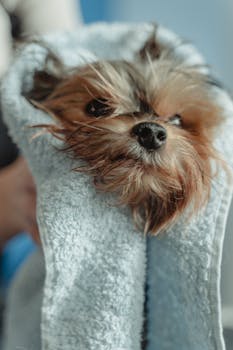
Does your dog’s coat feel rough, look dull, or shed more than usual? These are common signs that your pup’s skin and fur need extra hydration. Coat conditioning and deep moisturizing for dogs is not just about making them look good—it’s about maintaining a healthy skin barrier, reducing itching, and preventing dandruff. Whether you have a double-coated breed or a short-haired companion, this comprehensive guide will walk you through proven techniques and products to restore shine and softness. Let’s dive into the science and practice of dog coat care.
Why Coat Conditioning and Deep Moisturizing Matters
Your dog’s skin is their largest organ, and a healthy coat reflects internal wellness. When the skin loses moisture, it becomes dry, flaky, and prone to irritation. This leads to excessive scratching, hot spots, and even infections. Coat conditioning and deep moisturizing for dogs work together to replenish lipids, seal in hydration, and strengthen hair shafts. A well-moisturized coat also sheds less, smells better, and feels softer to the touch. Furthermore, regular conditioning can reduce static electricity in winter months and protect against environmental allergens.
Signs Your Dog Needs Deep Moisturizing
Keep an eye out for these indicators that your dog’s coat is crying out for hydration:
- Excessive shedding or dandruff (white flakes on the fur or bedding)
- Brittle, split, or broken hairs
- Constant scratching, licking, or rubbing against furniture
- Dull, lackluster appearance even after brushing
- Dry, scaly patches on the skin
Choosing the Right Conditioner for Your Dog’s Coat Type
Not all conditioners are created equal. The ideal product depends on your dog’s coat texture, length, and skin sensitivity. For short, smooth coats, a lightweight leave-in spray works best to avoid greasiness. Double-coated breeds like Huskies and Golden Retrievers benefit from rich, cream-based conditioners that reach the undercoat. For curly or wiry coats, look for deep moisturizing formulas containing natural oils such as coconut, jojoba, or argan. Additionally, hypoallergenic options are crucial for dogs with allergies or chemical sensitivities. Avoid products with parabens, sulfates, and artificial fragrances—they strip natural oils and worsen dryness.
Key Ingredients to Look For
- Oatmeal – Soothes itchiness and locks in moisture
- Aloe vera – Hydrates and calms irritated skin
- Shea butter – Rich emollient that seals moisture
- Vitamin E – Antioxidant that repairs damaged hair
- Omega fatty acids (from flaxseed or fish oil) – Nourish from the inside out
Step-by-Step Deep Moisturizing Routine
To achieve the best results, follow this systematic approach to coat conditioning and deep moisturizing for dogs. This routine should be performed every two to four weeks, depending on your dog’s coat condition and lifestyle.
1. Brush Thoroughly Before Bathing
Start by removing tangles and loose fur with a suitable brush (slicker for long coats, rubber curry for short coats). Wet fur holds tangles tighter, so detangling beforehand prevents breakage and allows the conditioner to spread evenly.
2. Use a Hydrating Shampoo
Wash your dog with a moisturizing shampoo that is free from harsh detergents. Look for formulas with aloe or oatmeal. Rinse completely—residue can cause itching and reduce conditioner effectiveness.
3. Apply Conditioner Generously
With your dog still wet, apply a generous amount of deep conditioner to the coat. Focus on the back, flanks, tail, and legs. Avoid the eyes and ears. Use your fingers to work it into the undercoat, especially for double-coated breeds. Let it sit for 3–5 minutes (longer for extremely dry coats).
4. Rinse Thoroughly with Cool Water
Warm water opens hair cuticles, but cool water helps seal them, locking in moisture. Rinse until the water runs clear—any leftover product will attract dirt and cause buildup.
5. Towel Dry Gently
Pat your dog with a microfiber towel—never rub vigorously, as this causes frizz and breakage. For a deeper moisture boost, apply a leave-in conditioner spray after towel drying. This adds an extra layer of protection between baths.
DIY Natural Mask Recipes for Extra Dry Coats
Sometimes commercial products aren’t enough. Homemade masks using kitchen staples can provide a powerful moisture surge. However, always test a small patch first to ensure no allergic reaction. Here are three safe and effective recipes:
- Coconut and Honey Mask – Mix 2 tablespoons of virgin coconut oil with 1 tablespoon of raw honey. Apply to dry coat, massage in, and leave for 10 minutes before shampooing. Great for soothing irritated skin.
- Oatmeal and Yogurt Paste – Blend 1/2 cup plain oatmeal with 2 tablespoons plain yogurt (no sugar, no xylitol). Apply as a pre-bath mask. Omega fatty acids and probiotics repair moisture barrier.
- Aloe and Vitamin E Gel – Combine 3 tablespoons pure aloe vera gel with the contents of 2 vitamin E capsules. Use as a leave-in treatment on damp fur. Excellent for hot spots and sunburned noses.
Dietary Support for Coat Health
Internal hydration is just as important as topical conditioning. A dog’s skin starts to look dry when their diet lacks essential fatty acids. Incorporating high-quality fish oil (rich in EPA and DHA) or flaxseed oil into your dog’s meals can dramatically improve coat elasticity and shine. Additionally, ensure your dog drinks enough water—dehydration shows first in the skin. Many pet owners overlook this simple factor. Add a spoonful of wet food or bone broth to dry kibble to increase moisture intake.
Common Mistakes to Avoid
Even well-meaning owners can inadvertently dry out their dog’s coat. Steer clear of these pitfalls:
- Over-bathing – Washing more than once every two weeks strips natural oils. Aim for every 4–6 weeks for most breeds, unless your dog gets dirty or has a medical condition.
- Using human shampoo or conditioner – Human pH (around 5.5) is too acidic for dogs (pH 6.5–7.5). Human products also contain strong fragrances that irritate canine skin.
- Skipping the rinse – Leaving any residue can lead to crusty skin and blocked hair follicles. Rinse twice if necessary.
- Applying conditioner to dirty fur – Always shampoo first to remove dirt; conditioner locks in moisture, but also locks in grime if applied to an unclean coat.
Seasonal Adjustments for Year-Round Moisture
Your dog’s hydration needs change with the weather. In winter, indoor heating strips humidity, so increase conditioning frequency to every two weeks and use a humidifier in your home. In summer, saltwater or chlorine from pools can dry out fur—rinse your dog with fresh water after swimming. Spring shedding season calls for extra brushing and a light leave-in conditioner to manage loose hair without weighing down the coat.
Conclusion
Mastering coat conditioning and deep moisturizing for dogs is a rewarding part of responsible pet care. By choosing the right products, following a consistent routine, and supporting with proper nutrition, you can transform a lackluster coat into a glossy, healthy shield against the elements. Remember, every dog is unique—observe how their skin and fur respond, and adjust accordingly. If severe dryness persists despite your efforts, consult your veterinarian to rule out underlying issues such as allergies, thyroid problems, or parasites. Your furry friend will thank you with softer, shinier cuddles.