
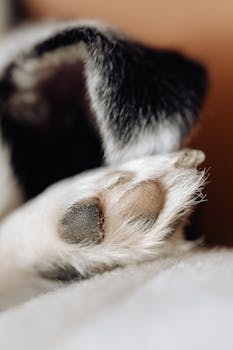
Keeping your dog's paws neat and healthy goes far beyond a simple bath. Learning how to trim paw hair and manage the feathering on your dog’s feet is a crucial grooming skill that prevents matting, reduces dirt tracking, and improves traction on smooth floors. Many owners overlook this area, but neglecting the hair between the pads and around the toes can lead to discomfort, debris buildup, and even infections. In this step-by-step guide, you'll discover the safe, effective techniques to handle both paw pad hair and the longer feathering on the backs of the legs and feet.
1. Gather Your Tools and Materials
Before you start trimming, having the right equipment on hand makes the process smoother and safer for your dog. Using dull or inappropriate tools can tug at the hair and cause pain. Here is a checklist of essential items you will need:
- Small, rounded-tip grooming scissors (curved or straight) – ideal for delicate paw areas.
- Electric clippers with a #10 or #15 blade – perfect for quickly removing hair between pads.
- A fine-toothed comb or slicker brush – to detangle feathering before cutting.
- Dog-safe styptic powder or cornstarch – in case you accidentally nick the skin.
- Treats and a calm helper – to keep your dog still and reward cooperation.
Additionally, consider using a non-slip mat on your grooming table or floor to give your dog a secure footing. Prepare these items ahead of time so you can focus entirely on your dog during the trimming session.
2. Prepare Your Dog for the Trim
A calm, comfortable dog is key to a successful paw grooming experience. Start by brushing out any tangles or mats in the feathering on the legs and paws. Mats can pull on the skin and cause pain if trimmed blindly. Next, gently examine each paw, checking between the pads and around the nails. If your dog is anxious, spend a few minutes massaging the paws and offering treats to build positive associations.
Position your dog so you have easy access to each foot. For large breeds, have them sit or lie on their side; for small dogs, you can hold them in your lap or place them on a low table. Use a calm, reassuring voice throughout. It is also wise to have a helper gently distract the dog with treats or a toy. Remember, never rush this step. Preparing your dog's mindset can prevent sudden movements that could lead to accidental cuts.
Safety tips before cutting
Check the length of the hair and identify the skin folds. The skin between paw pads is thin and sensitive, so you want to avoid getting too close. If your dog has dark pads, use a flashlight to see the hairline clearly. Furthermore, ensure your clipper blades are cool to the touch; hot blades can burn the skin.
3. Trim the Hair Between the Toe Pads
This area is prone to trapping dirt, snow, and burrs. Removing excess hair here improves hygiene and traction. Start by using your electric clippers with a #10 blade held parallel to the pad surface. Gently lift the paw and spread the toes apart. Trim the hair that grows up from between the pads, moving the clippers in short, light strokes. Avoid pressing the blade into the skin; let the clipper do the work.
For dogs with very thick or long paw pad hair, you may need to first use scissors to reduce bulk. However, clippers are generally safer because they are less likely to cause a nick. Work slowly and carefully around each pad, making sure to trim the hair flush with the pad surface. Do not attempt to trim too deep into the crevices—just the hair that extends beyond the pads. After clipping, comb through the area and check for any stray hairs that could mat. Repeat on all four paws.
If your dog has hair growing between the toes (not just the pads), use the same gentle clipping technique. Be extra cautious around the webbing. Some dogs have very fine hair here that can be left alone unless it forms mats. If you prefer scissors, use rounded tips and cut parallel to the toe, never pointing the scissors toward the skin.
4. Trim the Feathering on the Paws
Feathering refers to the longer decorative hair that grows on the backs of the legs and around the paw area, common in breeds like Golden Retrievers, Spaniels, and Schnauzers. This hair can collect debris and become tangled if not maintained. Start by combing the feathering thoroughly to remove all knots. Then, hold the hair with your fingers and use straight or curved scissors to trim it to a neat, even length.
A popular technique is to point the dog's paw upward so the feathering falls naturally. Trim along the natural line of the leg, following the shape of the paw. You want to create a rounded, tidy look without cutting too short—leave at least half an inch of length to avoid an unnatural appearance. For the hair around the top of the paw (the “ankle” area), use a comb to lift the hair and then trim the ends so they blend with the leg hair.
Additionally, pay attention to the hair on the underside of the paw between the pads and the carpal pad (the small pad higher up the leg). This hair is often very thick and can be trimmed with clippers or scissors. However, because this area is less sensitive than the pad crevices, you can be a bit bolder. Always check the direction of hair growth and trim to match the natural flow. Step back frequently to assess symmetry between left and right paws.
5. Finish with a Clean Up and Check
After you finish trimming, run your fingers through the paw hair to feel for any sharp ends or uneven patches. Use a comb to fluff the feathering and ensure there are no mats hiding underneath. Next, inspect each paw for any redness, irritation, or accidental nicks. If you do see a small cut, apply a tiny amount of styptic powder or cornstarch to stop bleeding and monitor the area for signs of infection over the next few days.
Clean up any loose hair clippings from your workspace and from between your dog's pads. A damp cloth can help pick up stray strands. Finally, reward your dog with praise and a special treat for cooperating. Regular maintenance—every 2 to 4 weeks for paw pad hair and every 4 to 6 weeks for feathering—will keep your dog comfortable and reduce the risk of matting. Over time, your dog will become more accustomed to the process, making future trims faster and easier.
Conclusion
Mastering how to trim paw hair and feathering on dogs is a simple yet impactful grooming task that every pet owner can learn. By using the correct tools, preparing your dog calmly, and following these step-by-step techniques, you can keep your dog’s paws clean, healthy, and attractive. Not only does regular paw grooming prevent discomfort and dirt buildup, but it also strengthens the bond between you and your dog through trust and gentle handling. Start with one paw at a time, be patient, and soon you’ll see the benefits of a well-groomed pooch. Remember, a little effort each month goes a long way toward your dog's overall wellbeing.