
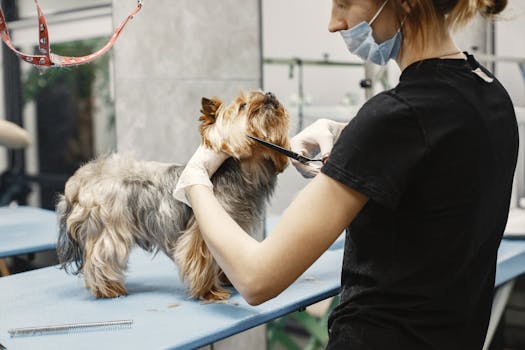
Does your dog tremble at the sight of a brush or bolt from the bathroom when the nail clippers appear? You are not alone. Many pet parents struggle with grooming battles, but there is a proven, gentle solution: positive reinforcement grooming. By turning each grooming session into a rewarding experience, you can replace fear with cooperation and even enthusiasm. Positive reinforcement uses treats, praise, and play to encourage desired behaviors, making grooming a fun bonding activity rather than a dreaded chore.
Why Positive Reinforcement Grooms Better Results
Traditional grooming often relies on restraint or coercion, which can damage trust and increase anxiety. Positive reinforcement, on the other hand, builds a happy association with grooming tools and procedures. When a dog learns that the brush means a tasty treat, they begin to look forward to the process. This science-backed approach reduces stress for both pet and owner, lowers cortisol levels, and creates a more cooperative companion. Furthermore, positive reinforcement grooming is suitable for dogs, cats, rabbits, and other small pets. It works because it capitalizes on an animal's natural desire to earn rewards, making compliance voluntary and enjoyable. Over time, you can phase out treats and rely on praise and petting, but the foundation of trust remains.
Setting Up Your Grooming Environment
Before you start, create a calm, comfortable space. Choose a non-slip surface, such as a rubber mat, to prevent slipping. Gather all grooming tools (brush, comb, clippers, shampoo) before bringing your pet in. Keep high-value treats (small, soft, and smelly) within easy reach. Additionally, ensure the room is warm enough, especially for short-haired breeds or during bath time. A quiet environment with minimal distractions helps your pet focus on you and the rewards. You might also play soft music or use a pheromone diffuser to promote relaxation. Remember, the goal is to associate grooming with safety and pleasure.
Step-by-Step: The Art of Counterconditioning
Counterconditioning is the process of changing an emotional response from negative to positive. Here is a simple protocol to introduce any grooming tool:
- Start with the tool on the floor. Click (or say "Yes!") and treat when your pet looks at or sniffs it. Repeat until they show interest without fear.
- Next, pick up the tool and immediately treat. Then place it down. Build distance and duration gradually.
- Touch your pet's body with the tool (e.g., brush handle) while clicking and treating. Always pair the sensation with a reward.
- Perform a tiny grooming motion (one brush stroke, one nail clip) then immediately treat. Short sessions are key: two minutes is plenty at first.
As your pet becomes comfortable, increase the number of strokes or clips between treats, but never skip rewards entirely. Consistency is crucial. Positive reinforcement grooming requires patience, but the payoff is a pet that voluntarily participates.
Grooming Specific Tasks with Positive Reinforcement
Brushing and Combing
Brushing is often the easiest task to introduce. Begin by showing the brush, then treat. Touch the brush to your pet's back, treat. Give one gentle brush stroke, treat. If your pet flinches, go back a step. Use a soft brush initially. For long-haired pets, work in sections and give a mini reward after each section. Additionally, make brushing part of a daily ritual, like before a walk or meal, so it becomes a predictor of good things.
Nail Trimming
Nail trimming is a common source of anxiety. Start by handling your pet's paws frequently while giving treats. Then, introduce the clippers (show, click, treat). Touch the clippers to a paw nail without cutting, treat. Finally, clip just the tip of one nail, then immediately offer a jackpot of treats and end the session. Only do one or two nails per session initially. Over time, you can do more. Never rush; a bad experience can set back progress. Using a quiet, quality clipper or grinder reduces noise-induced fear.
Bathing
Bath time can be made pleasant by first acclimating your pet to the bathroom and water. Lure them into the empty tub with treats. Then, place a towel down for traction. Use a handheld sprayer or cup to wet a small area, treating continuously. Massage in shampoo while talking softly. Rinse with low pressure, always pairing with treats. After the bath, provide a high-value reward like a frozen Kong or a special chew. Many dogs eventually learn to love baths because they lead to post-bath play or treats.
Troubleshooting Common Challenges
Even with positive reinforcement, challenges arise. Here are solutions for typical issues:
- If your pet freezes or hides: go back to a previous step and move slower. Use higher-value treats like boiled chicken or cheese.
- If your pet tries to grab the brush: ask for a "leave it" or "touch" behavior. Reward them for ignoring the tool and focusing on you.
- If your pet is highly distracted: practice in a low-stimulus room. Try sessions after exercise when they are calmer.
- If your pet shows signs of stress (yawning, lip licking, whale eye): stop immediately. You may be moving too fast. Positive reinforcement grooming should never push an animal into a panicked state.
Additionally, consider using a cooperative care approach where the pet can choose to participate. Teaching a "chin rest" on a mat gives them control, reducing fear.
Conclusion: A Lifetime of Happy Grooming
Making grooming fun using positive reinforcement is not only possible; it transforms the relationship between you and your pet. The time invested in counterconditioning pays dividends in stress-free maintenance and deeper trust. Start with short sessions, celebrate small victories, and always end on a positive note. Your pet will learn that grooming equals treats, praise, and love. With consistency, you can look forward to grooming days instead of dreading them. Embrace the journey, and remember: every treat is a step toward a happier, healthier pet.