
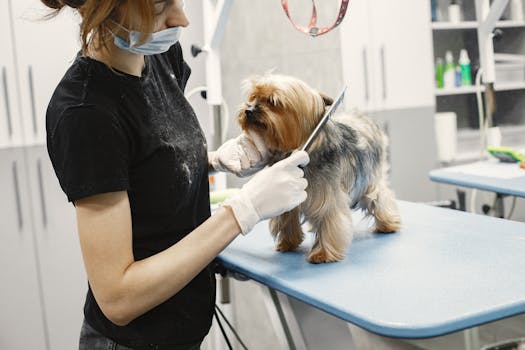
If you share your home with a magnificent long-haired feline, you know that their luxurious coat requires dedicated care. Tangles, mats, and hairballs can quickly become a daily struggle without the right equipment. That’s why we’ve curated the best grooming tools for long-haired cats in 2025—each selected to make sessions easier, safer, and more effective for both you and your cat. Whether you’re a seasoned cat owner or new to long-haired breeds, this guide will help you stock your grooming kit with essentials that truly work.
1. The Slicker Brush – Your Daily Detangler
A high-quality slicker brush is the cornerstone of any long-haired cat grooming routine. Its fine, bent wire pins reach deep into the undercoat to remove loose hair and gently tease out tangles before they become mats. For 2025, look for brushes with flexible, stainless steel pins and a cushioned pad that adjusts to your cat’s body contours. This reduces discomfort and prevents scratching sensitive skin.
Why it matters
Daily brushing with a slicker brush distributes natural oils, keeps the coat shiny, and dramatically reduces shedding around your home. For best results, brush in the direction of hair growth, starting from the back and moving toward the tail. Avoid over-brushing the same spot; two to three gentle strokes per section is plenty.
- Choose a brush with rounded pin tips to avoid skin irritation.
- Clean the brush after each use by removing hair with a comb or your fingers.
- Replace the brush if pins become bent or loose.
2. Wide-Tooth Comb – The Mat Prevention Specialist
After using a slicker brush, a wide-tooth comb is essential for working through the remaining tangles, especially in sensitive areas like the belly, armpits, and behind the ears. The widely spaced teeth glide through hair without pulling, making it a low-stress tool for cats who dislike grooming. In 2025, many wide-tooth combs feature ergonomic handles and anti-static coatings to prevent flyaways.
Start combing at the ends of the hair and work your way up to the roots. This technique avoids yanking and reduces the chance of causing pain. If you encounter a stubborn knot, hold the hair near the skin with one hand and gently tease out the tangle with the comb. Patience is key—rushing can lead to a negative association with grooming.
3. De-Shedding Tool – Remove the Undercoat
Long-haired cats shed a dense undercoat, especially during seasonal changes. A de-shedding tool, such as a Furminator-style rake, is designed to pull out loose undercoat hair without cutting or damaging the topcoat. Look for tools with a stainless steel edge and a button to release trapped hair easily. This is one of the best grooming tools for long-haired cats that owners can use weekly to keep fur under control.
However, use it sparingly—once or twice a week during heavy shedding periods, and every two weeks otherwise. Overuse can irritate the skin or thin the coat. Always follow the grain of the hair and avoid going over the same area repeatedly. Many cats love the sensation, but start slowly if your cat is nervous.
- Use a de-shedding tool after brushing to catch leftover loose hair.
- Do not use on matted areas—detangle first with a comb or mat splitter.
- Clean the tool immediately after use to maintain effectiveness.
4. Mat Splitter – For Stubborn Tangles
Despite your best efforts, mats can still form—especially in the fluffy ruff, behind the legs, and around the tail. A mat splitter has a sharp, curved blade (often with a safety tip) that cuts through mats lengthwise, allowing you to break them apart without cutting the skin. In 2025, look for models with a comfort grip handle and a blade guard for safe storage.
To use a mat splitter, slide the blade under the mat away from the skin, then gently saw back and forth to separate the hair. Work from the outside of the mat inward. Never cut straight through a mat—this can cut the cat’s skin. After splitting, comb out the loosened hair with a wide-tooth comb. If a mat is too tight or close to the skin, consult a professional groomer instead.
5. Grooming Glove – Build Trust and Remove Loose Fur
Grooming gloves are a brilliant way to introduce grooming to cats that are skittish or hate brushes. These gloves have rubber or silicone nubs on the palm and fingers that gather loose hair while you pet your cat. Many cats perceive it as a massage rather than a grooming session, making it a low-stress option for daily maintenance. In 2025, gloves with adjustable wrist straps and easy-to-clean surfaces are popular.
While grooming gloves don’t replace a slicker brush for deep detangling, they are excellent for removing surface dirt and dander between full grooming sessions. Use them after brushing to collect any remaining loose hair. Your cat will likely purr through the process—and you’ll collect enough fur to make a small pillow!
6. Detangling Spray – Lubricate and Condition
A quality detangling spray can make the difference between a painful grooming session and a pleasant one. These sprays contain light oils, silicones, or natural ingredients like aloe vera and chamomile that help loosen knots, reduce static, and add shine. For long-haired cats, look for formulas that are alcohol-free and safe if ingested during grooming.
Apply the spray to the coat (avoiding the face and eyes) before brushing, especially on dry, static-prone fur. Allow it to sit for a minute to penetrate. Then brush or comb normally. Detangling spray is particularly helpful during winter months when indoor heating dries out the coat. Use it sparingly—too much can make the fur greasy.
7. Electric Clippers – For Sanitary Trims and Lion Cuts
Sometimes long-haired cats need a haircut—whether for sanitary reasons (around the rear and belly) or to deal with severe matting. A pair of low-noise, pet-specific electric clippers is a worthwhile investment. In 2025, look for clippers with ceramic or titanium blades that stay cool, a cordless option for maneuverability, and a selection of guide combs for various lengths.
Before using clippers, ensure the cat is calm and the blades are sharp (dull blades pull hair). Start with a #10 or #7 blade for body work, and use a smaller blade for delicate areas like paws. Never use human clippers—they aren’t designed for thick fur and can overheat. If you’re unsure, have a professional groomer demonstrate the technique first.
- Always check blade temperature with your hand every few minutes.
- Clip in the direction of hair growth to avoid ingrown hairs.
- Reward your cat with treats after each clipper session.
8. Undercoat Rake – For Heavy Shedders
Similar to a de-shedding tool but with wider-spaced, sometimes double-sided teeth, an undercoat rake is designed to remove dead hair from deep within the undercoat. It’s especially useful for long-haired breeds with a thick, woolly undercoat, such as Persian and Maine Coon cats. The rake’s rotating tines follow the contours of your cat’s body, making it efficient and comfortable.
Use an undercoat rake once a week during shedding seasons. Rake along the back, sides, and tail (avoid the belly initially). Because it can remove a lot of hair, you may see a dramatic reduction in shedding after just one session. Follow up with a slicker brush to smooth the topcoat and remove any remaining loose hair.
9. Grooming Table or Non-Slip Mat – Create a Safe Space
While not a grooming tool per se, a dedicated grooming surface is essential for safety and comfort. A small grooming table with a non-slip surface and a grooming arm helps restrain your cat gently while you work. Alternatively, a non-slip mat placed on a table or counter works well for at-home grooming. In 2025, collapsible tables with adjustable heights are gaining popularity among cat owners.
A stable grooming area prevents your cat from sliding around, reducing anxiety and potential injury. It also gives you better leverage when detangling or clipping. Pair the surface with a quiet environment and positive reinforcement to make grooming a positive experience. Your cat will learn that the table means treats and attention, not stress.
10. Nail Clippers and File – The Forgotten Grooming Step
Long-haired cats’ claws can become hidden under tufts of fur, making regular nail care even more critical. If left untrimmed, nails can curl and grow into the paw pads, causing pain and infection. Use a pair of scissor-type or guillotine cat nail clippers (whichever you feel most comfortable with) and a fine-grit nail file for smoothing rough edges.
Trim only the white tip (the quick is visible in light-colored nails; for dark nails, cut just a tiny bit at a time). Afterward, file the edges to prevent snags on carpets or upholstery. Incorporate nail trimming into your grooming routine every two to four weeks. Many cats will tolerate it better if you do it when they are relaxed—for example, after a brushing session.
Conclusion
Equipped with these top-tier tools, you can transform grooming from a chore into a bonding experience with your long-haired cat. The best grooming tools for long-haired cats in 2025 are those that match your cat’s temperament and coat type while making the process efficient and gentle. Always introduce new tools slowly, reward frequently, and never force a session if your cat becomes agitated. A consistent grooming routine not only keeps your cat’s coat magnificent but also strengthens your relationship—and reduces the fur tumbleweeds around your home. Start with just one or two of these tools and build your kit over time. Your cat will thank you with purrs and a healthy, gleaming coat.