
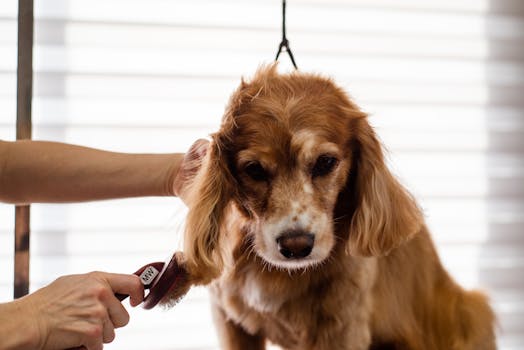
Every dog owner knows that a shiny, healthy coat is a sign of a happy pet, but achieving that luster requires more than just an occasional bath. Learning how to brush your dog coat properly is one of the most essential grooming skills you can master, benefiting both your dog's appearance and overall well-being. Whether you have a fluffy Pomeranian, a sleek Greyhound, or a curly Poodle, the right brushing technique can prevent painful mats, reduce shedding, and strengthen your bond. In this comprehensive guide, we’ll walk you through everything you need to know—from understanding different coat types to selecting the perfect brush—so you can groom your canine companion with confidence and ease.
Why Brushing Your Dog’s Coat Matters
Brushing isn’t just about making your dog look good; it plays a critical role in their health. Regular brushing removes dirt, dander, and loose fur, preventing these particles from accumulating on the skin, which can lead to irritation or infections. Furthermore, it stimulates blood circulation to the skin, promoting natural oil production that keeps the coat soft and shiny. For dogs with thick or double coats, such as Huskies and Golden Retrievers, brushing helps remove the undercoat during shedding seasons, reducing the amount of fur floating around your home. Additionally, the act of brushing gives you an opportunity to check for fleas, ticks, lumps, or skin abnormalities early. Consistent grooming also reduces the likelihood of painful matting, which can pull on the skin and restrict movement. Ultimately, when you regularly brush your dog coat, you’re investing in their comfort and long-term health.
Understanding Different Coat Types
Before you pick up a brush, it’s vital to identify your dog’s coat type. This knowledge determines which tools and techniques will work best. Dog coats generally fall into four main categories: smooth, double, curly or wiry, and long or silky. However, within these categories, there can be hybrid variations.
Smooth Coats
Smooth-coated breeds like Beagles, Boxers, and Dalmatians have short, dense fur that lies flat against the body. These coats are low-maintenance and shed moderately. A simple rubber curry brush or a grooming glove is sufficient to remove loose hair and distribute natural oils. Brushing once or twice a week is usually enough.
Double Coats
Double-coated breeds—including Siberian Huskies, German Shepherds, and Labradors—have a dense, soft undercoat beneath a coarser outer coat. This insulation keeps them warm in winter and cool in summer. However, they shed heavily, often twice a year. An undercoat rake or a slicker brush is essential to penetrate the top coat and remove the loose undercoat without damaging the outer layer. Brushing should be done two to three times per week, and daily during heavy shedding seasons.
Curly and Wiry Coats
Breeds like Poodles, Bichon Frises, and Terriers have curly or wiry coats that are prone to matting and tangling. These coats grow continuously and require more frequent brushing—ideally every other day or daily. Use a slicker brush followed by a metal comb to work through tangles. For wiry coats, hand-stripping tools or a stripping knife may be needed to maintain texture.
Long and Silky Coats
Long-haired breeds such as the Shih Tzu, Yorkshire Terrier, and Afghan Hound have flowing, silky fur that tangles easily. Brushing must be done daily with a pin brush or a bristle brush, starting from the ends and working upward to avoid breakage. A detangling spray can make the process smoother. Pay special attention to areas behind the ears, under the legs, and around the tail where mats commonly form.
Choosing the Right Brush for Your Dog
Using the correct tool is half the battle. Here are the most common brush types and their best applications:
- Slicker Brush: Ideal for curly, wiry, and long coats. Fine wire pins remove tangles and mats. Use gentle strokes to avoid scratching the skin.
- Bristle Brush: Perfect for smooth and short coats. Natural bristles distribute oils and polish the coat. Look for a brush with firm bristles for thicker coats.
- Undercoat Rake: Designed for double-coated breeds. The curved metal teeth reach deep into the undercoat to pull out loose fur without cutting the top coat.
- Pin Brush: Best for long, silky coats. The rounded pins glide through fur without snagging. Often combined with a cushion base for comfort.
- Rubber Curry Brush: Excellent for smooth coats and for massage. The rubber nubs stimulate circulation and lift dead hair. Also works well during bath time.
- Metal Comb: Essential for finishing touches. Use a wide-tooth comb for detangling and a fine-tooth comb for checking for fleas or small mats.
Step-by-Step Guide: How to Brush Your Dog Coat Properly
Follow these steps to brush your dog effectively and safely. Always adapt the technique based on your dog’s coat type and sensitivity.
- Prepare your dog: Choose a quiet, well-lit area. Make sure your dog is calm—give treats or take a short walk first. Have your brushes, a comb, and possibly a detangling spray ready.
- Check for mats and tangles: Before brushing, run your hands through the coat to locate any knots. Gently tease apart small tangles with your fingers or a comb. For stubborn mats, use a mat splitter or consult a professional groomer to avoid hurting your dog.
- Start with a slicker brush (for most coats): Work in sections. Begin at the back of the neck or the top of the back and brush in the direction of hair growth. Use short, gentle strokes. For double coats, use an undercoat rake first.
- Brush the legs and belly carefully: These areas are sensitive. Use a soft pin brush or a slicker brush with very light pressure. Hold the skin taut with your other hand to prevent pulling.
- Finish with a comb: Run a metal comb through the coat, especially in prone areas like behind the ears, armpits, and tail. This ensures all tangles are removed.
- Praise and reward: After brushing, give your dog a treat and praise. This builds positive associations and makes future sessions easier.
Additionally, remember to clean your brushes regularly to remove hair and dirt, which can harbor bacteria.
Breed-Specific Tips for Brushing Success
Every breed has unique grooming needs. Here are tailored tips for popular breeds:
- Poodle: Brush daily with a slicker brush and follow with a comb. Pay extra attention to the ears and tail where mats form quickly. Professional grooming every 4-6 weeks is recommended.
- Golden Retriever: Use an undercoat rake twice a week, increasing to daily during shed season. A slicker brush helps smooth the outer coat. Never shave a double coat—it damages their temperature regulation.
- Shih Tzu: Daily brushing with a pin brush is non-negotiable. Use a detangling spray and work in small sections. Keep hair around the eyes trimmed to prevent irritation.
- Beagle: A rubber curry brush once a week is sufficient. During shedding periods, use a shedding blade to remove loose fur. Their short coat is low-maintenance but still benefits from regular grooming.
- Terrier (e.g., Wire Fox Terrier): For wiry coats, hand-stripping twice a year maintains the texture. In between, brush weekly with a slicker brush and comb. Avoid clipping unless necessary, as it can soften the coat.
Common Brushing Mistakes to Avoid
Even experienced owners can make errors. Being aware of these pitfalls will keep your dog comfortable:
- Brushing too aggressively: Pressing too hard can scrape the skin and cause pain. Use gentle, long strokes, especially on sensitive areas.
- Neglecting tangled areas: Mats that are left unbrushed can tighten and cause skin infections. Always check behind ears, under collars, and between toes.
- Using the wrong brush: A brush meant for a short coat can fail to penetrate a double coat, leading to missed undercoat piles. Match the tool to the coat type.
- Brushing dry mats: Attempting to pull out a dry mat is painful. Apply a detangling spray or conditioner before brushing, or use a mat splitter if needed.
- Forgetting to brush before bath: Mats tighten when wet, making them harder to remove. Always brush your dog thoroughly before a bath, not after.
Conclusion
Mastering how to brush your dog coat properly is a simple yet powerful way to enhance your pet’s quality of life. From selecting the right brush to following a consistent routine tailored to your breed, each step contributes to a healthier, happier dog. Not only does regular grooming keep your home cleaner and reduce shedding, but it also deepens the bond between you and your furry friend. Start today by assessing your dog’s coat type, investing in quality tools, and dedicating just a few minutes each day to this nurturing practice. Your dog will thank you with wagging tails and a gleaming coat.