
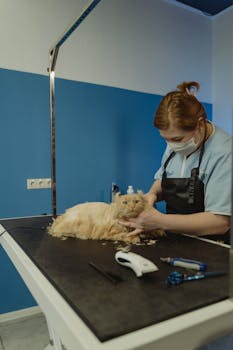
If you own a doodle or mixed breed dog, you already know that grooming these lovable pups is anything but one-size-fits-all. Whether your dog inherits a curly Poodle coat, a silky spaniel texture, or a wiry terrier double coat, understanding the unique needs of your pet is the first step to a happy, healthy companion. In this complete guide to grooming doodle and mixed breed dogs, you will learn the essential tools, step-by-step routines, and expert tips to keep your dog looking and feeling fantastic. From preventing painful matting to choosing between home care and professional sessions, we cover everything you need to know.
Why Doodle and Mixed Breed Dogs Require Special Grooming Attention
Doodles and mixed breeds often have unpredictable coat genetics. Unlike purebreds with standardized hair types, a mixed breed can have a combination of fur textures, growth rates, and shedding patterns. For example, a Goldendoodle might have a wavy coat that mats rapidly, while a terrier-poodle mix may have a harsh outer coat with a soft undercoat. This variability means generic grooming advice rarely works. Furthermore, many doodles inherit the continuously growing hair of the Poodle lineage, requiring regular haircuts to avoid overgrowth. Consequently, a tailored grooming schedule is not just a luxury but a necessity for their comfort and skin health. Ignoring these differences can lead to painful tangles, skin infections, and even behavioral issues from discomfort. Therefore, understanding your dog’s specific coat type dictates everything from brush selection to shampoo choice. Additionally, mixed breeds often have sensitive skin due to diverse ancestral origins, so using hypoallergenic products becomes crucial. With the right knowledge, however, you can turn grooming into a positive bonding experience.
Essential Grooming Tools You’ll Need
Before you begin, investing in quality tools will save you time and prevent injury to your dog. Different coat types require different implements. Below is a list of must-have items for a complete grooming kit:
- Slicker brush – ideal for removing loose hair and detangling mats in curly or wavy coats.
- Stainless steel comb – use to check for small tangles, especially behind ears and under legs.
- Undercoat rake – necessary for double-coated mixed breeds (e.g., Husky mixes) to remove dead undercoat.
- High-velocity dryer – speeds up drying time and helps blow out loose fur before brushing.
- Thinning shears – for blending and shaping around the face, paws, and tail.
- Nail clippers or grinder – to keep nails short and avoid painful splitting.
- Ear cleaning solution and cotton balls – especially important for floppy-eared doodles prone to infections.
- Gentle, pH-balanced shampoo and conditioner – avoid human products as they disrupt canine skin pH.
Having these tools on hand ensures you can address every aspect of grooming without frustration. Moreover, regularly checking your tool condition—such as sharpness of blades and cleanliness of brushes—prevents skin irritation.
Step-by-Step Grooming Routine
Brushing: The Foundation of a Healthy Coat
Brushing is the most critical step in doodle and mixed breed care. However, the frequency and technique vary. For curly or wavy coats, daily brushing prevents mats from forming close to the skin, which can be painful and require shaving. Use a slicker brush in sectioned areas, lifting the coat to brush from the skin outward. For straight or double coats, a weekly brushing with a pin brush or undercoat rake suffices. Always follow with a metal comb to catch any missed tangles. Additionally, use a detangling spray if the coat feels dry. Pay special attention to sensitive areas: armpits, behind the ears, and the belly, where mats develop first. A good rule of thumb is to brush until you can run a comb through without resistance. This routine not only removes dirt but also stimulates natural oil production, giving the coat a healthy shine.
Bathing: When and How to Do It Right
Bathing a doodle or mixed breed is not a weekly affair—over-bathing strips essential oils. Generally, once every four to six weeks is sufficient, unless your dog gets particularly dirty. Before bathing, brush thoroughly to remove loose hair and mats (wet mats tighten and become impossible to remove). Use lukewarm water and apply a dilute shampoo to avoid residue. Massage the product into the coat, focusing on the back, legs, and tail while being careful around the eyes and ears. Rinse completely; leftover shampoo causes skin irritation. Follow with a conditioner to replenish moisture, especially for curly coats that tend to dry out. After rinsing, squeeze excess water from the coat and apply a leave-in conditioner if needed. Remember to clean the ears with a canine-specific solution during the bath—never use cotton swabs inside the ear canal. Furthermore, ensure the bathroom is warm and non-slip to keep your dog comfortable and safe.
Drying Techniques to Prevent Matting
Drying is an often-overlooked step that can make or break your grooming effort. Air drying alone leads to matting because damp hair clumps together. Instead, use a high-velocity dryer on a low heat setting to blow out water and separate the hair. Hold the nozzle a few inches from the skin and move it in a sweeping motion. For curly coats, use a wide-tooth comb simultaneously to stretch and separate curls as they dry. Never point the dryer directly into the face or ears. If your dog is afraid of the noise, introduce the dryer gradually with treats and low volume first. After the initial blow-dry, allow the coat to air-dry for another 10 minutes, then fluff with a slicker brush. This method reduces the risk of matting and gives a professional finish. Additionally, checking for damp spots in the undercoat area—especially near the legs—ensures no moisture is trapped, which could lead to hot spots.
Common Grooming Challenges and Solutions
Even experienced owners face hurdles. One major challenge is dealing with severe mats. If you find a mat close to the skin, never pull or cut with scissors—you may injure the dog. Instead, carefully use a mat splitter or seek professional help for dematting. Another frequent issue is resistance during grooming. Many dogs dislike nail trimming or ear cleaning. To overcome this, use positive reinforcement: offer treats and keep sessions short. Gradually increase handling time as your dog becomes comfortable. Skin irritations, such as dandruff or redness, may indicate allergies or improper product use. Switch to oatmeal-based shampoos and consult your vet if the problem persists. Overgrown ears and paws are common in mixed breeds with fast-growing hair; trim the fur between paw pads and around the ear leathers every few weeks. Moreover, if your dog’s coat becomes overly dry after bathing, switch to a moisturizing conditioner and reduce bath frequency. By anticipating these challenges, you can address them before they become painful for your pet.
How Often Should You Groom Your Doodle or Mixed Breed?
Consistency is key, but the ideal schedule depends on coat type and lifestyle. For most doodles (F1, F1B, etc.), a full grooming session—brushing, bathing, drying, and trimming—every four to six weeks is recommended. Mixed breeds with low-shedding coats similar to Poodles may need professional haircuts every 6–8 weeks. Double-coated terrier mixes benefit from a thorough deshedding every 8–12 weeks. However, daily quick brushings (5–10 minutes) should be non-negotiable for curly and wavy coats. Additionally, check ears weekly for wax buildup or odor, and trim nails every 3–4 weeks. If your dog spends a lot of time outdoors, you may need to bathe more often, but always follow up with conditioner. A simple routine checklist can help: brush daily, clean ears weekly, trim nails monthly, and schedule a full groom every 4–8 weeks. Adapt based on your dog’s individual reactions and the season—summer may require shorter haircuts, while winter calls for longer coats to provide insulation.
Professional Grooming Versus Home Grooming
Deciding whether to groom at home or hire a professional depends on your skill level, your dog’s temperament, and your budget. Home grooming offers bonding opportunities and cost savings, but it requires learning proper techniques and investing in quality tools. Many doodle owners handle brushing and bathing themselves but rely on a professional for trimming the face, feet, and sanitary areas. Professionals have experience with various coat types, can spot skin issues early, and use industrial-grade equipment. For mixed breeds with difficult textures—like a coarse outer coat mixed with cottony undercoat—professional dematting can be safer. However, if your dog is anxious at the groomer, home grooming may reduce stress. You can also alternate: do the basics at home and schedule a professional full groom every third session. Whichever route you choose, maintain a consistent schedule to prevent buildup. Furthermore, always communicate with your groomer about your dog’s specific needs, such as allergies or sensitivities. The ultimate goal is a clean, mat-free, and happy dog—whether that comes from your own hands or a skilled specialist.
Conclusion
Grooming your doodle or mixed breed dog is a rewarding journey that strengthens your bond while safeguarding your pet’s health. By understanding your dog’s unique coat, using the right tools, and following a consistent routine, you can prevent common issues like matting, skin infections, and discomfort. Remember that patience and positive reinforcement are your best allies. Whether you choose to groom at home, visit a professional, or combine both approaches, the key is to stay informed and attentive. Your furry companion will thank you with a shiny, healthy coat and a wagging tail. Start implementing the tips from this guide today, and enjoy a lifetime of happy grooming sessions together.