
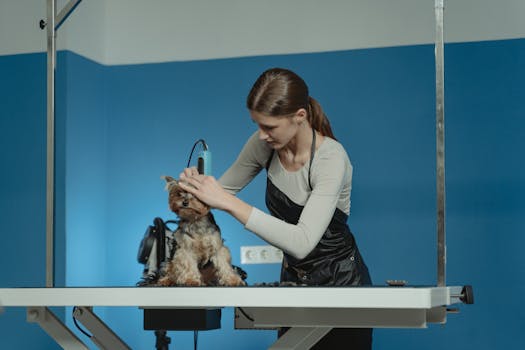
Every dog owner wants their furry friend to look and feel their best, but knowing exactly how often to brush, bathe, and clip can be confusing. That’s why we’ve created this comprehensive grooming frequency guide for 20 popular dog breeds. Whether you have a low-shedding Poodle or a double-coated Husky, the right schedule keeps coats healthy and reduces mess. In this article, we break down grooming routines for ten representative breeds (covering the full spectrum of coat types) so you can build a tailored plan. Let’s dive in and make grooming a breeze.
1. Labrador Retriever
Labradors have a short, dense double coat that sheds moderately year-round and heavily twice a year. Brush them two to three times per week with a rubber curry comb or slicker brush to remove loose fur and distribute natural oils. Bathing is needed every four to six weeks, or when they get muddy after a swim.
Furthermore, Labradors are prone to ear infections due to their floppy ears, so check and clean ears weekly with a vet-approved solution. Trim nails every three to four weeks. Because they are active dogs, you may need to bathe more often during muddy seasons—just avoid over-bathing to prevent dry skin.
- Brushing: 2-3 times per week
- Bathing: every 4-6 weeks
- Ear cleaning: weekly
- Nail trimming: every 3-4 weeks
2. Golden Retriever
Golden Retrievers have a luxurious, water-repellent double coat that sheds heavily, especially during spring and fall. Brush them daily with a slicker brush or undercoat rake to prevent mats and reduce shedding. Bathe every six to eight weeks using a moisturizing shampoo to keep their coat soft and shiny.
Additionally, Goldens are prone to skin allergies, so choose hypoallergenic products if your dog is sensitive. Trim the feathering on legs, tail, and ears every few months to keep them tidy. Don’t forget dental care—brush teeth two to three times weekly. Their ears also need weekly checks to prevent infections.
- Daily brushing during heavy shedding seasons
- Bathing every 6-8 weeks
- Professional grooming every 6-8 weeks for feathering trim
3. German Shepherd
German Shepherds have a thick double coat that sheds constantly, with heavy blows twice a year. Brush three to four times per week with an undercoat rake to remove dead fur, plus a slicker brush for the topcoat. Bathe only every three to four months to avoid stripping natural oils—unless they get exceptionally dirty.
However, German Shepherds are notorious for shedding; a good vacuum is essential. Nail trimming once a month keeps their paws comfortable. Check their ears weekly for debris, as they are prone to yeast infections. If you live in a hot climate, avoid shaving them—their coat actually helps regulate temperature.
- Brushing: 3-4 times per week
- Bathing: every 3-4 months
- Nail trimming: monthly
4. Poodle (Toy, Miniature, Standard)
Poodles have a single-layer, curly coat that doesn’t shed but can mat severely. Brush daily with a pin brush and metal comb to prevent tangles. Professional grooming every four to six weeks is crucial for clipping or scissoring. Bathe every three to four weeks, or more often if they play outside.
Furthermore, Poodle ears need special attention—pluck excess hair inside the ear canal weekly to reduce wax buildup and infection. Nail trimming every three weeks is typical because nails grow fast. Many owners opt for a “puppy cut” to simplify maintenance between full grooms.
Grooming Schedule Summary
- Daily brushing and combing
- Bathing every 3-4 weeks
- Professional groom every 4-6 weeks
- Ear hair plucking weekly
5. Bulldog (English/French)
Bulldogs have short, fine coats that shed lightly to moderately. Brush once a week with a soft bristle brush or grooming mitt. Bathe every four to six weeks using a gentle, oatmeal-based shampoo to avoid skin irritation. Pay extra attention to the facial wrinkles—clean them daily with a damp cloth and dry thoroughly to prevent dermatitis.
Additionally, Bulldogs are prone to skin fold infections, so keep those creases dry. Their nails tend to grow quickly due to low activity levels; trim every two to three weeks. Because they have sensitive skin, avoid harsh products. Ear cleaning weekly is also essential for this breed.
6. Beagle
Beagles have a short, dense double coat that sheds moderately year-round with heavier seasonal blows. Brush once a week with a rubber curry brush or hound glove to remove dead hair. Bathe every four to six weeks—their coat is naturally water-resistant and doesn’t need frequent washing.
However, Beagles are prone to ear infections because of their long floppy ears. Clean ears weekly with a vet-approved solution and check for odor or redness. Nails need trimming every month. Their coat is relatively low-maintenance, but regular brushing keeps shedding under control.
- Brushing: weekly
- Bathing: every 4-6 weeks
- Ear cleaning: weekly
- Nail trimming: monthly
7. Yorkshire Terrier
Yorkies have a fine, human-like coat that grows continuously and rarely sheds. Brush daily with a pin brush and metal comb to prevent mats. Bathe every one to two weeks with a moisturizing shampoo. Many owners keep Yorkies in a “puppy cut” that requires professional grooming every four to six weeks.
Furthermore, Yorkies are prone to dental problems, so brush teeth daily. Their nails grow fast—trim every two to three weeks. The hair around the eyes can cause tearing, so wipe the face daily. If left long, the coat needs meticulous daily care; otherwise, a shorter clip is far easier.
8. Boxer
Boxers have a short, smooth coat that sheds moderately. Brush once a week with a rubber curry brush or chamois cloth to polish the coat and remove loose hair. Bathe every six to eight weeks, or as needed. Boxers are active dogs and may need more frequent baths after outdoor adventures.
Additionally, Boxers are prone to skin allergies and fold dermatitis, especially on the face. Clean their facial wrinkles daily. Nails trim every three to four weeks. Their ears (if left natural) require weekly cleaning to prevent infections. Boxers are overall low-maintenance regarding brushing, but regular nail care is a must.
9. Dachshund
Dachshunds come in three coat varieties: smooth, longhaired, and wirehaired. Smooth coats need minimal brushing—once a week with a soft cloth. Longhaired Dachshunds require brushing two to three times per week to prevent mats, especially behind the ears and under the belly. Wirehaired Dachshunds need brushing two to three times per week and occasional hand-stripping or clipping every few months.
Bathtime varies: smooth coats every six to eight weeks; longhaired and wirehaired every four to six weeks. All Dachshunds are prone to back problems, so use a gentle grooming table and avoid lifting by the neck. Trim nails monthly and clean ears weekly.
- Smooth coat: brush weekly, bathe every 6-8 weeks
- Longhaired: brush 2-3x/week, bathe every 4-6 weeks
- Wirehaired: brush 2-3x/week, professional groom every 6-8 weeks
10. Siberian Husky
Siberian Huskies have a thick, double coat designed for arctic climates. They shed minimally most of the year but “blow” their undercoat twice a year, creating massive hair tumbleweeds. Brush daily during shedding season with an undercoat rake and slicker brush; weekly during rest of the year. Bathe only every three to four months, as frequent washing damages the coat’s natural oils.
However, Huskies are clean dogs that self-groom like cats. They typically don’t have a “doggy odor.” Nails trim monthly and ears check weekly. Never shave a Husky—the double coat insulates against heat and cold. Invest in a good vacuum and lint roller!
Conclusion
Every dog breed has unique grooming needs, but with this grooming frequency guide you can keep your pet healthy, comfortable, and looking great. Start by assessing your dog’s coat type, then follow the schedule outlined above. Remember to adjust based on your dog’s lifestyle—more outdoor play means more baths and brush-outs. Consistent grooming strengthens your bond and catches health issues early. Bookmark this guide and refer back anytime you need a quick reminder. Happy grooming!