
1. Why is a slicker brush essential for your cat's coat?
When you start exploring cat grooming tools, the slicker brush is often the first recommended item. This tool features fine, short wires close together on a flat surface, making it perfect for removing loose fur, tangles, and mats. For long-haired breeds like Persians or Maine Coons, a slicker brush helps prevent painful matting and reduces shedding around your home. Using it gently in the direction of hair growth keeps your cat comfortable and ensures you are not irritating their sensitive skin.
Furthermore, slicker brushes come in various sizes and bristle stiffness. For short-haired cats, a softer slicker brush is ideal to avoid scratching the skin. You should always check your cat's coat type before purchasing. Additionally, regular use of a slicker brush can stimulate natural oils, making the coat healthier and shinier. Start slow with short sessions, rewarding your cat with treats to create a positive grooming experience.
Benefits of using a slicker brush
- Removes loose fur and reduces shedding
- Prevents matting and tangles
- Stimulates skin and distributes natural oils
- Works well on both long and short coats
2. How does a stainless steel comb help with detangling?
A stainless steel comb is another must-have in your cat grooming toolkit. Unlike brushes, combs can get deeper into the coat to remove small tangles and check for fleas or debris. The wide-tooth side is excellent for initial detangling, while the fine-tooth side can smooth the coat and catch any leftover loose hairs. This dual functionality makes it a versatile tool for everyday grooming sessions.
However, it is important to choose a comb with rounded tips to avoid scratching your feline friend. Stainless steel is durable and easy to clean, which is a plus for hygiene. Transitioning from a brush to a comb can also help your cat get accustomed to different sensations, making them easier to groom in the long run. For owners of medium to long-haired cats, a high-quality comb is indispensable for maintaining a tangle-free coat.
3. What is the purpose of a rubber grooming glove?
A rubber grooming glove is a gentle alternative to brushes, especially for cats that are nervous about groomers. These gloves have soft rubber tips that attract loose hair through static electricity, making grooming feel like a petting session. They are excellent for removing dander and dirt while massaging your cat's skin, which many cats find relaxing. This tool is particularly useful for short-haired breeds that do not require heavy detangling.
Additionally, rubber grooming gloves can be used during bathing to help distribute shampoo and loosen dirt. After the bath, they help remove excess water from the coat. Another advantage is that the loose hair sticks to the glove, making cleanup easy—simply peel off the hair and wash the glove. For cats with sensitive skin, this is one of the safest cat grooming tools you can use.
4. Why do you need cat-safe nail clippers?
Trimming your cat's nails is an essential part of home grooming, and using the right tool is critical. Cat nail clippers come in two main types: guillotine style and scissor style. Both are designed to cut through the nail quickly without splitting it. However, standard human nail clippers can crush the nail and cause pain, so investing in clippers made specifically for cats is important. Proper nail maintenance prevents overgrowth that can lead to discomfort, snagging, or injury.
To use them effectively, you need to locate the quick—the pink area inside the nail that contains blood vessels. Only cut the sharp tip, avoiding the quick. If you are unsure, grinders (like a Dremel) can be a safer alternative. Nevertheless, clippers are faster and less noisy for most cats. Make sure to have styptic powder on hand in case you accidentally cut the quick. Regular nail trims (every 2–4 weeks) keep your cat comfortable and protect your furniture.
5. How can a deshedding tool reduce seasonal shedding?
Shedding is natural for cats, but an undercoat rake or deshedding tool can significantly minimize loose fur around your home. These tools are designed to reach the dense undercoat without damaging the topcoat. For breeds like Siamese or domestic short hairs, a deshedding tool can reduce shedding by up to 90%. The Furminator is a popular brand, but many affordable alternatives exist. Using this tool once or twice a week during shedding season keeps your cat’s coat healthy and your furniture hair-free.
Furthermore, regular deshedding prevents hairballs by removing loose fur before your cat ingests it. Be careful not to overuse these tools, as excessive brushing can cause skin irritation. Always follow the manufacturer's instructions for your cat's coat length. Transitioning to a deshedding tool from a regular brush can be gradual; let your cat sniff it first and reward calm behavior. This tool is a game-changer for owners of heavy shedders.
6. What are the benefits of a cat grooming glove?
A grooming glove is similar to a rubber glove but often has soft silicone nubs on the palm and fingers. These nubs lift loose hair and massage the skin at the same time. Many cats who dislike traditional brushes respond well to grooming gloves because they mimic petting. This tool is perfect for quick grooming sessions between baths and for removing allergens like dander. It is also useful for bonding, as you can combine grooming with affectionate touch.
Moreover, grooming gloves are easy to use—simply put one on your hand and stroke your cat from head to tail. The hair collects on the glove, and you can easily remove it. Some gloves are waterproof, making them suitable for use during baths. For cats with short hair, this tool may be enough for maintenance without needing a brush. However, for matted coats, you will still need a comb or slicker brush.
7. How do you choose the best cat toothbrush and toothpaste?
Dental health is an overlooked aspect of cat care, but it is critical for preventing periodontal disease. A cat-specific toothbrush with soft bristles and a small head is necessary for gentle cleaning. Finger brushes are also available and can be easier to maneuver around your cat's mouth. Never use human toothpaste, as it contains fluoride and xylitol, which are toxic to cats. Always use enzymatic toothpaste formulated for felines.
To introduce toothbrushing, start by letting your cat taste the toothpaste from your finger. Gradually, use the brush for a few seconds on the front teeth, then build up to the back molars. Consistency is key—aim for daily brushing, but even three times a week can make a difference. Additionally, dental treats and water additives can supplement brushing, but they do not replace mechanical cleaning. Including a toothbrush in your cat grooming toolkit ensures a healthier smile.
8. Why should you have a cat grooming wipes dispenser?
Grooming wipes are a convenient solution for spot cleaning between baths. They are pre-moistened with gentle formulas that remove dirt, dander, and odor without harsh chemicals. Wipes are especially handy for cats that dislike water or for cleaning dirty paws after a walk (if your cat goes outside). They are also useful for wiping around eyes and ears to prevent buildup. Having a dispenser near your grooming area encourages quick touch-ups.
However, not all wipes are safe for cats. Look for wipes that are alcohol-free, hypoallergenic, and pH-balanced for feline skin. Some wipes contain soothing ingredients like chamomile or aloe vera. Transitioning from wet wipes to dry shampoos can be a good rotation. Despite their convenience, wipes do not replace thorough brushing or bathing. They are best used as a supplement to your regular grooming routine.
9. What is the role of an ear cleaning solution and cotton balls?
Ear infections are common in cats, but regular cleaning can prevent them. A veterinarian-recommended ear cleaning solution is a staple in cat grooming tools. Apply a few drops into the ear canal, gently massage the base of the ear, and let your cat shake out debris. Then, use a cotton ball to wipe away any leftover dirt. Never use cotton swabs (Q-tips) inside the ear, as they can push debris further or damage the eardrum.
Additionally, checking your cat’s ears weekly allows you to spot issues like redness, discharge, or mites early. Use separate cotton balls for each ear to avoid spreading infection. Ear cleaning should be stress-free—pair it with treats and gentle petting. For breeds with long hair inside the ears, like the Persian, you may need to pluck hair with a proper tool; however, always consult your vet first. Clean ears contribute to your cat's overall health.
10. How can a grooming table or mat improve your routine?
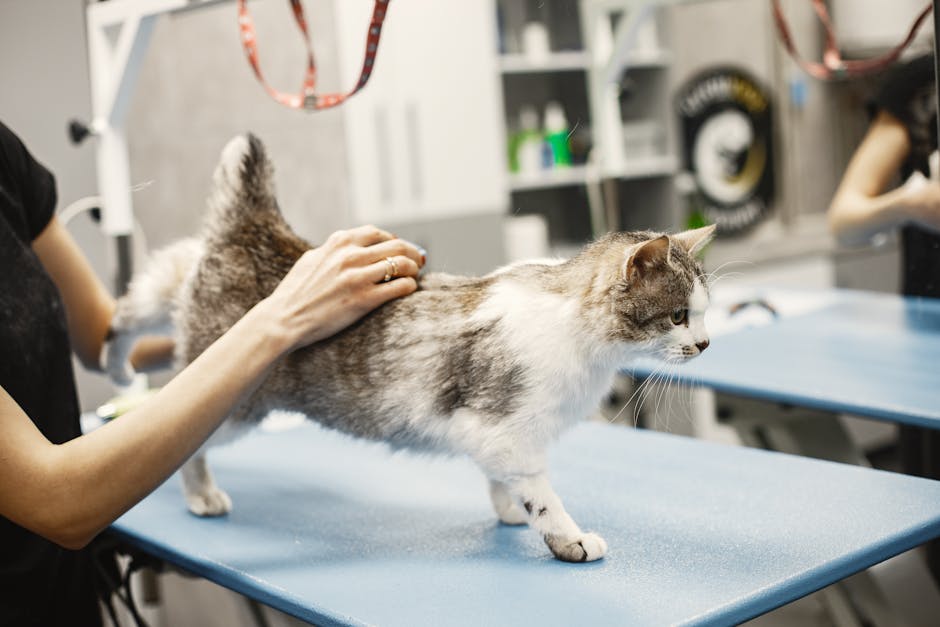
While not strictly a tool, a grooming table or a non-slip mat can greatly improve safety and comfort. A stable surface prevents your cat from slipping and reduces stress. Many grooming tables come with a grooming arm and loop to secure your cat, but at home, a simple rubber mat on a counter can work. Having a designated grooming area helps your cat associate that space with grooming, making them more cooperative over time.
Furthermore, a mat catches loose hair and makes cleanup easier. You can also use it to hold your tools within reach. If you groom multiple cats, a table ensures consistency. For owners with mobility issues, an adjustable table reduces bending. While not essential, a grooming table is a worthwhile investment if you groom your cat frequently. It enhances your ability to use other cat grooming tools effectively.
Conclusion
Equipping yourself with the right cat grooming tools makes a significant difference in your cat's health and happiness. From brushes and combs to nail clippers and dental care, each tool serves a specific purpose in maintaining a clean, tangle-free, and healthy coat. Remember to choose products based on your cat's breed, coat length, and temperament. Additionally, always introduce new tools gradually with positive reinforcement. With these essentials, you can easily handle most grooming tasks at home, saving money on professional grooming and strengthening your bond with your feline friend.