
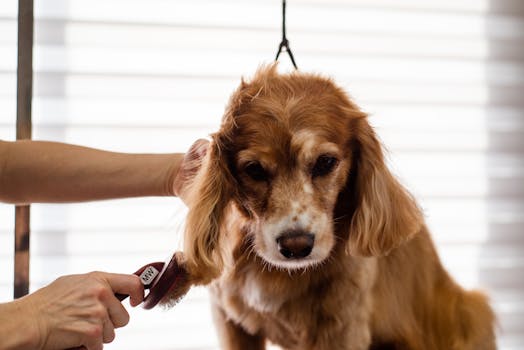
In my years in companion-animal practice, the questions behind "How Often to Bathe a Dog: A Vet's Real-World Guideline" are among the most common I hear from owners. Below I have pulled the facts that actually matter and added the clinical context I wish more people knew before they needed it. My goal is simple: give you the real information, minus the fluff, so you can make a confident decision for your dog.
The short answer I give at the clinic
For most healthy adult dogs with normal coat and skin, a bath every 4 to 8 weeks is plenty, and many dogs do fine with one every 2 to 3 months. The real driver isn't a date on the calendar — it's coat type, skin health, and how dirty your dog actually gets. A beagle that rolls in something unpleasant needs a bath that day; a short-coated indoor dog may not need one for months. I tell owners to bathe when there's a reason: visible dirt, odor, allergens on the coat, or a skin-condition protocol from your vet — not on a fixed weekly schedule.
Why over-bathing backfires
A dog's skin produces sebum, a thin oily layer that locks in moisture and supports the skin barrier. Bathing too often — especially with harsh or human shampoo — strips that layer away. Once the barrier is compromised, water escapes, the skin dries, and the dog itches. Itching leads to scratching, which opens the door to bacteria and yeast. Less is genuinely more here.
What changes the schedule
Several factors push the interval shorter or longer. Coat type: hairless breeds (Chinese Crested, Xolo) need weekly baths because their skin is exposed; double-coated breeds (Huskies, Retrievers) need occasional baths plus frequent brushing; curly coats (Poodles, Doodles) trap debris and need regular grooming; short smooth coats (Beagles, Boxers) rarely need baths at all. Lifestyle: a dog that hikes, swims, or works in the field may need a bath every week or two in active seasons, while a couch companion stays clean far longer. Skin disease: dogs with allergies or seborrhea are often on a vet-set medicated-bath protocol of 1 to 2 times per week — that's treatment, not cosmetics. Puppies and seniors have thinner barriers, so I keep their baths infrequent and gentle.
How to do it right
Get this right and most of the common problems simply never start.
Use a dog-specific shampoo. Human shampoo is formulated for our more acidic skin and will disrupt a dog's barrier. Dilute concentrated shampoo with water in a cup before applying — it spreads evenly and rinses clean. Use lukewarm water, never hot. Work from the neck back, avoiding the eyes and inner ears (water in the ear canal is a classic setup for otitis). Rinse until the coat feels squeaky and there's no slip — leftover residue is the number one cause of post-bath itch. Towel-dry thoroughly; a damp dog in a drafty house is a recipe for chills and hot spots. A low-heat dryer on a calm dog is fine; never use a human high-heat setting.
Signs you're bathing too much — or too little
Too much: flaky dandruff, a dull coarse coat, constant scratching, red irritated skin, a tight-feeling coat. Too little: noticeable odor, greasy fur, visible dirt, and — for allergic dogs — a buildup of environmental allergens on the coat that keeps them itchy between walks. The sweet spot is a coat that looks clean, feels soft, and doesn't smell within a few feet.
Cleaning between baths
You don't need a full bath for most messes. Paw soaks in plain warm water after muddy walks remove irritants and allergens. Pet-safe wipes handle face folds and muddy legs, and waterless foams buy you a week on a dog that rolled in something minor. For wrinkly breeds (Bulldogs, Shar-Peis), a daily fold wipe prevents the bacterial overgrowth behind that telltale odor — hygiene, not vanity.
Coat-type quick reference
Short or smooth (Beagle, Boxer): every 2 to 3 months. Double coat (Husky, Golden): every 6 to 8 weeks plus weekly brushing. Curly (Poodle): every 3 to 4 weeks. Hairless: weekly. Wrinkly (Bulldog): bath plus daily fold care. Treat these as starting points — adjust to your dog's skin, not the chart.
When bathing isn't enough
A bath is cleaning, not treatment. If your dog is itchy, has red skin, hair loss, a bad smell that returns days after a bath, or recurring hot spots, the problem is medical, not hygiene. Over-bathing a dog with underlying dermatitis just makes it worse. That's the point where you stop experimenting and book the exam.
My clinical take
The owners who do best are not the ones with the most information — they are the ones who turn the right information into routine habits. For bathing, the habit is simple: bathe for a reason, use the right product, rinse like you mean it, and let the skin breathe in between.
When to call your veterinarian
Some skin signs mean call your veterinarian rather than reaching for the shampoo again. In my career I never ask owners to wait on: persistent itch that doesn't settle after a bath, raw or oozing hot spots, a foul odor that returns within days, hair loss, bleeding, or facial swelling. If a bad smell or redness comes back right after a thorough bath, the cause is medical, not dirt. For true emergencies — laboured breathing, collapse, seizures, or straining to urinate — get the dog seen the same day.
Cost considerations
Grooming is one of the cheaper line items if you handle it at home. A professional bath and brush typically runs $40–$90 depending on size and coat, and curly or matted coats cost more. The expensive version is the unplanned one: a skin workup, cytology, or allergy treatment can run $200–$1,000, and many of those cases start with a barrier damaged by over-bathing. Bathing appropriately is among the cheapest preventives there is.
Frequently Asked Questions
Can I use human shampoo on my dog in a pinch?
I'd rather you use plain warm water than human shampoo. Our skin is more acidic than a dog's, and even one wash with a sulfated human product can tip a healthy barrier into dryness and itch. Keep a dog shampoo on the shelf so you're never stuck.
How often should I bathe a puppy?
Sparingly. Puppies have thin, sensitive skin and a fragile barrier. Unless they're genuinely dirty, a wipe-down or spot clean is enough until they're older. Use a gentle puppy shampoo and keep baths short and positive so they don't learn to fear the tub.
Is a bath good for a dog with allergies?
Often yes — but for a different reason than you'd think. A warm rinse removes pollen, dust, and other allergens stuck to the coat after walks, which directly reduces itch for allergic dogs. For many, a 1 to 2 times weekly bath with a vet-recommended shampoo is part of the treatment plan, not just grooming.
My dog smells bad right after a bath — why?
Usually one of two things: shampoo residue left on the coat, or an underlying skin or ear infection producing odor faster than you can wash it off. If a bad smell returns within days of a thorough, well-rinsed bath, book a vet visit instead of bathing more often.
Veterinary Disclaimer
Content reviewed by the SWT Pal Pet Veterinary Team. The information here is educational and based on general clinical experience; it is not a substitute for a hands-on examination by your own veterinarian, who knows your pet's history. Always discuss diagnosis, medication and treatment decisions with a qualified professional, and seek urgent care for any emergency.
Sources & Further Reading
SWT Pal Pet researches each topic against recognized veterinary and breed authorities. The following organizations inform our content: