
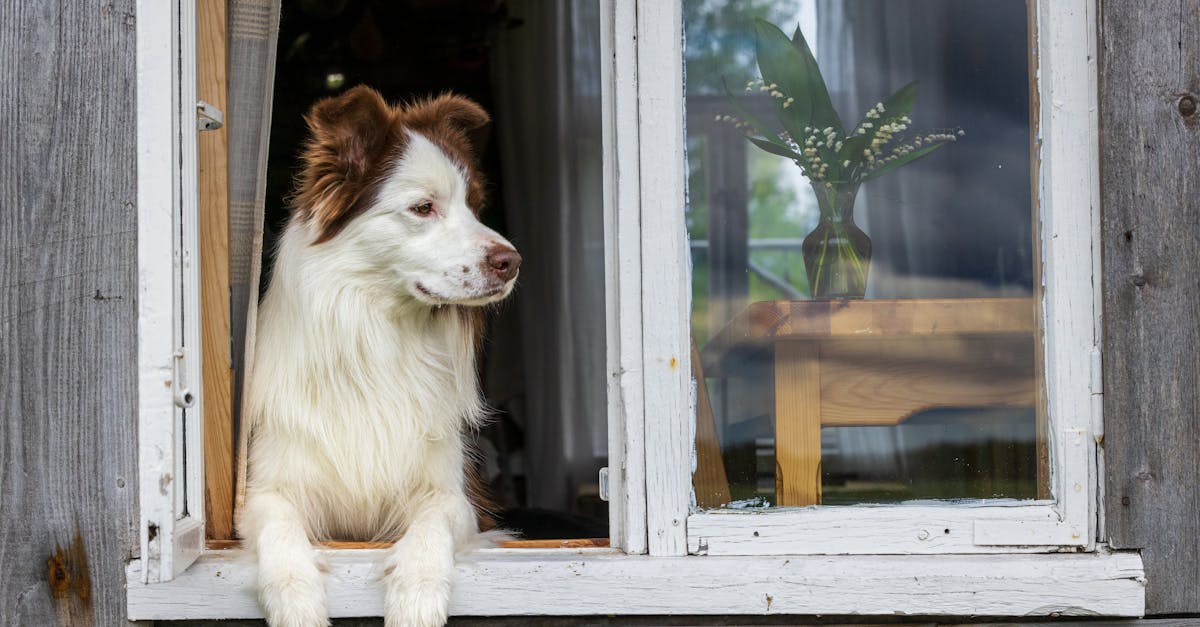
Separation anxiety (SA) is a panic disorder — not misbehavior, not spite, not boredom. Dogs with SA experience genuine emotional distress when separated from their attachment figure. They are not "punishing you for leaving" or "being bad." They are panicking. Understanding this is the foundation of effective treatment.
- Diagnosis: Is It Really Separation Anxiety?
- The Treatment Protocol: Systematic Desensitization
- Phase 1: Pre-Departure Cues (Week 1-2)
- Phase 2: Sub-Threshold Departures (Week 2-12+)
- Phase 3: Real-World Duration (Months)
- Medication
- Management During Treatment
- What Doesn't Work
- Frequently Asked Questions
- How long does treatment take?
Diagnosis: Is It Really Separation Anxiety?
| Separation Anxiety | NOT Separation Anxiety |
|---|---|
| Destructive behavior targets exit points (doors, windows, crates) | Destructive chewing of random objects (boredom/adolescence) |
| Occurs within minutes of departure | Occurs hours later (boredom) |
| Vocalization is continuous and distressed | Barking at external stimuli (alert barking) |
| House soiling despite being house-trained (stress) | House soiling due to incomplete house training |
| Symptoms ONLY when alone (fine when you're home) | Symptoms when you're home too (general anxiety) |
| Follows you room to room when home (hyper-attachment) | Independent when you're home |
The Treatment Protocol: Systematic Desensitization
The only proven treatment for SA is gradual, systematic exposure to being alone — starting below the dog's panic threshold and building duration in tiny increments.
Phase 1: Pre-Departure Cues (Week 1-2)
- Practice departure cues (picking up keys, putting on shoes, touching doorknob) WITHOUT leaving
- Repeat 20-50 times daily until the dog doesn't react to these cues
- Goal: decouple cues from the actual departure event
Phase 2: Sub-Threshold Departures (Week 2-12+)
- Leave for SECONDS (literally 1-5 seconds initially)
- Return before the dog shows any distress
- Gradually increase: 5 seconds → 10 → 30 → 1 minute → 2 minutes...
- Progress is NOT linear — expect setbacks
- Use camera monitoring to watch for stress signals
- If the dog shows distress at any duration — go back to a shorter duration that was successful
Phase 3: Real-World Duration (Months)
- Once achieving 30-60 minutes without distress, progress often accelerates
- Typical timeline to full work-day absence: 3-6 months minimum (often longer)
Medication
For moderate-severe SA, medication is not optional — it's often essential for the protocol to work:
- Fluoxetine (Reconcile): Daily SSRI. Takes 4-6 weeks to reach full effect. Enables the brain to learn new associations.
- Clomipramine (Clomicalm): Daily TCA. FDA-approved for canine SA.
- Trazodone: As-needed for situational use (days when you must leave before training has progressed to that duration).
Management During Treatment
The critical rule: The dog must NEVER be left alone longer than its current trained duration during the entire treatment process. Every panic episode sets progress back.
- Dog daycare
- Pet sitter
- Working from home
- Friends/family coverage
- Take dog with you (dog-friendly workplaces, errands)
What Doesn't Work
- Getting a second dog: SA is about the specific human attachment figure, not about being alone per se. Another dog doesn't replace you.
- Crating: Most SA dogs are WORSE in crates (trapped, unable to cope, injury risk)
- Punishment: The dog is panicking. Punishing panic increases panic.
- "Ignoring" departures and arrivals: This alone does not treat SA. It's fine as a component but is not a standalone solution.
- Exercise alone: A tired SA dog is a tired panicking dog. Exercise helps general anxiety but doesn't resolve SA.
Frequently Asked Questions
How long does treatment take?
Realistic timeline: 3-12 months for significant improvement. Some dogs achieve full independence; others require ongoing management (shorter departures, medication maintenance, daycare for work days). This is a serious behavioral disorder — there are no quick fixes.