
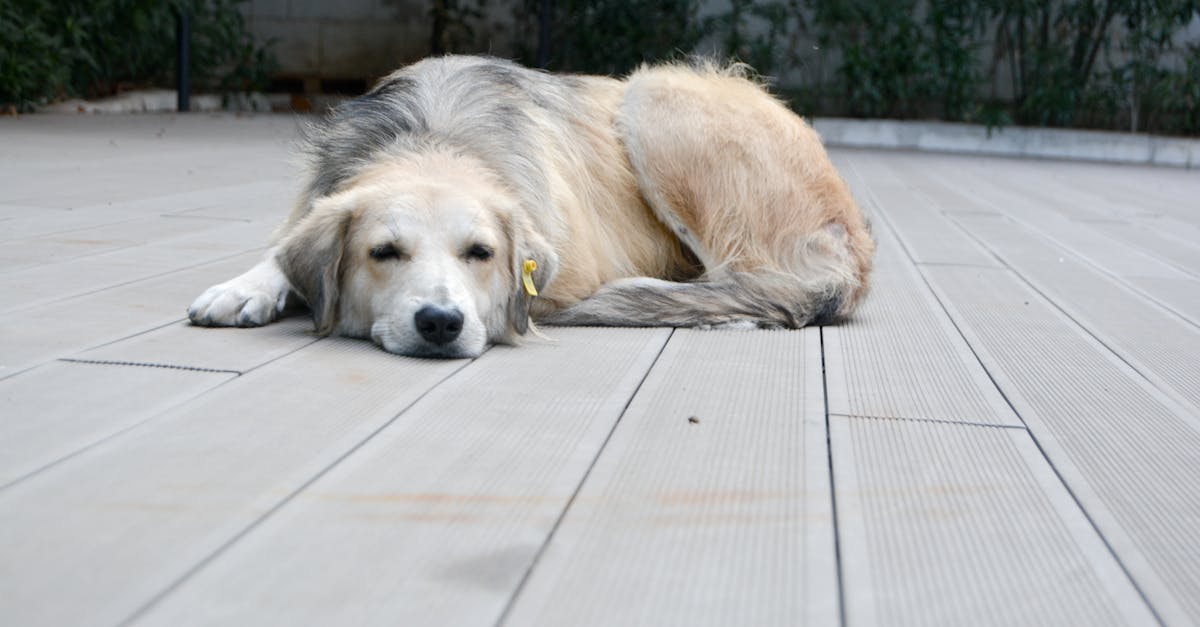
Most training focuses on DOING — sit, down, come, tricks. But the behavior most owners actually need most is: being calm. Doing nothing. Relaxing on a mat while life happens around them. This is not a natural state for many dogs (especially adolescents and high-drive breeds), but it IS trainable. Calmness is a skill, not just the absence of excitement.
Why Calm Needs to Be Trained
- Many dogs have never been reinforced for being calm (we notice and interact with them when they're active, leaving them alone when quiet — accidentally reinforcing activity over calm)
- High-arousal environments (homes with children, multiple pets, high activity) never give the dog an "off switch" cue
- Some breeds are genetically predisposed to high arousal (herding breeds, terriers) and need explicit calm training
Capturing Calm
The simplest approach — requires only observation and timing:
- Go about your normal routine. Watch your dog.
- The MOMENT the dog voluntarily lies down, settles, or exhibits any calm behavior → quietly place a treat between its paws. No verbal cue. No fanfare. Just: treat appears during calm.
- Repeat multiple times daily. Every time you notice calm → quiet treat delivery.
- Over days-weeks, the dog begins OFFERING calm behavior more frequently (because it's being reinforced).
- The calm muscle gets stronger. Arousal threshold increases.
Karen Overall's Relaxation Protocol
A structured 15-day program that teaches dogs to remain relaxed through progressively challenging distractions:
- Dog on mat in "down" position
- Day 1: Count to 5 → treat. Count to 10 → treat. Take one step → treat. Clap hands → treat. (If dog stays relaxed through each distraction → treat.)
- Each day adds more challenging distractions: door knocking, jogging in place, bouncing a ball, leaving the room, another person entering
- The dog learns: regardless of what happens around me, staying on my mat in a relaxed state earns continuous reinforcement
Mat Training for Relaxation
- Designate a specific mat/bed as "the calm spot"
- ONLY reward calm behavior on this mat (never excitement)
- Treat delivery is slow, calm, quiet (not exciting)
- Build duration: treat every 10 seconds → every 30 seconds → every minute → every 5 minutes
- Add distractions: TV on, people moving, doorbell, cooking
- Portable mat: bring to restaurants, friends' houses, vet — same behavior transfers
Rewarding the Absence of Behavior
Most training reinforces actions. Calm training reinforces NON-action. This requires you to:
- Notice when your dog is doing NOTHING (lying quietly, resting, watching calmly)
- Reinforce these moments (quietly, without exciting the dog back into activity)
- Stop accidentally reinforcing excitement (don't respond to demand barking, jumping, nudging with attention)
For High-Energy Dogs
- Exercise first: Meet physical needs BEFORE expecting calm. You cannot train calm in a dog bursting with unspent energy.
- Mental enrichment: Puzzle toys, training sessions, nose work — tire the brain.
- Then: After needs are met, capture and reinforce any calm moments.
- Decompression time: Crate or quiet room for structured rest periods (some dogs don't know how to "turn off" without environmental help).
Frequently Asked Questions
My dog can't settle for even 10 seconds. Where do I start?
Start with the absolute minimum: dog lies down for 1 second → treat. That's it. Build from there. If the dog can't even lie down: reward any reduction in activity (standing still vs. pacing). Meet the dog where it IS, not where you want it to be. Also: ensure physical and mental exercise needs are met first — you cannot train calm over unmet needs.