
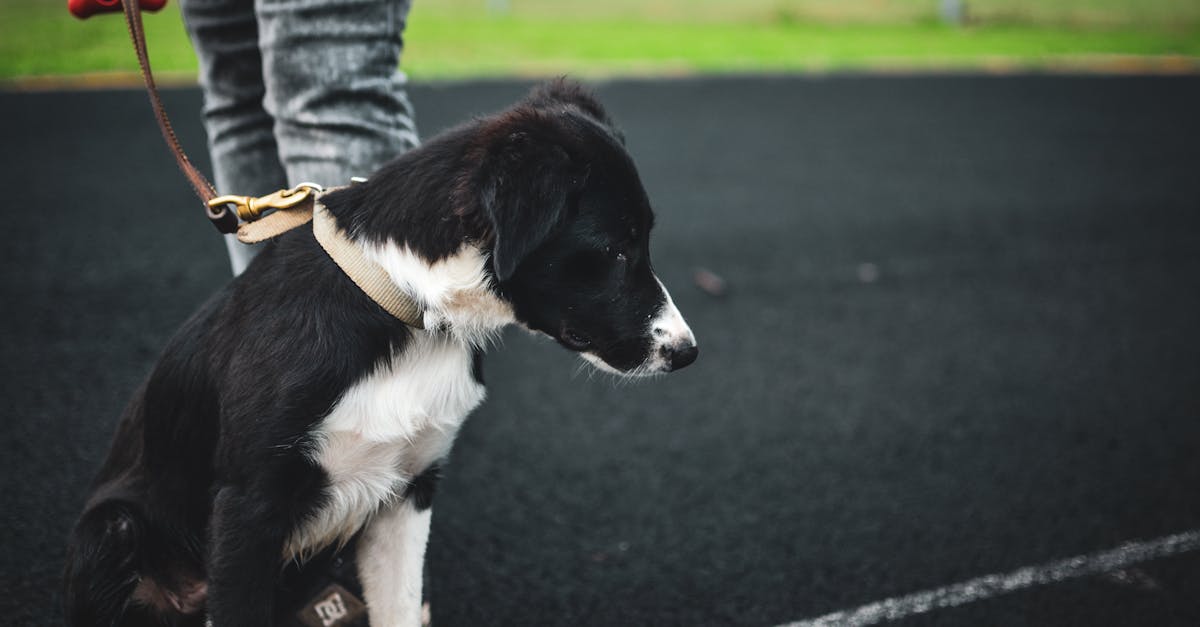
Puppy kindergarten classes serve two critical functions: structured socialization during the critical developmental window, and foundation training in a distraction-rich environment. A GOOD puppy class can set your puppy up for a lifetime of confidence and learning. A BAD puppy class can create lasting fear, teach bullying behavior, or instill incorrect training principles that take months to undo.
What Good Puppy Classes Include
- Structured play periods: Off-leash puppy play in age/size-appropriate groups with instructor oversight. Play is interrupted and redirected when it becomes inappropriate.
- Foundation skills: Sit, down, name recognition, basic recall, handling/grooming acceptance
- Socialization exercises: Novel surfaces, sounds, objects introduced in positive ways
- Owner education: Body language reading, management advice, house training troubleshooting
- Pass/fail play assessments: Instructor identifies puppies that are overwhelmed or bullying and adjusts groups
Green Flags in a Puppy Class
- Small class size (4-8 puppies per instructor)
- Puppies grouped by size/age/play style
- Instructor intervenes when play becomes one-sided or too rough
- Force-free methods only (treats, toys, praise — no corrections)
- Off-leash play is structured and monitored (not a free-for-all)
- Instructor explains the "why" behind exercises
- Quiet puppies are protected and given space (not forced into play)
- Vaccination requirements for all attendees
Red Flags (Leave Immediately)
- Free-for-all play with no instructor intervention (even when one puppy is clearly overwhelmed)
- Puppies crying/hiding and instructor says "they need to work it out"
- Use of leash corrections, spray bottles, or "no" markers with puppies
- No size/age grouping (8-week-old Chihuahua with 16-week-old Labrador)
- Instructor uses dominance language ("alpha," "showing them who's boss")
- Large class sizes with insufficient supervision
- No vaccination requirements
Age and Vaccination Balance
The American Veterinary Society of Animal Behavior (AVSAB) position: puppies can begin socialization classes as early as 7-8 weeks, after first vaccination. The risk of behavioral problems from insufficient socialization EXCEEDS the risk of infectious disease in well-managed classes that require vaccination.
- First vaccine at least 7 days before class start
- All puppies in class must meet the same vaccination requirements
- Floor surfaces should be cleanable (no outdoor areas with unknown dog traffic)
- Sick puppies excluded (class policy)
Maximizing the Experience
- Practice homework daily: 5-minute sessions between classes. Skills taught in class need home reinforcement.
- Watch your puppy's body language: Is it engaged and having fun? Or overwhelmed and hiding? Communicate with the instructor if your puppy seems stressed.
- Don't force interaction: A shy puppy watching from your lap is still learning (observational learning is valid socialization).
- Arrive on time: Entering a class already in session is more stimulating/overwhelming than being there from the start.
Frequently Asked Questions
My puppy is 5 months old. Is it too old for puppy class?
Most puppy kindergarten classes accept puppies up to 5-6 months. After that, a basic obedience class (not puppy-specific) is appropriate. Some facilities offer "adolescent" classes for 5-12 month dogs that bridge the gap between puppy class and adult obedience. The socialization window has closed by 5 months, but learning foundation skills in a group environment is still extremely valuable.