
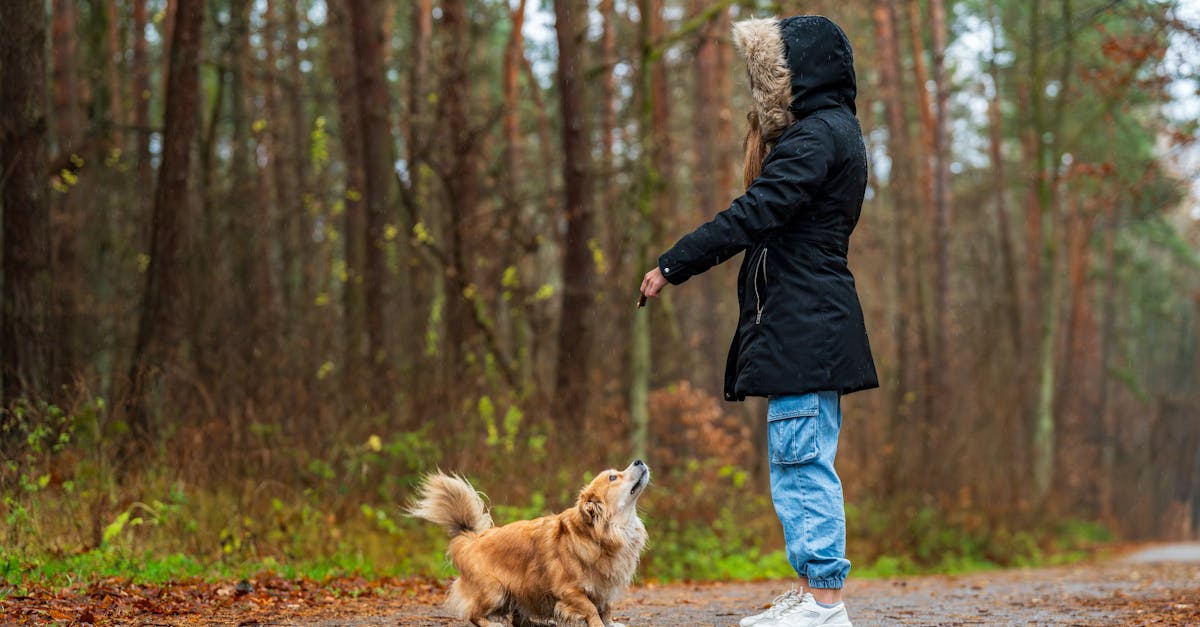
"My dog knows sit perfectly at home but ignores me at the park." This is the most common training frustration — and it's not defiance. Dogs don't generalize well. A "sit" learned in the kitchen is genuinely a different behavior (to the dog's brain) than "sit" in the park with squirrels present. Proofing is the systematic process of teaching the dog that cues mean the same thing in all contexts.
Why Dogs Don't Generalize
- Context-specific learning: Dogs encode the entire environment when learning. "Sit" includes: kitchen, tile floor, you standing in front, no distractions. Change any variable and it's a "new" situation.
- Stimulus control: A behavior isn't truly "on cue" until it occurs reliably across all relevant contexts — not just the one where it was taught.
- Competing motivators: In new/exciting environments, environmental reinforcers (smells, other dogs, squirrels) compete with your reinforcer (treats, praise). Your reward history must outweigh environmental pull.
The Three D's Framework
Every behavior is proofed by systematically increasing THREE variables — only ONE at a time:
| D | Definition | Example Progression |
|---|---|---|
| Duration | How long the behavior is maintained | Sit for 1 sec → 5 sec → 15 sec → 30 sec → 1 min → 5 min |
| Distance | How far you are from the dog during the behavior | Standing next to dog → 1 step → 5 steps → across room → different room |
| Distraction | What environmental stimuli are present during the behavior | Quiet room → TV on → person walking by → another dog visible → squirrel running |
Critical rule: When increasing ONE D, decrease the others. If adding distraction, shorten duration and stay close. If building distance, reduce distraction and keep duration short.
Systematic Generalization Protocol
- Master behavior in Location 1 (where it was taught)
- Teach in Location 2 (different room — usually needs brief re-teaching)
- Location 3 (front yard — more distraction)
- Location 4 (quiet street)
- Location 5+ (park, pet store, training class, friend's house...)
Rule of thumb: Practice in at least 10 different locations before considering a behavior "generalized."
Proofing Recall Specifically
- Recall in house → backyard → front yard → quiet field → moderate park → busy park
- Recall with: no distractions → person walking → other dog at 50ft → other dog at 30ft → squirrel visible → squirrel running
- Each new distraction level: start at easy distance and build
- Use long line for safety until each level is 90%+ reliable
Maintaining Proofed Behaviors
- Variable reinforcement: Once proofed, don't reward every rep — random reinforcement maintains behavior more strongly than continuous
- Life rewards: Door opens (reward for wait), walk continues (reward for loose leash), dinner served (reward for sit)
- Regular practice: "Use it or lose it" — behaviors not regularly performed in various contexts may deteriorate
Frequently Asked Questions
How do I know when a behavior is truly reliable?
The 80% rule: if the dog responds correctly 8 out of 10 times in a given context, you can consider it "reliable" for that context and that distraction level. Below 80% means: go back to easier criteria. Above 90% means: ready to increase difficulty. Note: no behavior is ever 100% reliable in all possible contexts — even highly trained service dogs have occasional failures.