
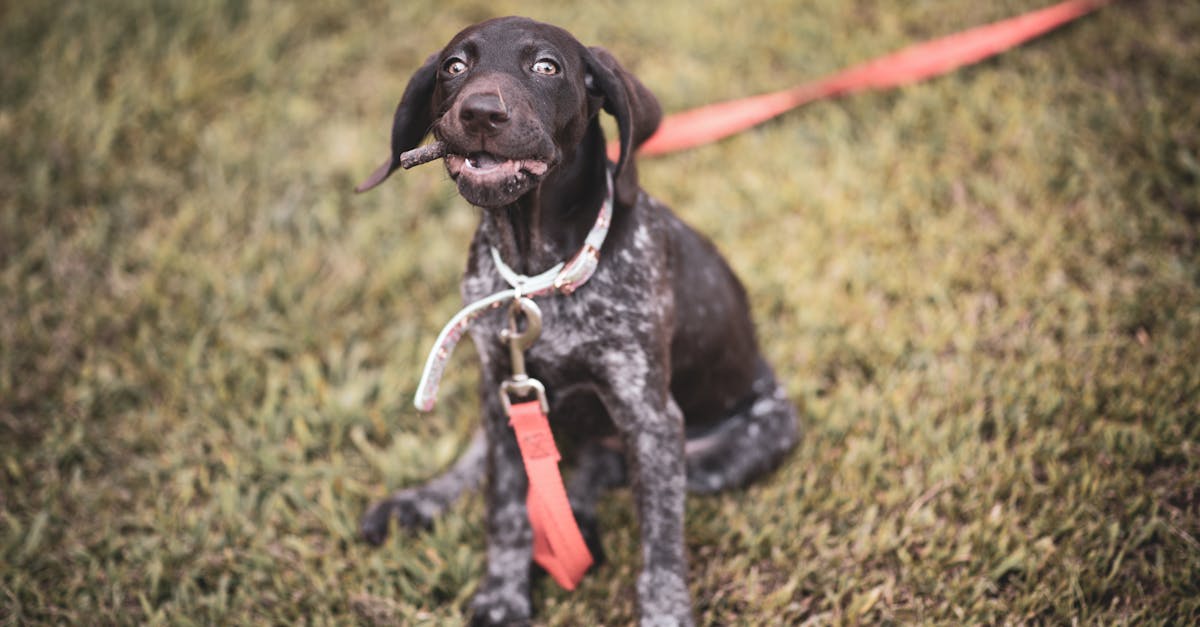
Chewing is a normal, necessary canine behavior — not a "problem" to eliminate but a need to redirect. Dogs chew for stress relief, jaw exercise, dental health, exploration (puppies), and entertainment. Destructive chewing occurs when normal chewing is directed at inappropriate targets because: the dog lacks appropriate alternatives, is bored, is anxious, or hasn't been taught what's acceptable.
Why Dogs Chew (By Age)
| Age | Primary Motivation | Duration |
|---|---|---|
| 8-16 weeks | Exploration (learning about the world through mouth) | Decreases as teething peaks |
| 4-6 months | Teething (adult teeth erupting, gums painful) | Resolves by 7-8 months when adult teeth are in |
| 6-18 months | Adolescent energy + jaw strength development + boredom | Gradually decreases with maturity and appropriate outlets |
| Adult | Stress relief, boredom, habit, dental maintenance | Lifelong need (but appropriate targets if trained) |
Management (Preventing Destruction)
- Puppy-proof ruthlessly: If you don't want it chewed, it shouldn't be accessible. Shoes in closets, remotes in drawers, cords protected or hidden.
- Confinement when unsupervised: Crate or puppy-proofed room with appropriate chews. Dogs can't destroy what they can't reach.
- Supervision when out: Eyes on the dog. Redirect immediately when inappropriate chewing starts.
- 100% management until reliable: The dog should not have unsupervised access to destroyable items until it has consistently chosen appropriate chews for several months.
Providing Appropriate Outlets
- Stuffed Kongs: Filled with treats/peanut butter/wet food and frozen. 15-45 minutes of appropriate chewing.
- Bully sticks: Long-lasting, highly palatable, digestible (unlike rawhide).
- Nylabones/Benebones: Durable chews for power chewers. Multiple textures available.
- Antlers/horns: Very long-lasting but can be too hard for some dogs (tooth fracture risk).
- Rope toys: For supervised chewing only (not safe if dog ingests fiber strands).
- Rubber toys: Kong Extreme (black) for heavy chewers.
Redirection Protocol
- Dog picks up inappropriate item → calmly approach (don't chase — that makes it a game)
- "Trade" for appropriate chew or treat (builds trade habit, prevents guarding)
- If trade doesn't work: interrupt ("Eh!") → redirect to appropriate chew → praise when dog engages with appropriate item
- Make appropriate chews MORE interesting than household items (stuff Kongs, use novel chews, rotate options)
When Chewing Indicates Anxiety
Destructive chewing that occurs ONLY when alone (and targets exit points — doors, windows, crates) suggests separation anxiety rather than normal chewing behavior. SA-related destruction is accompanied by: vocalization, drooling, pacing/restlessness, house soiling — and requires a different treatment approach (see separation anxiety guide).
Frequently Asked Questions
My adult dog still chews furniture. Is something wrong?
Possibly boredom (needs more enrichment/exercise), anxiety (chewing as coping mechanism), or simply insufficient training + management during the critical young-adult period. Increase exercise/enrichment, provide multiple appropriate chew options daily, manage access to inappropriate items, and consider whether anxiety might be a factor. If the behavior is new in a previously non-destructive adult, rule out medical causes (dental pain, cognitive decline).