
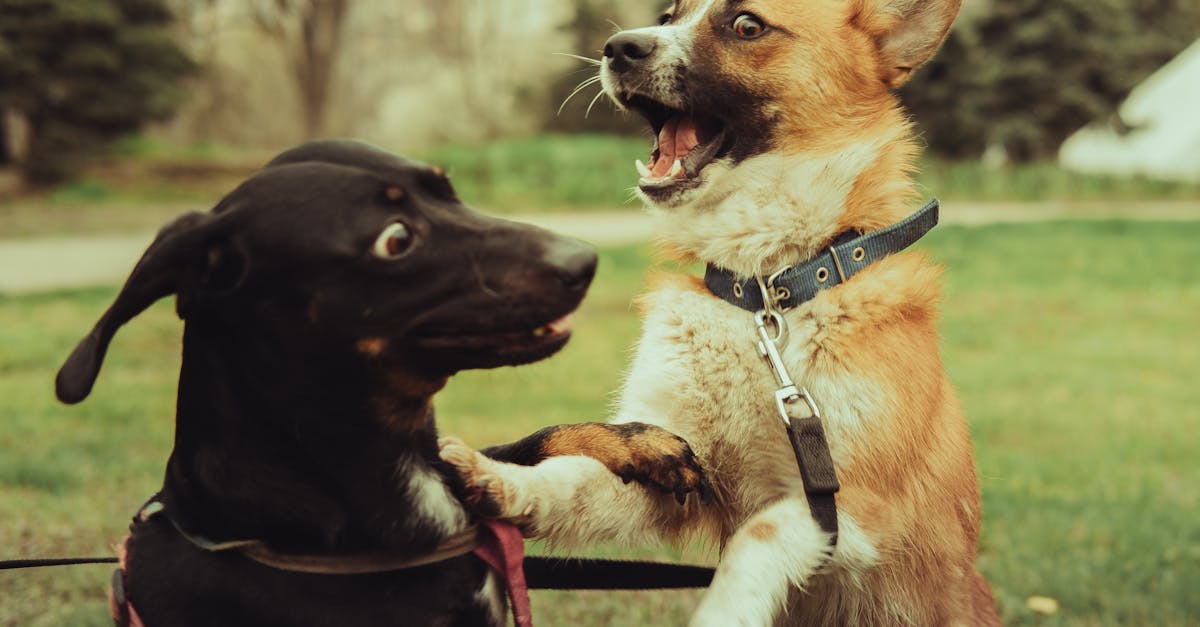
Dog parks can provide wonderful off-leash exercise and social interaction — or they can be overwhelming, dangerous environments that create behavioral problems. The difference lies in: knowing whether YOUR dog is appropriate for dog parks, reading play dynamics in real-time, and being willing to leave when things aren't right.
Table of Contents
Is Your Dog Dog-Park Ready?
- Solid recall: Dog comes when called even during play (you need an exit strategy)
- Good play skills: Takes turns, responds to other dogs' communication, self-handicaps with smaller dogs
- Not reactive: Doesn't fixate on, charge at, or become aggressive toward other dogs
- Not fearful: Doesn't hide, cower, or become overwhelmed by other dogs approaching
- Vaccinated and healthy: Current on vaccines, no parasites, not currently sick
- Spayed/neutered: Intact dogs change the dynamics for everyone (higher arousal, resource competition, mounting)
Dogs That Should NOT Go to Dog Parks
- Puppies under 4-5 months (incomplete vaccination, easily overwhelmed/traumatized by rude adult dogs)
- Reactive or aggressive dogs (dog parks are NOT socialization — they're advanced-level social skills)
- Fearful dogs (forcing a scared dog into a park worsens fear, doesn't "fix" it)
- Resource guarders (balls, sticks, water bowls become conflict triggers)
- Dogs with predatory behavior toward small dogs
- Sick or immunocompromised dogs
Reading Play: Healthy vs. Unhealthy
| Healthy Play | Unhealthy Interaction |
|---|---|
| Play bows, bouncy movement | Stiff body, fixed stare, stalking approach |
| Role reversal (taking turns chasing) | One dog always being chased/pinned with no reversal |
| Self-handicapping (bigger dog "loses" on purpose) | Bigger dog body-slamming smaller without restraint |
| Pauses/breaks during play | Relentless pursuit without breaks even when other dog tries to stop |
| Loose, relaxed bodies | Tense muscles, raised hackles, hard eyes |
| Mutual engagement (both dogs want to continue) | One dog hiding, trying to leave, or signaling "stop" being ignored |
When to Intervene/Leave
- Your dog is being bullied (hiding under bench, tail tucked, unable to escape)
- Your dog is bullying (fixating on one dog, not responding to that dog's signals to stop)
- General arousal level is escalating (multiple dogs getting tenser, play getting rougher)
- An uncontrolled dog arrives that is charging/body-slamming/fixating
- Your dog stops responding to recall (too aroused = time to leave)
- ANY growling/snapping directed AT you by another dog
Etiquette Rules
- Watch your dog: Phone away. Active supervision. You are responsible for YOUR dog's behavior.
- Pick up poop immediately
- Don't bring food/treats inside the park (triggers resource guarding in other dogs)
- Remove your dog if it's being a bully (even if "it's just playing")
- Ask before approaching other dogs yourself (not all dogs want human attention from strangers)
- Remove resource-guarding triggers: If your dog guards balls, don't bring balls
- Leave if concerned — don't wait for a problem to become a fight
Alternatives to Dog Parks
- Structured playdates with known-compatible dogs
- Sniffspot (private yard rental for off-leash play)
- Long-line walks in open spaces
- Swimming
- Hiking on dog-friendly trails (off-leash where legal)
- Dog daycare with structured play groups and trained staff supervision
Frequently Asked Questions
My dog was attacked at the dog park. Should we go back?
Not immediately. A negative experience can create lasting fear/reactivity. Give your dog time to recover (weeks). Then reintroduce to dogs through controlled, positive one-on-one interactions with known friendly dogs. If your dog shows ongoing fear of other dogs, work with a trainer before considering group environments again.