
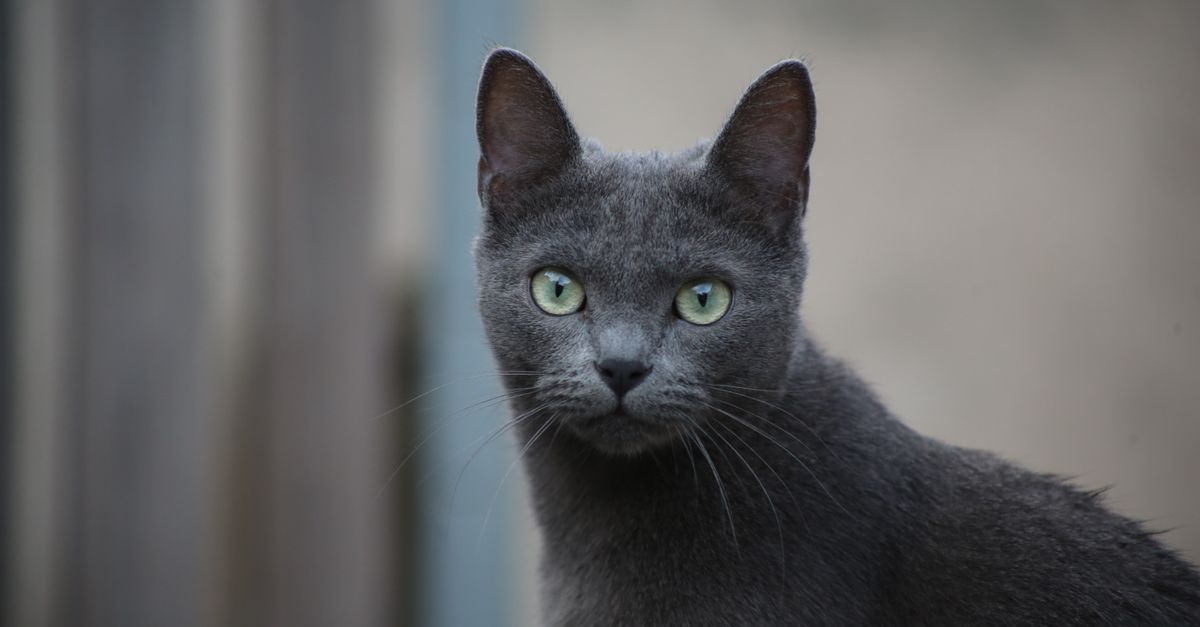
The Russian Blue is the introvert of the cat world -- quiet, reserved with strangers, but deeply devoted to their chosen humans. With their shimmering silver-blue coat, vivid green eyes, and gentle Mona Lisa smile, they are both beautiful and mysterious. For people who want a loyal but undemanding companion, the Russian Blue is perfection.
Table of Contents
Breed Overview
| Trait | Details |
|---|---|
| Origin | Russia (Arkhangelsk/Archangel Islands) |
| Weight | 7-12 lbs (3.2-5.4 kg) |
| Lifespan | 15-20 years (one of the longest-lived) |
| Coat | Short, dense, double coat -- silver-tipped blue |
| Eyes | Vivid green (develops with age) |
| Activity Level | Moderate -- playful but not demanding |
| Vocalization | Very quiet -- one of the most silent breeds |
The Shimmering Coat
- Each hair is blue (gray) with silver tips, creating a luminous shimmer
- Double coat is extremely dense -- feels plush, like seal fur
- Stands away from body due to density
- Produces less Fel d 1 protein than most breeds (better for some allergy sufferers)
- Very low shedding for a dense-coated breed
Personality
- Shy with strangers: Will hide when guests arrive. Takes time to warm up to new people.
- Intensely devoted to family: Once bonded, they are loyal and affectionate companions
- Routine-dependent: Thrive on predictability. Changes in schedule cause stress.
- Quiet: Extremely low vocalization. Communicate with body language more than voice.
- Sensitive: Pick up on human emotions. Will comfort you when sad.
- Intelligent: Quick learners, enjoy puzzle toys and fetch
- One-person tendency: Often bond most strongly with one family member
Hypoallergenic Claims
Russian Blues produce less Fel d 1 allergen than average cats. However:
- They are NOT truly hypoallergenic -- no cat is
- Some allergy sufferers tolerate Russian Blues better than other breeds
- Always spend time with the breed before committing if you have allergies
- Individual variation exists within the breed
Health Profile
- Generally very healthy: Few breed-specific genetic issues
- Obesity risk: Love food and will overeat if free-fed
- Bladder stones: Some predisposition -- ensure adequate water intake
- Longevity: Commonly live 15-20 years with good care
Care Requirements
- Grooming: Minimal -- weekly brushing sufficient
- Environment: Quiet home preferred. Not ideal for chaotic households.
- Diet: Monitor portions carefully -- they gain weight easily
- Enrichment: Puzzle feeders, interactive toys, scheduled play
Frequently Asked Questions
Are Russian Blues really good for people with allergies?
They MAY be better tolerated than average -- research suggests they produce lower levels of Fel d 1. But "lower" is not "none." About 60% of cat-allergic people report fewer symptoms with Russian Blues compared to other breeds. Always do an extended trial visit before adopting. If your allergies are severe, no cat breed is truly safe.