
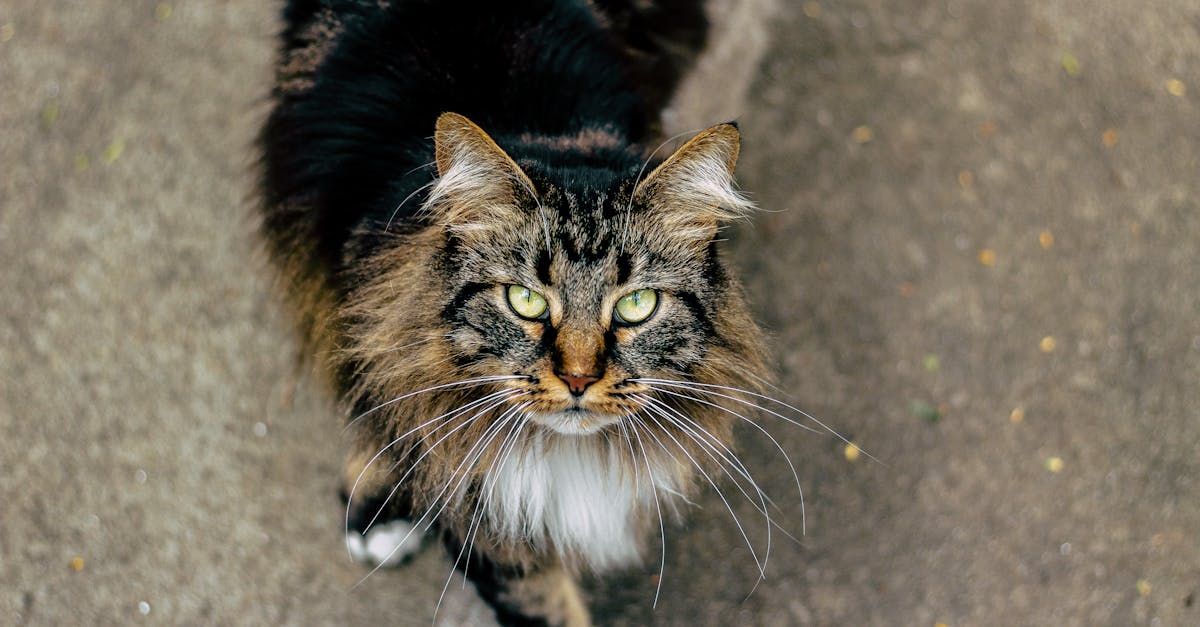
The Norwegian Forest Cat -- affectionately called "Wegie" -- is a natural breed forged by centuries of Scandinavian winters. These magnificent cats carry the rugged beauty of Norse mythology: thick double coats, tufted ears, and the climbing ability of a mountain goat wrapped in the body of a fluffy, gentle giant.
Table of Contents
Breed Overview
| Trait | Details |
|---|---|
| Origin | Norway, natural breed (possibly 1000+ years old) |
| Weight | Males: 12-16 lbs; Females: 8-12 lbs |
| Lifespan | 14-16 years |
| Coat | Long, waterproof double coat with dense undercoat |
| Activity Level | Moderate -- active but not hyperactive |
| Climbing | Exceptional -- can climb down trees headfirst |
Viking Heritage
- Believed to be the "skogkatt" (forest cat) of Norse mythology
- Legends say they pulled the goddess Freya's chariot
- Likely traveled with Vikings on ships as mousers
- Naturally evolved for harsh Scandinavian winters
Norwegian Forest Cat vs Maine Coon
| Feature | Norwegian Forest Cat | Maine Coon |
|---|---|---|
| Face shape | Triangular, straight profile | Square muzzle, concave profile |
| Ears | Medium, set on side of head | Large, set high on head |
| Coat texture | Glossy, waterproof outer coat | Shaggy, uneven coat |
| Body type | Sturdy, equal proportions | Long, rectangular |
| Personality | More independent, reserved | More dog-like, social |
Personality
- Independent but affectionate: Enjoy companionship on their own terms
- Patient: Excellent with children -- tolerant and gentle
- Climbers: Unique ability to climb DOWN trees headfirst (strong hind claws)
- Seasonal energy: More active in cooler weather, lazier in summer
- Quiet: Soft voice, not demanding
- Slow to trust: Reserved with strangers, deeply bonded to family
The Waterproof Coat
- Outer coat is glossy, water-resistant guard hairs
- Dense woolly undercoat provides insulation
- Ruff around neck, tufted ears and paws (snowshoe effect)
- "Knickerbockers" -- longer fur on hind legs
- Sheds undercoat dramatically in spring ("blowing coat")
- Grooming: 2-3 times weekly; daily during spring shed
Health Considerations
- Glycogen Storage Disease IV: Fatal genetic disease. DNA test available and mandatory for ethical breeders.
- Hypertrophic Cardiomyopathy: Screening recommended
- Hip Dysplasia: Possible in larger specimens
- Generally robust: Natural breed with fewer genetic issues than many pedigrees
Frequently Asked Questions
Can Norwegian Forest Cats live in warm climates?
Yes, but they adapt their coat. In warmer climates, the undercoat thins significantly and the overall coat becomes shorter (though never truly "short"). They shed more in warm areas. Air conditioning helps. Avoid outdoor access during extreme heat. Many Wegies live happily in warm climates like California, Texas, and even tropical regions with proper indoor temperature management.