
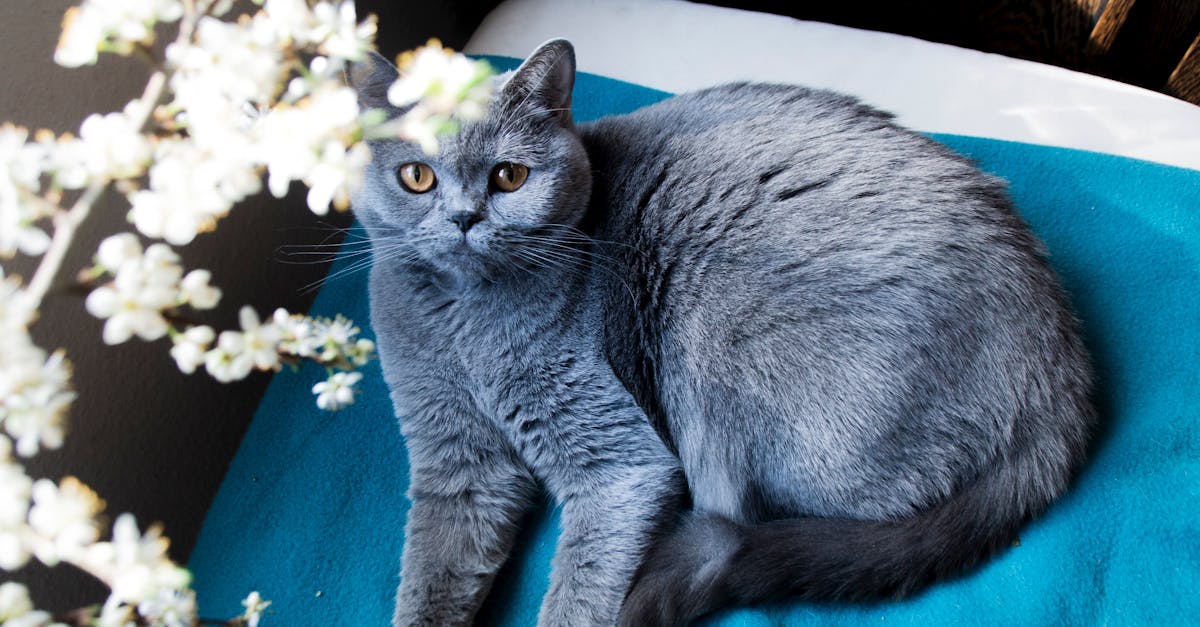
The British Shorthair is the teddy bear of the cat world -- round face, dense plush coat, copper eyes, and a personality that is calm, dignified, and undemanding. They are the most popular pedigree cat in the UK and rapidly gaining worldwide popularity for their easy-going nature and substantial, huggable build.
Breed Overview
| Trait | Details |
|---|---|
| Origin | Great Britain, one of the oldest English breeds |
| Weight | Males: 12-18 lbs; Females: 8-14 lbs |
| Lifespan | 12-20 years |
| Coat | Short, dense, plush -- "crisp" texture |
| Classic Color | "British Blue" (gray-blue with copper eyes) |
| Activity Level | Low-moderate -- calm but playful in bursts |
| Shedding | Moderate -- seasonal increases |
Personality
- Independent but affectionate: They love being near you but are not clingy. Will sit beside you, not on you.
- Calm and dignified: Not the cat zooming around at 3 AM. They are composed, quiet, and predictable.
- Good with everyone: Tolerant of children, other cats, and dogs. Not easily stressed.
- Not lap cats (usually): They prefer sitting NEXT to you rather than ON you. Do not pick them up constantly -- they dislike being held.
- Quiet: Low vocalization. Soft, polite meows when needed.
- Slow to mature: Full physical maturity at 3-5 years. Personality mellows with age.
The "British Blue"
While BSH come in many colors, the iconic "British Blue" is the most popular:
- Solid blue-gray coat with no tabby markings
- Deep copper or orange eyes
- Pink nose and paw pads
- Dense, plush texture -- like petting a stuffed animal
Other popular colors: lilac, cream, black, white, tabby, colorpoint, bicolor, chinchilla.
Care Requirements
- Grooming: Weekly brushing sufficient. Dense coat does not mat easily.
- Exercise: Moderate play needed. BSH can be prone to weight gain -- interactive play helps.
- Diet: Watch calories carefully. This breed gains weight easily, especially after neutering.
- Space: Adaptable to apartments due to low activity level.
Health Considerations
- Hypertrophic Cardiomyopathy (HCM): Screening recommended for breeding cats
- Polycystic Kidney Disease (PKD): DNA test available
- Obesity: Major concern -- they love food and are not naturally active
- Hemophilia B: Genetic clotting disorder in some lines
Frequently Asked Questions
Why do British Shorthairs not like being picked up?
BSH are ground-oriented cats who prefer having all four paws on a surface. Being lifted removes their sense of control. This is a breed trait, not a lack of affection -- they show love by sitting near you, head-bumping, and slow-blinking. Respect their preference and they will reward you with years of loyal, calm companionship beside you (just not on you).