
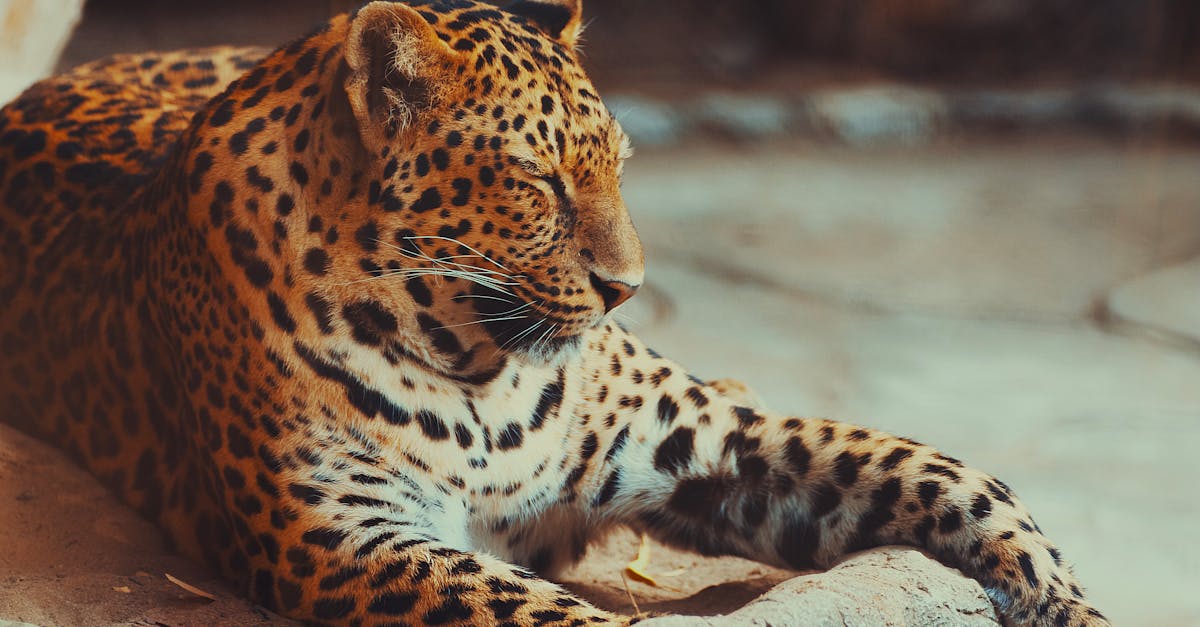
Bengal cats are what happens when wild beauty meets domestic companionship -- a breed that looks like a miniature leopard but (usually) acts like an extremely energetic, intelligent, mischievous house cat. Developed from crossing Asian Leopard Cats with domestics, Bengals are not for the faint-hearted.
Table of Contents
Breed Overview
| Trait | Details |
|---|---|
| Origin | USA, 1960s (Asian Leopard Cat x domestic cross) |
| Weight | 8-15 lbs (3.6-6.8 kg) |
| Lifespan | 12-16 years |
| Coat | Short, dense, uniquely "glittered" -- feels like silk |
| Patterns | Spotted (rosettes) or marble |
| Activity Level | Extremely high -- one of the most active breeds |
| Vocalization | Moderate-high -- chirps, chatters, and yells |
The Wild Heritage
Bengals are categorized by generation from wild ancestor:
- F1-F3: "Foundation" Bengals -- closer to wild, often restricted. Not recommended as pets.
- F4+: "Domestic" Bengals -- four or more generations from wild. These are the cats sold as pets.
- Modern pet Bengals are fully domestic in temperament but retain the wild appearance and high energy.
Personality: The Reality
- EXTREMELY active: Bengals need 30-60 minutes of active play daily. Without it, they become destructive.
- Water lovers: Many Bengals love water -- playing in sinks, joining showers, dipping paws in water bowls.
- Climbers: They will be on top of everything. Refrigerators, door frames, bookshelves. Vertical space is mandatory.
- Intelligent: Can learn tricks, walk on leashes, open cabinets, and outsmart childproof locks.
- Destructive if bored: A bored Bengal will shred furniture, knock things over, and find creative ways to cause chaos.
- Affectionate on their terms: They bond strongly but are not typically lap cats. They prefer being NEAR you, not ON you.
Care Requirements
- Exercise: Multiple play sessions daily. Interactive toys, puzzle feeders, cat wheels.
- Space: Large cat trees, wall shelves, enclosed outdoor spaces (catios) ideal.
- Mental stimulation: Puzzle toys, training sessions, new toys rotated regularly.
- Grooming: Minimal -- short coat requires only occasional brushing.
- Leash training: Many Bengals take well to harness walking for outdoor enrichment.
Health Considerations
- Hypertrophic Cardiomyopathy (HCM): Screen breeding cats. Annual echo recommended.
- Progressive Retinal Atrophy (PRA): DNA test available. Causes blindness.
- Flat Chested Kitten Syndrome: More common in Bengal kittens.
- Sensitive stomachs: Many Bengals do best on raw or grain-free diets.
Who Should NOT Get a Bengal
- People wanting a calm, quiet lap cat
- Those away from home 10+ hours daily
- Small apartment dwellers without vertical space
- Families unwilling to commit to daily interactive play
- People who value pristine furniture
Frequently Asked Questions
Are Bengals legal everywhere?
Not always. Some states, cities, and countries restrict or ban Bengal ownership (especially F1-F3 generations). New York City, Hawaii, and some Australian states have restrictions. Always check local laws before purchasing. F4+ generation Bengals (standard pet Bengals) are legal in most places, but verify with your local municipality.