
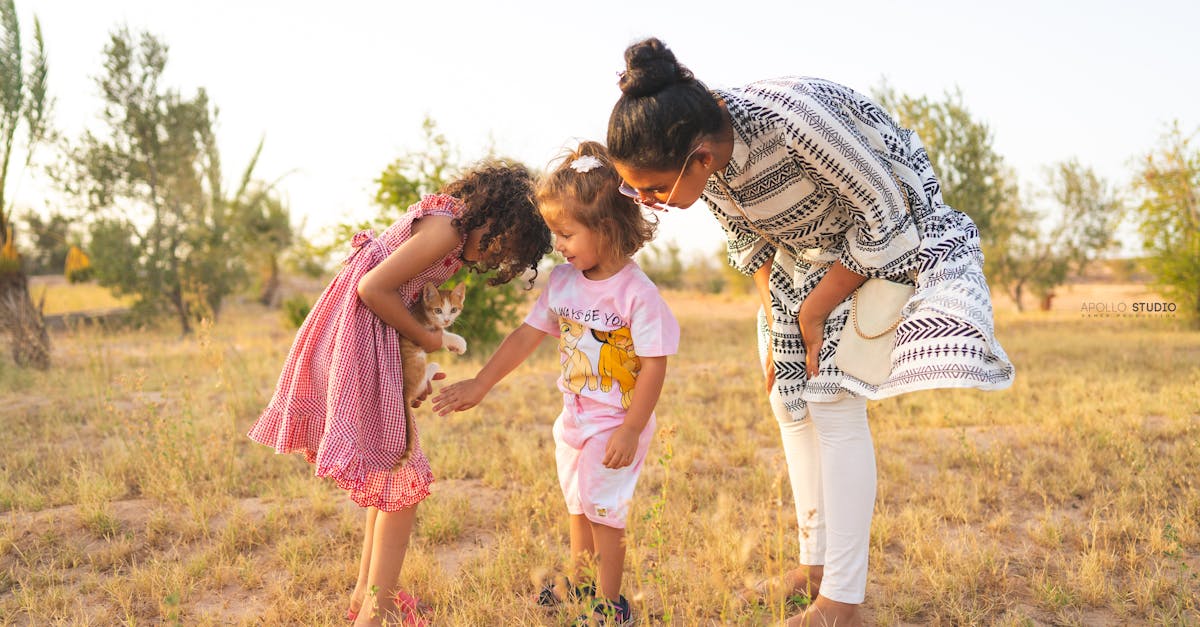
The best family cats combine patience, tolerance, playfulness, and enough sturdiness to handle the enthusiastic love of children. Not every cat breed thrives with kids -- some are too delicate, too nervous, or too independent. These 10 breeds consistently excel in family environments.
Table of Contents
- Top 10 Family-Friendly Breeds
- 1. Ragdoll -- The Best Overall Family Cat
- 2. Maine Coon -- The Gentle Giant
- 3. Birman -- The Sweet Companion
- 4. Burmese -- The Playful Partner
- 5. British Shorthair -- The Patient Bear
- 6. Abyssinian -- The Active Adventurer
- 7. Scottish Fold -- The Adaptable Sweetie
- 8. American Shorthair -- The Easy All-Rounder
- 9. Exotic Shorthair -- The Calm Cuddler
- 10. Siberian -- The Hypoallergenic Family Cat
- Teaching Children Cat Respect
- Frequently Asked Questions
- At what age can a child safely interact with a cat?
Top 10 Family-Friendly Breeds
1. Ragdoll -- The Best Overall Family Cat
- Extremely gentle, goes limp when held (safe with small children)
- Patient, tolerant, never aggressive
- Large enough to handle slightly rough play
- Floor-oriented -- less likely to scratch from high perches
2. Maine Coon -- The Gentle Giant
- Large, sturdy, tolerant of handling
- Playful and interactive -- loves games with children
- Patient and gentle despite massive size
- Dog-like -- follows children around protectively
3. Birman -- The Sweet Companion
- Gentle, calm, not easily stressed
- Affectionate without being overwhelming
- Good with children of all ages
- Manageable coat for families with busy schedules
4. Burmese -- The Playful Partner
- Loves interactive play -- perfect playmate for kids
- Social, friendly, seeks out human companionship
- Sturdy, muscular body handles rough play
- Dog-like personality appeals to dog-loving kids
5. British Shorthair -- The Patient Bear
- Calm, tolerant, not easily provoked
- Sturdy build handles children well
- Independent enough to retreat when needed
- Low-maintenance grooming for busy families
6. Abyssinian -- The Active Adventurer
- Matches children's energy levels perfectly
- Loves interactive games and exploration
- Intelligent -- kids can teach them tricks
- Not ideal for toddlers (too fast, prefer active older children)
7. Scottish Fold -- The Adaptable Sweetie
- Sweet, adaptable, handles chaos well
- Good with children of all ages
- Moderate energy matches most family lifestyles
8. American Shorthair -- The Easy All-Rounder
- Healthy, low-maintenance, adaptable
- Patient with children
- Good mouser (kids love watching the hunt)
- Longest-lived -- grows up with the kids
9. Exotic Shorthair -- The Calm Cuddler
- Gentle, sweet, Persian personality without grooming demands
- Good with calm, gentle children
- Not ideal for rough-and-tumble play
10. Siberian -- The Hypoallergenic Family Cat
- Lower allergen production -- good for allergic family members
- Playful, dog-like, loves children
- Sturdy, large, handles play well
Teaching Children Cat Respect
- Gentle hands: Show children how to pet softly -- head, cheeks, chin
- Reading body language: Teach tail swishing, flattened ears, and hissing as "leave me alone"
- Safe spaces: Cats need escape routes and child-free zones
- No chasing: Let the cat approach the child, not vice versa
- Supervised introductions: Always supervise young children with any cat
Frequently Asked Questions
At what age can a child safely interact with a cat?
Supervised interaction can begin at any age. Children under 5 should always be supervised -- they lack the motor control and impulse control to handle cats gently. By age 6-7, most children can be taught to respect cat boundaries independently. Kittens are NOT recommended for families with toddlers -- adult cats are calmer, more tolerant, and less fragile.