
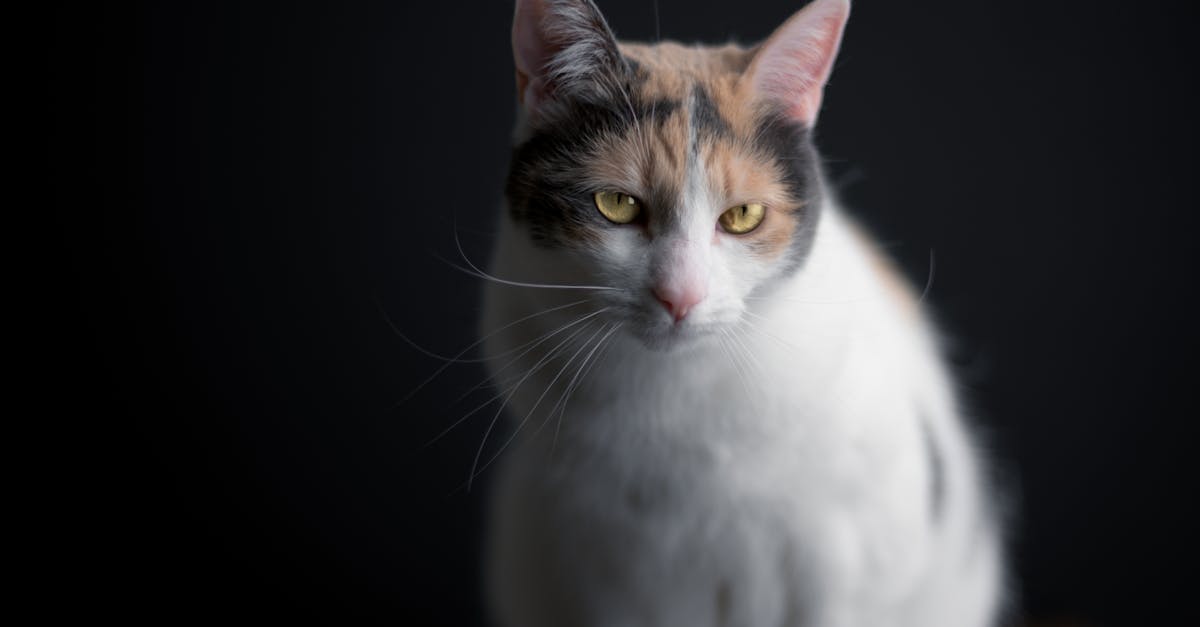
The Japanese Bobtail is one of the oldest natural cat breeds in Japan -- and the inspiration behind the famous "maneki-neko" (beckoning cat) figurines seen in Japanese businesses worldwide. With their distinctive pom-pom tail, tricolor calico pattern, and energetic personality, Japanese Bobtails carry centuries of cultural significance in every bounce.
Breed Overview
| Trait | Details |
|---|---|
| Origin | Japan, ancient natural breed (1000+ years) |
| Weight | 5-10 lbs (2.3-4.5 kg) |
| Lifespan | 9-15 years |
| Coat | Short or long, silky, minimal undercoat |
| Distinctive Feature | Short "bunny" tail (each one unique) |
| Classic Pattern | "Mi-ke" (calico -- three colors: red, black, white) |
| Activity Level | High -- playful, athletic, vocal |
The Unique Tail
- Each tail is unique -- like a fingerprint, no two are alike
- Caused by a recessive gene (different from Manx -- NOT related)
- Composed of one or more curves, angles, or kinks
- Usually 2-4 inches long, fur fans out to create a "pom-pom" effect
- Unlike Manx, the Bobtail gene does NOT cause spinal problems
- Tail is fully flexible and expressive
The Maneki-Neko Connection
The famous "lucky cat" figurine (waving cat seen in Japanese businesses) is modeled after the Japanese Bobtail, specifically the mi-ke (calico) pattern:
- Right paw raised: attracts money and fortune
- Left paw raised: attracts customers and visitors
- Both paws: ultimate protection
- The mi-ke calico Bobtail is considered especially lucky in Japanese culture
Personality
- Active and athletic: Love jumping, running, playing fetch
- Vocal: Known for a melodic, singing voice -- they "chirp" and "sing"
- Social: Great with children, other cats, and visitors
- Intelligent: Quick learners, enjoy puzzle toys and interactive games
- Confident: Bold, curious, not easily frightened
- Travel-friendly: Adapt well to new environments and car rides
Health Considerations
- Extremely healthy: One of the healthiest pedigree breeds
- No tail-related spinal issues: Unlike Manx, the Bobtail gene is safe
- Longevity: Robust breed with few genetic predispositions
Frequently Asked Questions
Is a Japanese Bobtail the same as a Manx?
No -- completely different breeds with different genetics. The Manx taillessness is caused by a dominant gene that also affects the spine (potentially causing Manx Syndrome). The Japanese Bobtail tail is caused by a completely different recessive gene that only affects tail length with no spinal complications. Manx are round and stocky; Bobtails are lean and athletic. The only similarity is a short/absent tail.