
Nutrition

Summer Hydration Tips for Dogs in Hot Weather

Summer Hydration Tips for Dogs in Hot Weather

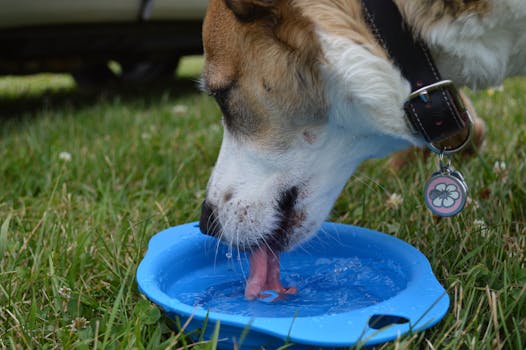
Summer is here, and while you enjoy the sunshine, your furry friend needs extra attention to stay safe in the heat. Proper hydration is the cornerstone of your dog's health during hot weather, and without it, even a short play session can lead to serious issues. These summer hydration tips for dogs will help you keep your pup cool, comfortable, and healthy all season long. From recognizing early signs of dehydration to creative ways to encourage drinking, this guide covers everything you need to know.

Why Hydration Matters More in Summer

Dogs regulate their body temperature primarily through panting and limited sweating through their paw pads. In hot weather, they lose water rapidly through evaporation and panting, making them more prone to dehydration than humans. Water is essential for digestion, joint lubrication, nutrient absorption, and organ function. Without adequate hydration, your dog can suffer from heat exhaustion, heatstroke, or even organ failure. Furthermore, older dogs, brachycephalic breeds (like pugs and bulldogs), and those with thick coats are especially vulnerable. Understanding the science behind canine hydration will help you take proactive measures when the mercury rises.

How Much Water Does Your Dog Need?

A general rule of thumb is that dogs need about 1 ounce of water per pound of body weight per day. However, this requirement increases significantly in hot weather or after exercise. For example, a 50-pound dog needs at least 50 ounces (about 6.25 cups) daily, but on a scorching day, that amount may double. Factors like activity level, coat type, and age also play a role. Puppies and nursing mothers require even more water. Always provide fresh, cool water in a clean bowl, and consider placing multiple water stations around your home and yard. Additionally, if your dog is eating dry kibble, they will need more water compared to those on a wet food diet.

Signs of Dehydration in Dogs

Recognizing the early symptoms of dehydration can prevent a medical emergency. Watch for these red flags:

  • Lethargy or unusual tiredness after minimal activity
  • Dry, sticky gums instead of moist and slick
  • Loss of skin elasticity (gently pinch the skin on the back of the neck; if it doesn't snap back quickly, your dog may be dehydrated)
  • Sunken eyes or a dull expression
  • Thick, stringy saliva
  • Reduced urination or dark urine
  • Excessive panting or drooling

If you notice any combination of these symptoms, offer water immediately and move your dog to a cool, shaded area. For severe cases—such as collapse, vomiting, or unresponsiveness—seek veterinary care right away.

Actionable Tips to Keep Your Dog Hydrated

Keeping your dog hydrated doesn't have to be a chore. Here are practical, effective strategies to ensure your pup drinks enough water:

1. Make Water Easily Accessible

Place multiple water bowls throughout your home, yard, and even carry a portable one during walks. Refresh the water at least twice a day, and rinse bowls daily to prevent bacteria growth. Some dogs prefer running water, so consider a pet water fountain to encourage drinking.

2. Add Flavor to Water

If your dog is a picky drinker, add a splash of low-sodium chicken or beef broth (no onion or garlic) to their water. Alternatively, blend a few pieces of watermelon (without seeds) or cucumber into ice cubes for a tasty, hydrating treat.

3. Offer Hydrating Treats

Frozen treats are a fun way to increase fluid intake. Try these ideas:

  • Freeze plain yogurt (unsweetened, xylitol-free) mixed with blueberries in ice cube trays
  • Make popsicles with diluted broth or pureed fruits like strawberries and bananas
  • Give frozen slices of cucumber or apple (without seeds)

Always introduce new foods in moderation to avoid digestive upset.

4. Use Interactive Toys

Water-dispensing puzzle toys or Kongs filled with wet food and frozen can keep your dog entertained while drinking. This is especially helpful for dogs who get distracted or forget to drink during play.

Hydrating Foods to Add to Your Dog's Diet

Incorporating water-rich foods into meals is another effective hydration strategy. Many fruits and vegetables are safe for dogs and provide moisture along with vitamins. Good options include:

  • Watermelon (seedless, rind removed) – over 90% water
  • Cucumber – crisp and hydrating
  • Zucchini – low-calorie and water-rich
  • Strawberries – packed with antioxidants and water
  • Cantaloupe – but remove seeds and rind

Additionally, consider switching to wet or semi-moist dog food during hot spells, as it contains up to 80% moisture compared to 10% in dry kibble. However, be sure to adjust portion sizes to avoid overfeeding.

What NOT to Do: Common Hydration Mistakes

Even well-intentioned owners can make errors. Avoid these pitfalls to keep your dog safe:

  • Never leave water bowls in direct sunlight, as they can heat up and become unappealing or even cause burns.
  • Do not let your dog gulp water excessively after heavy exercise. This can lead to bloat or water intoxication. Instead, offer small amounts every few minutes.
  • Avoid ice cubes for very small dogs or those with dental issues, as they can chip teeth. Stick to crushed ice or frozen treats instead.
  • Do not add sugary drinks, sports drinks, or alcohol to water. These can cause stomach upset or more serious health issues.
  • Never restrict water as a training tool. Water should always be available, especially in summer.

Fun Summer Hydration Ideas for Active Dogs

Just because it's hot doesn't mean playtime has to stop. Adapt your activities to include hydration breaks. For instance, set up a kiddie pool filled with a few inches of cool water for splashing. You can also use a sprinkler to create a water-play zone. Another idea is to freeze a large container of water with a few toys inside and let your dog lick the ice block as a cooling challenge. Always supervise water play to ensure safety. Additionally, schedule walks during the cooler parts of the day—early morning or late evening—and bring a collapsible water bowl and fresh water. A good rule is to stop for water breaks every 10 to 15 minutes.

Conclusion

Keeping your dog properly hydrated during summer doesn't require complicated routines—just consistent attention and a little creativity. By recognizing the signs of dehydration, providing ample fresh water, adding hydrating foods and treats, and avoiding common mistakes, you can ensure your dog stays happy and healthy through the hottest months. Remember, prevention is always better than treatment. Implement these summer hydration tips for dogs today, and you'll both enjoy a safer, more comfortable season. If you ever have doubts about your dog's health, consult your veterinarian for personalized advice.

Share: Facebook Twitter Pinterest

Pet Care Team

Pet Care Expert

Expert in pet care with years of experience helping pet owners make informed decisions about their furry friends.

← Previous High-Fiber Foods for Dogs with Digestive Issues Next → Homemade Dog Food Recipes Safety Tips and Balanced Meals
We use cookie to improve your online experience. By continuing to browse this website, you agree to our use of cookie.

Cookies

Please read our Terms and Conditions and this Policy before accessing or using our Services. If you cannot agree with this Policy or the Terms and Conditions, please do not access or use our Services. If you are located in a jurisdiction outside the European Economic Area, by using our Services, you accept the Terms and Conditions and accept our privacy practices described in this Policy.
We may modify this Policy at any time, without prior notice, and changes may apply to any Personal Information we already hold about you, as well as any new Personal Information collected after the Policy is modified. If we make changes, we will notify you by revising the date at the top of this Policy. We will provide you with advanced notice if we make any material changes to how we collect, use or disclose your Personal Information that impact your rights under this Policy. If you are located in a jurisdiction other than the European Economic Area, the United Kingdom or Switzerland (collectively “European Countries”), your continued access or use of our Services after receiving the notice of changes, constitutes your acknowledgement that you accept the updated Policy. In addition, we may provide you with real time disclosures or additional information about the Personal Information handling practices of specific parts of our Services. Such notices may supplement this Policy or provide you with additional choices about how we process your Personal Information.


Cookies

Cookies are small text files stored on your device when you access most Websites on the internet or open certain emails. Among other things, Cookies allow a Website to recognize your device and remember if you've been to the Website before. Examples of information collected by Cookies include your browser type and the address of the Website from which you arrived at our Website as well as IP address and clickstream behavior (that is the pages you view and the links you click).We use the term cookie to refer to Cookies and technologies that perform a similar function to Cookies (e.g., tags, pixels, web beacons, etc.). Cookies can be read by the originating Website on each subsequent visit and by any other Website that recognizes the cookie. The Website uses Cookies in order to make the Website easier to use, to support a better user experience, including the provision of information and functionality to you, as well as to provide us with information about how the Website is used so that we can make sure it is as up to date, relevant, and error free as we can. Cookies on the Website We use Cookies to personalize your experience when you visit the Site, uniquely identify your computer for security purposes, and enable us and our third-party service providers to serve ads on our behalf across the internet.

We classify Cookies in the following categories:
 ●  Strictly Necessary Cookies
 ●  Performance Cookies
 ●  Functional Cookies
 ●  Targeting Cookies


Cookie List
A cookie is a small piece of data (text file) that a website – when visited by a user – asks your browser to store on your device in order to remember information about you, such as your language preference or login information. Those cookies are set by us and called first-party cookies. We also use third-party cookies – which are cookies from a domain different than the domain of the website you are visiting – for our advertising and marketing efforts. More specifically, we use cookies and other tracking technologies for the following purposes:

Strictly Necessary Cookies
These cookies are necessary for the website to function and cannot be switched off in our systems. They are usually only set in response to actions made by you which amount to a request for services, such as setting your privacy preferences, logging in or filling in forms. You can set your browser to block or alert you about these cookies, but some parts of the site will not then work. These cookies do not store any personally identifiable information.

Functional Cookies
These cookies enable the website to provide enhanced functionality and personalisation. They may be set by us or by third party providers whose services we have added to our pages. If you do not allow these cookies then some or all of these services may not function properly.

Performance Cookies
These cookies allow us to count visits and traffic sources so we can measure and improve the performance of our site. They help us to know which pages are the most and least popular and see how visitors move around the site. All information these cookies collect is aggregated and therefore anonymous. If you do not allow these cookies we will not know when you have visited our site, and will not be able to monitor its performance.

Targeting Cookies
These cookies may be set through our site by our advertising partners. They may be used by those companies to build a profile of your interests and show you relevant adverts on other sites. They do not store directly personal information, but are based on uniquely identifying your browser and internet device. If you do not allow these cookies, you will experience less targeted advertising.

How To Turn Off Cookies
You can choose to restrict or block Cookies through your browser settings at any time. Please note that certain Cookies may be set as soon as you visit the Website, but you can remove them using your browser settings. However, please be aware that restricting or blocking Cookies set on the Website may impact the functionality or performance of the Website or prevent you from using certain services provided through the Website. It will also affect our ability to update the Website to cater for user preferences and improve performance. Cookies within Mobile Applications

We only use Strictly Necessary Cookies on our mobile applications. These Cookies are critical to the functionality of our applications, so if you block or delete these Cookies you may not be able to use the application. These Cookies are not shared with any other application on your mobile device. We never use the Cookies from the mobile application to store personal information about you.

If you have questions or concerns regarding any information in this Privacy Policy, please contact us by email at . You can also contact us via our customer service at our Site.