
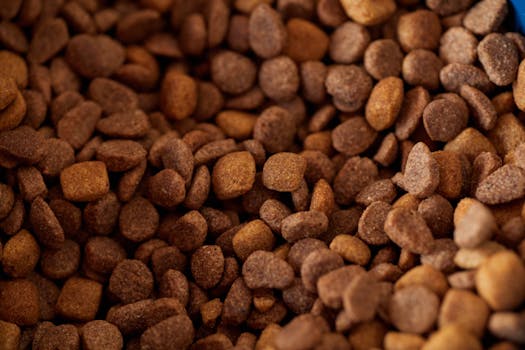
If your dog has been diagnosed with kidney disease, you may feel overwhelmed about how to adjust their diet. The best foods for dogs with kidney disease are carefully formulated to reduce the workload on the kidneys while still providing essential nutrients. A proper renal diet can help slow the progression of the disease, improve your dog’s quality of life, and even extend their lifespan. In this comprehensive guide, we will walk you through the specific dietary changes you need to make, what to look for in commercial foods, and how to prepare homemade meals safely.
Understanding Kidney Disease in Dogs
Kidney disease, also known as renal disease, refers to the gradual loss of kidney function. The kidneys are responsible for filtering waste products from the blood, maintaining fluid balance, and producing hormones. When they fail, toxins build up, leading to symptoms like increased thirst, frequent urination, lethargy, and poor appetite. Diet plays a crucial role in managing these symptoms because it directly influences the amount of waste the kidneys need to process.
There are two main types: acute kidney injury (sudden onset) and chronic kidney disease (CKD), which develops over months or years. For both, dietary management is a cornerstone of treatment. Your veterinarian will stage the disease (typically stages 1-4) to determine the appropriate level of dietary restriction.
Key Nutritional Goals for Dogs with Kidney Disease
When selecting the best foods for dogs with kidney disease, focus on four main areas: controlled protein, reduced phosphorus, manageable sodium, and added omega-3 fatty acids. Each of these components plays a specific role in easing the burden on your dog’s kidneys.
- Moderate but high-quality protein: Too much protein creates excess nitrogen waste. However, your dog still needs some protein to maintain muscle mass. Look for novel or easily digestible proteins like egg whites, chicken breast (in moderation), or hydrolyzed protein sources.
- Low phosphorus: Damaged kidneys cannot excrete phosphorus efficiently, and high levels accelerate kidney damage. Aim for a phosphorus level below 1% on a dry matter basis for early stages, and as low as 0.3-0.6% for advanced stages.
- Sodium restriction: Reduced sodium helps control blood pressure and fluid retention. Avoid high-salt treats and table scraps.
- Omega-3 fatty acids: Found in fish oil, these have anti-inflammatory properties that can reduce kidney inflammation and lower protein loss in urine.
Creating a Kidney-Friendly Feeding Plan
Start by consulting your veterinarian or a veterinary nutritionist. They will help you determine the right calorie intake and adjust for your dog’s body condition. Many commercial renal diets are available, but you can also prepare homemade meals with guidance. Below is a sample list of safe foods commonly included in renal diets:
- Lean meats (chicken, turkey, lean beef) – cooked without salt or seasoning
- Egg whites – low phosphorus, high-quality protein
- White rice or pasta – low in protein and phosphorus
- Cooked carrots, green beans, and pumpkin – low potassium options (potassium levels may be either high or low depending on disease stage; check with your vet)
- Fish oil supplement – for omega-3s (0.5-1 teaspoon per 10-15 lbs body weight, but follow vet dosing)
Furthermore, it is essential to avoid toxic foods like grapes, raisins, onions, garlic, and high-phosphorus ingredients such as organ meats, bones, and dairy products.
Commercial vs. Homemade Diets: Which Is Better?
Both options have pros and cons. Commercial therapeutic renal diets are scientifically formulated to meet all nutritional needs and are the most convenient choice. Brands like Hill’s Prescription Diet k/d, Royal Canin Renal Support, and Purina Pro Plan Veterinary Diet NF are widely recommended by veterinarians. These foods have the exact ratio of protein, phosphorus, and sodium that a dog with kidney disease requires. However, they can be expensive and some dogs may refuse to eat them.
On the other hand, homemade diets allow you to control every ingredient and use fresh, appetizing foods. This can be particularly helpful if your dog has a poor appetite. However, homemade diets must be carefully balanced to prevent deficiencies or imbalances. Working with a veterinary nutritionist is critical because improper homemade diets can cause more harm than good. A typical homemade renal diet recipe might include cooked chicken, white rice, egg whites, a calcium supplement, and fish oil. Never guess the proportions—use a proven recipe from a trusted source.
Actionable Tips for Transitioning to a Renal Diet
Switching your dog’s food abruptly can cause digestive upset. Follow these steps for a smooth transition:
- Mix a small amount of the new renal food (25%) with your dog’s current food (75%) for the first two days.
- Increase the new food to 50% and current food to 50% for the next two days.
- Then use 75% new food and 25% current food for two more days.
- On day seven, offer 100% of the renal diet.
Additionally, if your dog is reluctant to eat, warm the food slightly (to room temperature) to enhance aroma, or add a small amount of low-sodium chicken broth (no onion or garlic). Never force-feed, as stress can worsen kidney function. Provide fresh water at all times; dogs with kidney disease are prone to dehydration.
Monitoring and Adjusting the Diet
Your dog’s condition may change over time, requiring dietary adjustments. Regular blood tests and urinalysis will help your vet track levels of blood urea nitrogen (BUN), creatinine, phosphorus, and potassium. For example, some dogs in later stages may develop hyperkalemia (high potassium) and need to limit potassium-rich foods like potatoes and bananas. Others may have low potassium and need supplements. Always follow your veterinarian’s specific recommendations.
Furthermore, appetite stimulants or anti-nausea medications can be necessary if your dog stops eating. In such cases, a highly palatable renal diet becomes even more important. Some renal diets come in canned or wet form, which can be more enticing and also provide extra moisture—an added benefit for hydration.
Conclusion
Choosing the best foods for dogs with kidney disease is a critical component of managing this chronic condition. By prioritizing high-quality protein in the right amount, restricting phosphorus and sodium, and supplementing with omega-3 fatty acids, you can support your dog’s kidney function and overall health. Whether you opt for a commercial therapeutic diet or a carefully balanced homemade plan, always work closely with your veterinarian. Remember that early intervention and consistent dietary management can make a significant difference in your dog’s comfort and longevity. Start by discussing a renal diet with your vet today, and give your furry friend the best possible care.