
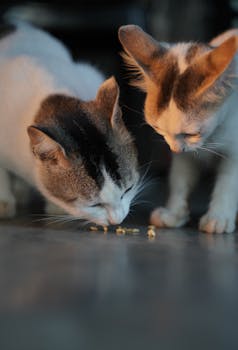
Every cat owner wants their feline friend to thrive, and the foundation of that well-being starts with proper cat nutrition. In fact, diet directly impacts everything from energy levels and coat shine to long-term organ health and disease prevention. If you've ever wondered whether you're feeding your cat the right food or how to decode the confusing ingredients on a bag, this comprehensive guide will give you the knowledge to make informed, healthy choices. Let's dive into the essentials every owner must understand.
Understanding Cat Nutrition Basics
Unlike dogs or humans, cats are obligate carnivores. This means their bodies are biologically designed to derive nutrients primarily from animal tissues. As a result, their digestive system, metabolic pathways, and nutrient requirements are uniquely adapted to a meat-based diet. Protein should be the cornerstone of every cat's meal, providing essential amino acids like taurine and arginine that cannot be synthesized by the feline body. Furthermore, while protein is critical, cats also need specific fats, vitamins, and minerals in precise ratios. However, many commercial diets fall short by relying too heavily on fillers like corn, wheat, or soy. To truly master cat nutrition, you must first acknowledge that your cat's anatomy has not evolved to efficiently process large amounts of carbohydrates or plant-based proteins.
The Role of Protein in a Cat's Diet
Protein supplies the building blocks for strong muscles, healthy skin, and a robust immune system. High-quality animal proteins such as chicken, fish, or beef are far more bioavailable than plant proteins. Additionally, a protein-rich diet helps maintain lean body mass and supports healthy organ function. For kittens and active adults, protein should constitute at least 30–40% of the daily calorie intake. Older cats may need slightly more to counteract muscle loss associated with aging.
Essential Nutrients Every Cat Needs
Beyond protein, cats require a carefully balanced blend of other nutrients. Inadequate levels of any one can lead to deficiency diseases, so it's wise to understand what's non-negotiable. Here are the critical components of complete cat nutrition:
- Taurine – An amino acid vital for heart health, vision, and reproduction. Cats cannot produce taurine themselves, so it must be present in their food. A deficiency can cause dilated cardiomyopathy and blindness.
- Arachidonic acid – An omega-6 fatty acid essential for skin health, kidney function, and inflammation regulation. Animal fats are the primary source.
- Vitamin A – Unlike many mammals, cats cannot convert beta-carotene from plants into active vitamin A. They need preformed vitamin A from liver or fish oils.
- Niacin (Vitamin B3) – Required for energy metabolism and enzyme function. Cats cannot synthesize enough from tryptophan, so dietary niacin is crucial.
- Calcium and Phosphorus – These minerals must be in the correct ratio (around 1.2:1) to support bone health, nerve function, and muscle contraction.
Additionally, water is arguably the most overlooked yet critical nutrient. Cats evolved from desert-dwelling ancestors and have a naturally low thirst drive, which makes them prone to chronic dehydration. Wet food can be a game-changer for maintaining proper hydration.
Wet vs. Dry Food: What's Best for Your Cat?
One of the most common debates among cat owners is whether to feed wet food, dry kibble, or a combination. The truth is that both have pros and cons, but for optimal cat nutrition, wet food often holds an advantage. A typical wet food contains 75–85% moisture, closely mimicking the water content of a natural prey diet. Dry food, on the other hand, contains only 6–10% water. While kibble is convenient and helps with dental health (a claim that is actually minimal), it can contribute to urinary tract issues and kidney disease over time if water intake is insufficient. However, high-quality dry foods can still be part of a balanced plan if your cat drinks enough water. Many experts recommend a mixed feeding approach: offer wet food at least once or twice daily and keep dry food available for free-feeding, provided your cat doesn't overeat.
How to Choose a High-Quality Cat Food
- Look for a named protein source as the first ingredient. For example, “chicken” or “salmon” is superior to “poultry meal” or “meat by-products.”
- Check for guaranteed analysis. Ensure crude protein is at least 30% (dry matter basis) and crude fat around 15–20% for maintenance.
- Avoid artificial colors, flavors, and preservatives. Natural preservatives like vitamin E (mixed tocopherols) are preferable to BHA, BHT, or ethoxyquin.
- Verify the AAFCO statement. The food should state it is “formulated to meet AAFCO Cat Food Nutrient Profiles” for your cat's life stage, or it has passed feeding trials.
- Consider your cat's preferences and sensitivities. Some cats are finicky, while others have allergies to grains or certain proteins. Introducing new foods gradually over a week can help.
Reading Cat Food Labels Like a Pro
Understanding a cat food label is a superpower for any pet parent. The ingredient list is ordered by weight, so the first few ingredients make up the bulk of the food. A high-quality product will list specific animal proteins, followed by animal fats, and then whole food sources like vegetables or rice. Be wary of vague terms such as “meat meal,” “animal digest,” or “by-product meal.” These can include rendered parts from unspecified animals, which may vary in quality. The guaranteed analysis tells you the minimum percentages of crude protein and fat and the maximum percentages of crude fiber and moisture. However, for a true comparison, you need to calculate the dry matter basis—this removes water content to compare nutrients across different food types. Fortunately, many online resources and smartphone apps can do this math for you. Furthermore, look for the nutritional adequacy statement. If it says “for intermittent or supplemental feeding only,” that food should not be your cat's sole source of nutrition.
Life Stage Nutrition: From Kitten to Senior
Your cat's nutritional needs change dramatically as they age. Kittens require a diet rich in protein, fat, and calcium to support rapid growth and development. Feeding an adult maintenance food to a kitten can lead to developmental abnormalities. For adult cats (1–7 years), the focus shifts to maintaining a healthy weight, supporting immunity, and preventing urinary tract issues. Senior cats (8+ years) often need fewer calories but higher quality protein to combat sarcopenia (age-related muscle loss). Additionally, they may benefit from added joint supplements like glucosamine and omega-3 fatty acids. Some senior formulas also adjust phosphorus levels to support aging kidneys. Always transition foods gradually over 7–10 days to avoid digestive upset.
Common Nutritional Mistakes Owners Make
Awareness of frequent pitfalls can save your cat from health problems. Here are three common errors:
- Feeding a grain-free diet unnecessarily. While some cats have grain allergies, the vast majority do not. Grain-free diets often replace grains with legumes like peas or lentils, which are high in carbohydrates and have been linked to dilated cardiomyopathy in some studies. Only choose grain-free if your veterinarian recommends it.
- Overfeeding treats. Many treats are high in calories, fat, and salt. Just 10% of daily calories should come from treats; the rest should be a balanced diet.
- Switching foods too frequently. Cats do not appreciate sudden menu changes. It can cause vomiting, diarrhea, or stress. When you do switch, do it gradually.
Additionally, relying solely on homemade diets without professional guidance is a risk. Unless formulated by a veterinary nutritionist, homemade recipes often lack essential nutrients, especially taurine and other vitamins. If you prefer to cook for your cat, consult a board-certified veterinary nutritionist.
Conclusion
Mastering cat nutrition is one of the most impactful ways to improve your cat's quality of life and longevity. By prioritizing high-quality animal protein, ensuring proper hydration, reading labels with a critical eye, and adjusting for life stage, you set your feline friend up for a healthier, happier future. Remember to always pair dietary decisions with regular veterinary checkups, as individual health conditions may require specialized adjustments. Armed with these essentials, you can now make confident, informed choices that nourish your cat from the inside out. Start today by reviewing your cat's current diet and making one small improvement—your cat will thank you in purrs and playful leaps.