
As a devoted pet parent, you've likely wondered which human foods you can safely share with your furry friend. Knowing the right fruits and vegetables that are safe for dogs is essential for adding variety and nutrition to their diet. Not all produce is dog-friendly—some can be toxic. However, many fruits and vegetables offer vitamins, fiber, and antioxidants that support your dog's health. This listicle covers ten excellent options, how to prepare them, and tips for safe serving. Always remember: treats should make up no more than 10% of your dog's daily calories.
1. Apples: A Crunchy, Vitamin-Rich Treat
Apples are a fantastic low-calorie snack packed with vitamins A and C, as well as fiber. The crisp texture helps clean your dog's teeth and freshen breath. However, never feed your dog apple seeds or the core. Apple seeds contain a small amount of cyanide, which is toxic in large quantities. Additionally, the core can be a choking hazard.
To serve apples safely, wash them thoroughly, remove the stem and core, and slice into bite-sized pieces. Start with a few small slices to see how your dog reacts. Apples are especially refreshing on hot days. Furthermore, you can freeze apple slices for a cool, crunchy treat. Remember to feed apples in moderation because their natural sugar content can upset sensitive stomachs.
- Always remove seeds and core before feeding.
- Slice into small, dog-friendly pieces to prevent choking.
- Freeze slices for a summer snack.
2. Blueberries: Antioxidant Powerhouses
Blueberries are among the safest fruits for dogs. They are rich in antioxidants, which help fight free radicals and support overall health. These tiny berries also contain fiber, vitamin C, and vitamin K. Moreover, blueberries are low in calories and sugar compared to many other fruits.
You can serve blueberries fresh, frozen, or even mashed. Many dogs love the burst of flavor. Frozen blueberries can be a fun, teething treat for puppies. However, always feed them whole or slightly crushed to avoid choking, especially for small breeds. A good rule of thumb is to offer a few blueberries as a training reward or a topping on their regular food. Additionally, blueberries are easy to portion, making them a convenient healthy dog treat.
3. Carrots: A Low-Calorie, Crunchy Snack
Carrots are a go-to vegetable for dogs. They are low in calories and high in fiber and beta-carotene, which converts to vitamin A. Chewing on raw carrot sticks can help scrape plaque off your dog's teeth, promoting dental hygiene. Furthermore, carrots are naturally sweet, making them a popular choice.
Serve carrots raw or cooked—but avoid adding salt, butter, or seasonings. Cut them into sticks or small rounds to prevent choking. For small dogs, shredding carrots over their kibble works well. Many pet owners also use baby carrots as convenient, bite-sized treats. However, if your dog has diabetes or a sensitive stomach, consult your vet before introducing carrots regularly, as their natural sugar content can spike blood sugar in large amounts. A few carrot sticks per day are perfectly safe.
4. Green Beans: Fiber-Rich and Low-Calorie
Green beans are an excellent, nutrient-dense vegetable for dogs. They are packed with vitamins A, C, and K, as well as fiber and iron. Moreover, green beans are low in calories, making them ideal for overweight dogs. The fiber content helps promote healthy digestion and can even help your dog feel full between meals.
Always serve green beans plain—no salt, butter, or garlic. Steamed, raw, or canned (in water, no salt) are all fine options. Chop them into small pieces to avoid choking. Some pet parents use green beans as a healthy filler in their dog's dinner to add volume without extra calories. However, be cautious with canned green beans that contain added sodium; rinse them thoroughly first. Introduce green beans gradually to prevent gas or bloating.
5. Watermelon: Hydrating and Refreshing
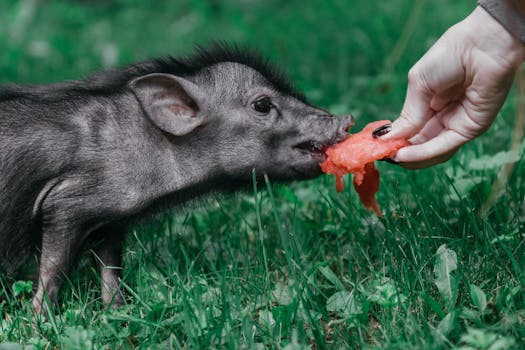
Watermelon is a summer favorite that is safe for dogs when prepared correctly. It is over 90% water, so it helps keep your dog hydrated on hot days. Watermelon also contains vitamins A, B6, and C, plus lycopene, an antioxidant. However, the seeds and rind must be removed. Seeds can cause intestinal blockage, and the rind is tough to digest.
Cut the flesh into small, seedless cubes. You can also freeze watermelon cubes for a refreshing, icy treat. Many dogs enjoy the sweet taste, but limit portions because of its sugar content. A few cubes as an occasional treat are fine. Additionally, watermelon can be a great alternative to commercial ice creams that may contain xylitol or other harmful ingredients. Always supervise your dog when offering new treats.
6. Sweet Potatoes: Nutrient-Dense and Delicious
Sweet potatoes are a rich source of dietary fiber, vitamin A, vitamin C, and manganese. When cooked, they are easily digestible and can soothe a dog's digestive system. However, never feed your dog raw sweet potatoes, as they are hard to chew and may cause stomach upset. Additionally, avoid sweet potato skin if it has been seasoned or baked with spices.
Bake or boil sweet potatoes until soft, then mash or cut into cubes. You can dehydrate sweet potato slices for chewy treats. Sweet potatoes are also a common ingredient in many grain-free dog foods. Furthermore, they provide a healthy energy boost for active dogs. But because they are high in natural sugars, feed sweet potatoes in moderation—especially for diabetic dogs. A tablespoon of mashed sweet potato mixed into food is a good starting point.
7. Bananas: A Potassium-Packed Pick-Me-Up
Bananas are a great source of potassium, vitamin B6, vitamin C, and fiber. Their natural sweetness makes them a favorite among many dogs. However, bananas are also high in sugar and calories compared to other fruits, so portion control is key. A few small slices are sufficient for a medium-sized dog.
Peel the banana first, then slice or mash it. You can freeze banana slices or mix them with plain yogurt for a frozen treat. Bananas can help replenish electrolytes after exercise. Additionally, they can be a useful tool for hiding medication. However, avoid feeding banana peels—they are tough to digest and may cause blockages. If your dog has diabetes or weight issues, consult your veterinarian before making bananas a regular treat.
8. Pumpkin: A Digestion-Soothing Superfood
Plain, canned pumpkin (not pumpkin pie filling) is a powerhouse for your dog's digestive health. It is rich in fiber, beta-carotene, and vitamins A, C, and E. Pumpkin can help relieve both diarrhea and constipation, making it a versatile remedy. Furthermore, the high water content aids hydration.
Serve one to three tablespoons of plain cooked or canned pumpkin mixed into your dog's food, depending on size. You can also freeze pumpkin purée in ice cube trays for easy portions. However, avoid pumpkin with added spices or sugar, which can upset your dog's stomach. Pumpkin is especially beneficial during stomach upsets, but always consult your vet if symptoms persist. Additionally, pumpkin seeds can be ground up and offered in small amounts as a source of healthy fats.
9. Strawberries: A Vitamin C Boost
Strawberries are packed with vitamin C, fiber, and antioxidants. They also contain an enzyme that can help whiten your dog's teeth. However, strawberries are relatively high in natural sugar, so moderation is important. Moreover, always remove the green top (hull) and slice the berry into small pieces to prevent choking.
Fresh or frozen strawberries are both fine, but avoid canned strawberries in syrup or with added sugar. A few small slices per day are enough for most dogs. Strawberries make excellent training treats because of their small size. Additionally, you can mash strawberries and mix with plain yogurt for a healthy dessert. However, if your dog has a sensitive stomach, introduce strawberries slowly, as the acidity may cause mild digestive upset in some pets.
10. Cucumber: A Low-Calorie Hydration Hero
Cucumbers are one of the safest vegetables for dogs. They are extremely low in calories, fat, and sodium, and they contain vitamins K, C, and B1. Because cucumbers are mostly water, they can help keep your dog hydrated and satisfied without adding extra weight. Furthermore, the crunchy texture can help clean teeth.
Peel the cucumber if the skin is thick or waxed; otherwise, you can leave it on after thorough washing. Slice into rounds or sticks—avoid whole cucumbers to prevent choking. Cucumbers are an ideal treat for overweight dogs or those on a restricted diet. Additionally, you can freeze cucumber slices for a refreshing summer snack. However, always introduce any new food in small amounts to avoid digestive upset. Cucumber is a great, guilt-free option for rewarding good behavior.
Conclusion: Sharing Nature's Bounty Safely
Incorporating fruits and vegetables into your dog's diet can provide valuable nutrients, variety, and enjoyment. From apples to cucumbers, these ten options are all safe when prepared correctly. However, always remember that every dog is different. Introduce new foods one at a time and watch for any adverse reactions. Moreover, consult your veterinarian before making significant dietary changes, especially if your dog has existing health conditions. By following these guidelines, you can confidently offer healthy, dog-friendly treats that benefit both body and tail wagging. Have fun exploring these wholesome options with your four-legged companion!