
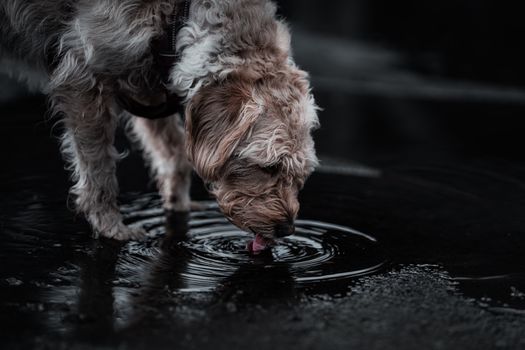
As a devoted pet parent, you know that water is the elixir of life—but do you really understand how much water your dog needs each day? Getting your dog's water intake right is crucial for their digestion, kidney function, and overall vitality. Whether you've just adopted a puppy or have a senior companion, the question of daily water requirements often leaves owners scratching their heads. In this FAQ, we dive deep into the science of canine hydration, providing actionable advice to keep your furry friend healthy and happy.
How much water does a dog need each day?
Generally, a healthy adult dog needs between 0.5 and 1 ounce of fresh water per pound of body weight every day. For example, a 50-pound Labrador should drink roughly 25 to 50 ounces (about 3 to 6 cups) of water daily. Puppies, active dogs, and nursing mothers often need more. However, this is just a starting point—individual needs vary based on activity level, weather, and diet.
To get a more precise estimate, you can use the following quick reference:
- Small dogs (10–20 lbs): 5–20 ounces per day
- Medium dogs (30–50 lbs): 15–50 ounces per day
- Large dogs (60–80 lbs): 30–80 ounces per day
Keep in mind that dogs eating dry kibble will need more water than those on a wet or raw diet, which already contains 70–80% moisture. Always provide fresh, clean water and monitor your dog’s drinking habits to catch any changes early.
What factors affect a dog's water intake?
Several variables can significantly alter how much water your dog needs on any given day. Activity level is a major factor: a dog that runs, hikes, or plays fetch for an hour will lose more fluid through panting and sweating (mainly through their paw pads) and will require extra hydration. Similarly, hot and humid weather increases water loss, so you may notice your dog drinking more during summer months.
Diet also plays a critical role. Dogs fed exclusively dry kibble may need up to twice as much water as those eating canned or raw diets. Additionally, age and health status matter—puppies and seniors have different metabolic rates, and conditions like kidney disease, diabetes, or vomiting/diarrhea can drastically increase or decrease water needs. Always consult your veterinarian if you see sudden changes in drinking behavior.
How can I tell if my dog is drinking enough water?
The simplest way is to measure how much water you put in the bowl and how much is left after 24 hours. Subtract the leftover from the starting amount to get a daily intake. Many owners find it easier to use a marked water bottle or a measuring cup. Also, observe your dog’s urine color—pale yellow is ideal, while dark yellow or orange suggests dehydration. Normal urination frequency is about 3–5 times per day.
Another reliable method is the skin turgor test: gently pinch the skin between your dog's shoulder blades, lift it up, and release. In a well-hydrated dog, the skin snaps back immediately. If it takes longer than a second or remains tented, your dog may be dehydrated. Additionally, check for moist, pink gums—dry or sticky gums are a red flag. These simple checks can help you catch issues before they become serious.
What are the signs of dehydration in dogs?
Dehydration can sneak up on even the most attentive owners. Early signs include lethargy, loss of appetite, and a dry nose or mouth. As dehydration worsens, you might notice sunken eyes, excessive panting, and a decrease in skin elasticity (the skin tent test mentioned above). Your dog may also become less interested in playing or walking.
Severe dehydration is a medical emergency and can lead to organ failure. Look for these red flags:
- Weakness or collapse
- Rapid heart rate or pale gums
- Vomiting or diarrhea (worsens dehydration)
- Unresponsiveness or seizures
If your dog shows any of these signs, offer small amounts of water or ice cubes, but do not force them to drink large volumes—that can cause vomiting. Immediately contact your veterinarian or an emergency clinic for guidance.
Can a dog drink too much water?
Yes, though it’s less common than dehydration, overhydration is a real risk. In a condition called water intoxication (hyponatremia), a dog consumes more water than their kidneys can process, diluting sodium levels in the blood. This can cause brain swelling, seizures, and even coma. It's most often seen in dogs that love to play in sprinklers, fetch toys from pools, or swallow large amounts of water during swimming sessions.
Signs of water intoxication include bloating, vomiting, lethargy, staggering, and dilated pupils. Small breeds and dogs with low body fat are more susceptible. To prevent this, monitor water intake during playtime and discourage your dog from gulping water excessively. If you suspect overhydration, stop water access and seek veterinary help immediately. Fortunately, with proper supervision, the risk is minimal for most dogs.
Should I leave water out all day for my dog?
In most cases, yes—free access to fresh water is recommended for healthy dogs. Constant availability helps maintain normal hydration levels and prevents the urge to gulp when water is finally offered. However, there are exceptions. Puppies and dogs with incontinence issues may need scheduled water breaks, especially during house training. Additionally, if your dog is prone to bloat (gastric dilatation-volvulus), you might need to restrict water immediately after meals, though this should be discussed with your vet.
For senior dogs with cognitive dysfunction or joint problems, having water bowls on every floor can encourage drinking. Make sure to clean and refill bowls daily to prevent bacterial growth. If you choose to use a timed water dispenser, ensure it provides a consistent supply. The key is observation: if your dog drinks excessively or not enough despite free access, a vet check is warranted.
What type of water is best for dogs?
Plain, clean tap water is perfectly fine for most dogs, provided it's safe for human consumption. If your tap water has a strong chlorine taste or high mineral content, you can use a simple filter (e.g., Brita) to improve palatability. Bottled spring water is also a good option, but avoid distilled water as a long-term sole source—it lacks essential minerals and can cause electrolyte imbalances.
Some owners worry about fluoride or additives in tap water. In normal amounts, these are not harmful to dogs. However, water softeners using salt can raise sodium levels; if your home has a softener, offer one bowl of unsoftened water for your dog. Never give your dog water from pools, lakes, or puddles—these may contain harmful bacteria, chemicals, or parasites. Stick to fresh, cool water from a clean bowl.
How can I encourage my dog to drink more water?
If your dog isn't drinking enough, there are several gentle tricks to boost hydration. First, try adding a splash of low-sodium chicken or beef broth (no onions or garlic) to their water. You can also offer ice cubes made from broth or freeze treats inside ice cubes—many dogs love the novelty. Providing a pet water fountain can appeal to dogs that prefer moving water, as it mimics a natural stream.
Another effective method is to soak your dog's dry kibble in warm water for 10 minutes before serving, turning it into a porridge-like meal. Or, incorporate wet food into their diet—even mixing a spoonful of canned food adds moisture. During warmer months, offer water breaks every 15–30 minutes during exercise. Remember, water bowls should be shallow and wide to avoid whisker fatigue. If none of these strategies work and your dog consistently refuses water, consult your vet to rule out underlying health issues.
How does diet affect a dog's water needs?
Diet is one of the most influential factors in your dog's daily water requirement. Dogs eating only dry kibble need significantly more water because kibble contains only about 6–10% moisture. In contrast, canned wet food contains 70–85% water, meaning a dog on an all-wet diet may need little to no additional water from the bowl. Similarly, raw or homemade diets often have high moisture content from fresh ingredients.
If you switch your dog’s food from kibble to wet or raw, you may notice they drink less—this is normal. However, always provide water regardless, because hydration needs vary day to day. A balanced approach is to offer a mix of dry and wet food, which can help regulate water intake while providing dental benefits from kibble. Keep an eye on your dog's urine output and adjust accordingly. When in doubt, follow the general guideline of 1 ounce of water per pound of body weight, but adjust based on food moisture.
Do puppies and senior dogs have different water requirements?
Yes, age greatly influences hydration needs. Puppies have higher metabolic rates and are more active, so they need proportionally more water per pound than adult dogs. Additionally, puppies are still developing kidney function, making them more prone to dehydration. It's important to offer water frequently (every couple of hours) and monitor for accidents during house training—puppies may drink and then need to urinate soon after. Senior dogs, on the other hand, may have reduced thirst perception due to aging or cognitive decline. They might also suffer from chronic conditions such as kidney disease, which alters water balance.
For senior dogs, paying close attention to water intake is critical. Provide multiple water stations around the house, and consider using elevated bowls for arthritic dogs. If your older dog suddenly drinks more or less than usual, it could indicate an underlying health issue like diabetes or Cushing’s disease. Always involve your veterinarian in any significant changes. A general rule for all ages: if you’re unsure, check urine color and skin elasticity daily.
What about water intake during hot weather or exercise?
During hot days or strenuous exercise, your dog’s water requirements can double or even triple. Dogs cool themselves primarily through panting and evaporation from the paw pads, both of which cause significant water loss. Offer water before, during, and after physical activity—but avoid letting your dog gulp large amounts immediately before running, as it can lead to bloat. Instead, provide small, frequent sips.
After exercise or on a hot day, keep water cool (but not ice-cold) and in the shade. Consider bringing a collapsible bowl and a bottle of water on walks or hikes. Signs that your dog is overheating include excessive panting, drooling, and lethargy. If you notice any of these, stop activity, find shade, and offer water slowly. In extreme heat, you can also wet your dog’s paws and belly to help cool them. Always be proactive—prevention is safer than treating dehydration or heatstroke.
Conclusion
Understanding your dog's water needs is a simple yet powerful way to safeguard their health. While the golden rule of 0.5–1 ounce per pound per day provides a solid baseline, always consider the unique factors of your dog’s diet, age, activity level, and environment. By monitoring water intake, observing urine color, and performing quick hydration checks, you can catch imbalances early. If you ever have doubts about your dog’s drinking habits, don’t hesitate to consult your veterinarian. A well-hydrated dog is a happy, energetic companion—so keep that water bowl full and fresh!