
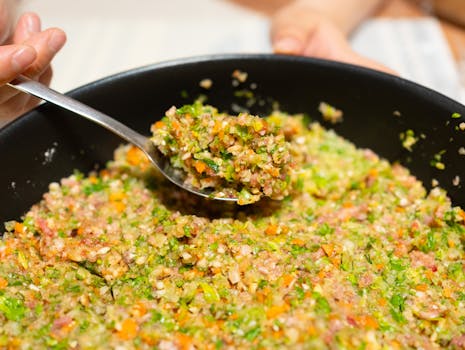
Are you considering switching your furry friend to homemade dog food? More pet owners are exploring this option to control ingredients and avoid processed additives. However, crafting safe and nutritionally complete homemade dog food requires more than just tossing leftovers into a bowl. This comprehensive guide covers essential safety tips, balanced meal strategies, and easy-to-follow recipes to help you nourish your dog with confidence—all while keeping the primary keyword, homemade dog food, front and center from the very start.
Why Homemade Dog Food?
Many pet parents turn to homemade diets to address allergies, picky eating, or simply to provide fresher ingredients. Commercially available options often contain fillers, preservatives, and low-quality protein sources. By preparing meals yourself, you have full control over what goes into your dog's bowl. Furthermore, homemade dog food can be tailored to life stage, activity level, and specific health conditions. However, it is not without risks. Without proper guidance, meals can become deficient or unbalanced, leading to serious health issues. That is why understanding the fundamentals is critical before you start cooking.
Essential Safety Tips for Homemade Dog Food
Safety must be your top priority when preparing homemade dog food. Follow these actionable guidelines to protect your pet:
- Consult a veterinarian or a board-certified veterinary nutritionist before changing your dog's diet. They can help design a recipe that meets your dog's specific needs.
- Avoid toxic ingredients. Never include onions, garlic, grapes, raisins, chocolate, xylitol, macadamia nuts, or excessive salt. These can cause severe poisoning.
- Practice proper food handling. Wash hands, cutting boards, and utensils thoroughly. Cook meats to safe internal temperatures (at least 165°F for poultry) to eliminate harmful bacteria like Salmonella or E. coli.
- Store food correctly. Refrigerate homemade food in airtight containers for up to three days, or freeze portions for up to three months. Thaw frozen meals in the refrigerator, not on the counter.
- Balance over time, not per meal. While each meal should include protein, vegetables, and grains, it is acceptable to vary ingredients as long as the overall weekly diet remains balanced.
Additionally, introduce new foods gradually over 7–10 days to avoid digestive upset. Monitor your dog for signs of allergies such as itching, diarrhea, or vomiting, and adjust accordingly.
Understanding Canine Nutritional Requirements
Dogs need a precise balance of protein, fat, carbohydrates, vitamins, and minerals. A typical homemade dog food recipe should contain approximately 40–60% protein (lean meats, eggs, fish), 20–30% carbohydrates (brown rice, sweet potatoes, oats), and 10–20% vegetables (spinach, carrots, green beans). Healthy fats like fish oil or flaxseed oil provide essential fatty acids for skin and coat health. However, dogs cannot synthesize certain nutrients, making supplementation critical. Calcium is one of the most commonly deficient nutrients in homemade diets. Without enough calcium, dogs may develop bone deformities or dental issues. A common solution is to add a calcium supplement or finely ground eggshell powder (half teaspoon per pound of food). Additionally, taurine is essential for heart health, especially in breeds prone to dilated cardiomyopathy. Include sources like heart meat or a taurine supplement as advised by your vet. Homemade food often lacks the exact ratios found in commercial diets, so regular blood work is recommended to monitor your dog's health.
How to Build a Balanced Homemade Dog Meal
Creating a balanced meal involves more than just mixing ingredients. Follow this step-by-step approach:
- Choose a protein base: Lean chicken, turkey, beef, lamb, or fish (cooked and deboned). Avoid fatty cuts and remove skin.
- Select complex carbohydrates: Brown rice, quinoa, barley, or sweet potatoes provide energy and fiber.
- Add vegetables: Dark leafy greens, carrots, zucchini, peas, and pumpkin. Steam or lightly cook to improve digestibility.
- Include a fat source: A teaspoon of fish oil or flaxseed oil per meal (adjust based on size).
- Add a calcium source: Either a balanced supplement recommended by your vet or ground eggshell powder.
- Incorporate optional extras: Organ meats (liver, kidney) once a week for micronutrients, or a small serving of plain yogurt for probiotics.
For example, a simple ratio is 1 part protein, 1 part carbohydrate, and 1/2 part vegetables by volume. Adjust portions based on your dog's weight and activity. Always measure ingredients consistently and consult a feeding guide from your veterinarian.
Sample Homemade Dog Food Recipes
Here are three vet-approved recipes (always adjust based on your dog's specific needs):
Recipe 1: Chicken and Rice Basic
Ingredients: 1 pound boneless skinless chicken thighs (cooked, no bones), 2 cups cooked brown rice, 1 cup steamed carrots and peas, 1 tablespoon fish oil, 1 teaspoon bone meal powder (or equivalent calcium supplement). Mix well and portion into meals for a 30–40 pound dog over 2–3 days.
Recipe 2: Beef and Sweet Potato Delight
Ingredients: 1 pound lean ground beef (cooked and drained), 2 cups mashed sweet potato, 1 cup chopped spinach (steamed), 1 teaspoon flaxseed oil, 1/2 teaspoon ground eggshell powder. Combine and serve.
Recipe 3: Turkey and Quinoa Bowl
Ingredients: 1 pound ground turkey (cooked), 2 cups cooked quinoa, 1 cup steamed green beans, 1 tablespoon coconut oil, calcium supplement as directed. Mix thoroughly. Refrigerate leftovers promptly.
Remember, these recipes are starting points. Rotate proteins and vegetables to provide variety and a broader nutrient profile.
Common Mistakes to Avoid
Even well-intentioned pet owners can make errors. Watch out for these pitfalls:
- Over-relying on single protein sources: Variety prevents nutrient gaps and reduces allergy risks.
- Using raw meat without caution: Raw diets carry bacterial risks for both pets and humans. If you choose raw, handle with extreme care and consult a veterinarian.
- Forgetting calcium: Without supplementation, homemade food is almost always calcium-deficient.
- Feeding imbalanced ratios: Too much protein can strain kidneys, while too many carbs can cause weight gain.
- Ignoring size and life stage: Puppies, seniors, and pregnant dogs have different needs. Use recipes tailored to their specific requirements.
- Skipping veterinary check-ups: Regular blood tests help catch deficiencies early.
Furthermore, avoid adding salt, sugar, spices, or processed additives. Dogs do not need flavor enhancers—they enjoy natural tastes.
Transitioning Your Dog to Homemade Food
Abrupt diet changes can cause vomiting, diarrhea, or refusal to eat. Follow this transition schedule over 7–10 days:
- Days 1–2: 25% homemade, 75% current food.
- Days 3–4: 50% homemade, 50% current food.
- Days 5–6: 75% homemade, 25% current food.
- Day 7 onwards: 100% homemade, if tolerated.
Monitor your dog's stool consistency, energy levels, and appetite during the switch. If you notice persistent issues, slow down the transition or consult your vet. Additionally, keep a food diary to track ingredients and any reactions. This helps you and your veterinarian fine-tune the diet over time.
Conclusion
Preparing homemade dog food can be a rewarding way to support your pet's health, but it requires careful planning and a commitment to nutritional balance. By following the safety tips, understanding canine requirements, and using the recipes and guidelines provided, you can create meals that are both delicious and nutritious. Always work with your veterinarian to ensure your homemade dog food meets all of your dog's unique needs. With the right approach, you can enjoy the peace of mind that comes from knowing exactly what is in your dog's bowl—every single day.