
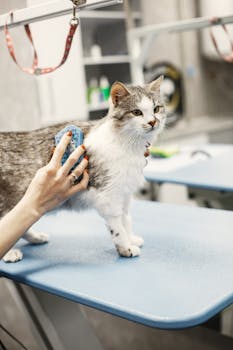
As our beloved canine companions enter their golden years, their grooming needs change significantly. Senior dogs often develop thinner, more fragile skin that is prone to dryness, irritation, and allergies. If you’re searching for practical grooming tips for senior dogs with sensitive skin, you’ve come to the right place. This comprehensive guide will help you keep your older pup comfortable, clean, and happy through every brush stroke and bath.
Understanding Senior Dog Skin Changes
Aging brings natural physiological shifts in your dog’s skin and coat. The skin loses elasticity and becomes drier because oil-producing glands become less active. Additionally, the immune system may weaken, making your dog more susceptible to infections, hot spots, and environmental allergens. The coat might thin or become patchy, and new lumps or bumps can appear. Understanding these changes is the first step toward adapting your grooming routine. Always monitor your senior dog’s skin for signs of redness, flaking, or excessive licking, and consult your veterinarian if you notice anything unusual. By being proactive, you can prevent minor irritations from becoming serious problems.
Common Skin Conditions in Senior Dogs
Dry, flaky skin (seborrhea), pressure sores, and mats caused by decreased mobility are common. Furthermore, underlying health issues like hypothyroidism or arthritis can affect skin health. Regular grooming helps you spot these issues early and keep your dog comfortable.
Choosing the Right Grooming Tools
The tools you use make a world of difference for sensitive skin. Harsh brushes and clippers can cause micro-tears and pain. Invest in equipment designed for delicate, aging skin. Here is a checklist of senior-dog-friendly grooming tools:
- Soft bristle brush – Gentle on thinning coats and sensitive skin; ideal for daily de-shedding without irritation.
- Wide-toothed comb – Perfect for detangling mats without pulling or snagging; use slowly near bony areas.
- Blunt-tipped scissors – For trimming hair around paws, face, and sanitary areas safely, especially if your dog twitches or is less steady.
- Hypoallergenic grooming glove – Provides gentle massage while collecting loose fur; stimulates circulation and reduces stress.
- Cleaning wipes for sensitive skin – Alcohol-free, hypoallergenic wipes for spot cleaning between baths.
Furthermore, always test a new tool on a small area first to ensure your dog does not react negatively. Clean your tools regularly to prevent bacteria buildup that could aggravate sensitive skin.
Bathing Your Senior Dog Safely
Bathing a senior dog with sensitive skin requires extra caution. Over-bathing strips natural oils, while under-bathing can lead to dirt accumulation. Aim for once every four to six weeks, or as recommended by your vet. Follow these steps for a gentle, soothing bath:
- Use lukewarm water – Hot water burns delicate skin; cold water is uncomfortable. Test the temperature with your wrist.
- Choose a moisturizing, oatmeal-based shampoo – Look for products labeled “hypoallergenic,” “for sensitive skin,” or “veterinary formula.” Avoid fragrances and sulfates.
- Massage gently – Use your fingertips, not nails. Focus on areas where dirt collects, but avoid vigorous scrubbing over bony points (hips, spine). Rinse thoroughly—residue causes itching.
- Apply a conditioner or leave-in spray – A moisturizing conditioner helps restore the skin barrier. Consider a spray with aloe vera or vitamin E for between-bath refreshment.
- Pat dry with a soft towel – Do not rub. For short-haired breeds, air drying is fine; for long-haired seniors, use a low-heat blow-dryer on a quiet setting to avoid startling them.
Additionally, place a non-slip mat in the tub to prevent falls. Older dogs can become anxious or unsteady, so speak calmly and offer treats throughout the process.
Moisturizing and Soothing Sensitive Skin
After bathing, moisturizing is crucial. Senior dogs’ skin lacks natural hydration, so a regular moisturizing routine can reduce flaking and itching. However, only use products specifically formulated for dogs—human lotions can be toxic if licked. Consider these options:
- Veterinary-recommended moisturizing sprays – Spritzing a leave-in conditioner on the coat between baths adds moisture without over-wetting the skin.
- Coconut oil (tiny amounts) – A few drops rubbed into dry paw pads or elbows can soothe cracked skin. Use sparingly to avoid greasy coats.
- Omega-3 supplements – Adding fish oil to your dog’s diet (with vet guidance) promotes healthy skin from the inside out.
- Aloe vera gel (pure, no added ingredients) – Apply sparingly to hot spots or irritated areas for cooling relief.
Furthermore, avoid over-brushing, which can aggravate sensitivity. A light, daily brushing with a soft brush helps distribute natural oils and stimulates blood flow.
Brushing Techniques for Comfort
Brushing a senior dog requires patience and a gentle hand. Their skin is thin and can tear easily, especially over bony prominences. Use slow, smooth strokes in the direction of hair growth. Start with a soft brush to remove loose hair, then follow with a wide-toothed comb to tackle tangles. If you encounter a mat, never yank or cut it out with scissors (risk of cutting skin). Instead, use a detangling spray and gently tease the mat apart with your fingers or a mat splitter. Schedule short sessions (five to ten minutes) so your dog does not become fatigued. Always praise and reward them afterward. By making brushing a positive experience, you encourage cooperation and strengthen your bond.
Paw and Nail Care for Senior Dogs
Senior dogs often develop arthritis, which can make standing for nail trims uncomfortable. Additionally, their nails may become brittle and overgrown if they walk less. Check nails every two weeks. Use a grinder (quieter than clippers for noise-sensitive dogs) or sharp guillotine clippers. Avoid cutting into the quick—the pink area containing blood vessels. If your dog has dark nails, trim tiny bits at a time. For paw pads, examine for cracks, cuts, or foreign objects. Apply a pet-safe paw balm daily to keep pads supple, especially during dry weather. If your dog resists nail trims, try desensitization: touch their paws daily, give treats, and only trim one or two nails per session.
When to Seek Professional Grooming
While many grooming tasks can be done at home, professional help is sometimes necessary. Consider a groomer experienced with seniors if your dog has severe mats, overgrown nails that require a vet, or if you lack the strength or patience to handle a wriggly, arthritic pup. Additionally, a professional can often spot skin issues you might miss (rashes, tumors, ear infections). Choose a groomer who offers low-stress handling, quiet environments, and maybe even home visits. Always communicate your dog’s health conditions and sensitivities upfront. A good groomer will work at your dog’s pace and never use force.
Conclusion
Grooming your senior dog with sensitive skin doesn’t have to be a struggle. By understanding age-related skin changes, selecting the right tools, bathing gently, and maintaining a consistent moisturizing routine, you can keep your furry friend comfortable and looking their best. Patience, kindness, and attention to detail make all the difference. Remember to consult your veterinarian for personalized advice, especially if you notice persistent irritation or new lumps. With these grooming tips for senior dogs with sensitive skin, you can enjoy many more years of happy, healthy companionship with your loyal older dog.