
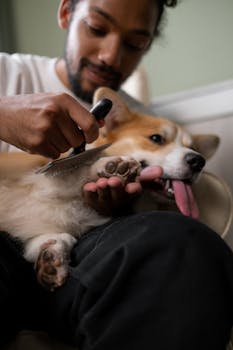
Did you know that dental disease affects over 80% of dogs by age three? Taking care of your pup's teeth is a vital part of their overall health, and mastering the technique of brushing your dog teeth at home can prevent painful infections, bad breath, and even heart issues. This complete guide will walk you through every step, from choosing the right tools to making the experience stress-free for both you and your furry friend. With consistent practice, you can save on veterinary bills and keep your dog's smile bright and healthy.
Why Brushing Your Dog's Teeth Matters
Just like humans, dogs accumulate plaque and tartar on their teeth. When left unchecked, these deposits lead to gingivitis, periodontal disease, and tooth loss. Periodontal disease doesn't just affect the mouth; bacteria can enter the bloodstream and damage the heart, liver, and kidneys. Furthermore, dental pain can make eating uncomfortable, which may lead to weight loss and behavioral changes. Fortunately, routine brushing is the single most effective way to prevent these issues. The American Veterinary Medical Association confirms that daily brushing can reduce plaque buildup by up to 80%. Additionally, it gives you a chance to check for unusual lumps, swelling, or broken teeth early. By committing to this simple habit, you're investing in your dog's long-term well-being and potentially adding years to their life.
Getting Started: Tools You'll Need
Before you begin, gather the right equipment to make brushing safe and effective. Using human toothpaste is a common mistake—it often contains xylitol, which is toxic to dogs, and foaming agents that upset their stomach. Instead, opt for enzymatic toothpaste formulated specifically for dogs, available in flavors like poultry or peanut butter that they actually enjoy. For the brush itself, you have several options:
- Finger brush: A soft silicone cap that fits over your finger. Ideal for beginners and small dogs because it lets you feel the teeth and gums.
- Dog-specific toothbrush: Comes with a long, angled handle and soft bristles. Often has a tapered head to reach back molars.
- Dual-ended brush: One end for larger teeth, the other for smaller ones. Good for medium to large breeds.
Other essentials include a small bowl of warm water for rinsing (if needed) and treats for positive reinforcement. Never use a human brush with hard bristles, as they can damage enamel. Start with a finger brush if your dog is nervous—it's less intimidating and easier to maneuver.
Step-by-Step Guide to Brushing Your Dog's Teeth
1. Desensitize Your Dog to Mouth Handling
Before you ever introduce a brush, get your dog comfortable with you touching their mouth. Gently lift their lips, rub their gums with your finger, and praise them. Do this for a few seconds at a time over several days. Pair each session with a tiny, tasty treat. Once they don't flinch, you're ready for step two.
2. Introduce the Toothpaste and Brush
Let your dog lick a small amount of toothpaste off your finger so they associate it with something yummy. Next, let them sniff and lick the dry brush. Gradually move to rubbing a tiny dab of toothpaste on their gums using the brush. Keep sessions short—30 seconds maximum—and always end with a treat.
3. Brush in Small Circles
Lift your dog's lip gently. Using the brush, work on the outside surfaces of the teeth, since the tongue helps clean the inside. Angle the bristles toward the gum line and make small circular motions. Focus on the upper molars and canines, where plaque builds up fastest. Aim for about 10 seconds per side initially, and work up to 30–60 seconds per side as your dog gets comfortable.
4. Focus on the Gum Line
Plaque hides just under the gums. Brush where the tooth meets the gum tissue, using gentle pressure—if the bristles splay, you're pressing too hard. Don't forget the back teeth; they're prone to tartar buildup. Remember: you don't need to rinse, as dog toothpaste is safe to swallow.
Troubleshooting Common Challenges
Even with the best intentions, your dog may resist. Here are practical fixes for frequent hurdles:
- Dog bites the brush: Try a finger brush instead. Let them chew on it briefly before you start brushing—this turns it into a game.
- Too wiggly or anxious: Brush after a long walk when they're tired. Alternatively, have a helper hold the dog and feed treats while you brush.
- Doesn't tolerate full mouth: Brush just one side one day, the other side the next. Consistency matters more than perfection.
- Bleeding gums: A little blood is normal when starting because gums are inflamed. If bleeding persists or is heavy, consult your vet—it could indicate advanced disease.
If your dog is extremely fearful, consider using dental wipes or a water additive as a bridge, but continue desensitizing for eventual brushing. Patience is key.
Tips for Making Brushing a Positive Routine
Success hinges on creating a consistent, enjoyable ritual. Brushing at the same time each day—for example, right before their evening walk or after playtime—helps your dog anticipate and accept it. Use a cheerful tone and lavish praise throughout. You can also incorporate a special treat that they only get after brushing, like a single piece of carrot or a dental chew approved by the Veterinary Oral Health Council (VOHC).
Additionally, don't rush. If you're short on time, do a quick 30-second pass rather than skipping entirely. For older dogs or those with sensitive mouths, use a brush with extra-soft bristles. Remember to replace the toothbrush every three months or sooner if bristles fray. Finally, pair home brushing with annual professional dental cleanings; home care reduces buildup but cannot remove hardened tartar above the gum line.
Conclusion
Taking a few minutes each day to practice brushing your dog teeth can dramatically improve their quality of life and save you from costly dental procedures down the road. Start slow, use the right tools, and stay positive. Your dog will learn to tolerate—and maybe even enjoy—the process. If you ever notice persistent bad breath, red gums, or broken teeth, schedule a vet visit promptly. With this complete guide, you have everything you need to become your pup's at-home dental hero. Happy brushing!