

Grooming

How to Reduce Dog Shedding with Diet and Grooming

How to Reduce Dog Shedding with Diet and Grooming

Dealing with mountains of fur on your furniture and clothes? Learning how to reduce dog shedding with diet and grooming can transform your home and your dog's health. This comprehensive guide reveals the best strategies to minimize loose hair while boosting your pup's coat vitality. From nutrient-rich foods to expert brushing techniques, you'll discover a holistic approach that tackles shedding at its source—without expensive products or endless vacuuming.

Why Do Dogs Shed So Much?

Why Do Dogs Shed So Much?

Understanding the root causes of shedding is the first step to controlling it. Dogs shed to remove old, damaged, or excess fur, and the amount varies by breed, season, and health. Breeds like Labrador Retrievers and German Shepherds shed year-round, while double-coated breeds blow their undercoat twice a year. Hormonal changes, stress, and poor nutrition can also trigger excessive shedding. By addressing these factors with targeted diet and grooming, you can significantly reduce the fur that ends up on your floor.

How Seasonal Shedding Affects Your Home

During spring and fall, many dogs shed more heavily to adapt to temperature shifts. However, indoor heating and artificial lighting can confuse their internal clocks, leading to constant shedding. Each H2 section must offer actionable insights, so let's dive into the dietary adjustments that make a real difference.
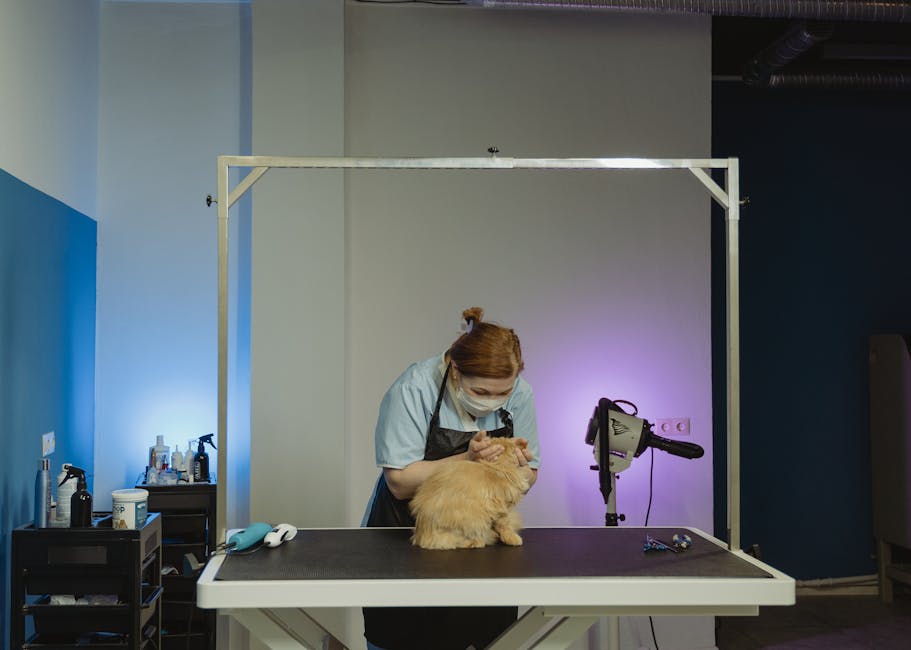
How Can Diet Help Reduce Dog Shedding?

How Can Diet Help Reduce Dog Shedding?

Nutrition plays a pivotal role in coat health. A diet rich in essential fatty acids, high-quality protein, and key vitamins can strengthen hair follicles and reduce breakage. For example, omega-3 and omega-6 fatty acids from fish oil or flaxseed nourish the skin, preventing dryness and excessive shedding. Additionally, biotin and zinc support keratin production, making fur less likely to fall out. Switch to a premium dog food with named meat sources (like chicken or salmon) as the first ingredient to provide the building blocks for a glossy coat.

  • Look for foods with at least 25% protein from whole animal sources.
  • Avoid fillers like corn, wheat, and soy that offer little nutritional value.
  • Consider a rotational diet to avoid nutrient deficiencies.

Furthermore, hydration is critical—dehydrated skin sheds more. Ensure your dog always has fresh water, and consider adding wet food or bone broth for extra moisture. Remember, a balanced diet not only reduces shedding but also boosts energy and immune function.

What Are the Best Nutrients for a Healthy Coat?

To target shedding, focus on these key nutrients: Omega-3 fatty acids (from fish oil, krill, or algae) reduce inflammation and support a shiny coat. Omega-6 fatty acids (from chicken fat or sunflower oil) maintain skin barrier function. Vitamin E acts as an antioxidant, protecting skin cells, while B vitamins (especially biotin) improve hair growth and strength. Zinc deficiency can cause brittle fur and hair loss, so include zinc-rich foods like pumpkin seeds or a quality supplement.

NutrientSourcesBenefit
Omega-3Fish oil, flaxseedReduces inflammation, promotes shine
BiotinEggs, liver, sweet potatoesStrengthens hair follicles
ZincPumpkin seeds, beefPrevents hair loss

Moreover, adding a small amount of coconut oil to your dog's meals can improve coat texture and reduce shedding over time. Always introduce new foods gradually and consult your vet before starting supplements.

Which Grooming Techniques Reduce Shedding Effectively?

Grooming is the second pillar of shedding control. The right tools and frequency can remove loose fur before it lands on your carpet. Use a deshedding tool like a Furminator or a slicker brush for double-coated breeds. For short-haired dogs, a rubber curry brush works wonders. Brush in the direction of hair growth, and focus on areas with thick undercoat (neck, back, and thighs). However, be gentle to avoid irritating the skin.

  1. Choose a brush suited to your dog's coat type (long, short, wiry, or double).
  2. Brush at least twice a week—daily during heavy shedding seasons.
  3. Bathe your dog every 4–6 weeks with a moisturizing shampoo formulated for shedding control.

Additionally, regular baths loosen dead hair and distribute natural oils. Use a conditioner to keep fur hydrated and reduce static. After bathing, towel-dry thoroughly and finish with a low-heat blow dryer to blow out loose undercoat. Never brush wet or matted fur, as this can cause pain and breakage.

How Often Should You Groom Your Dog to Minimize Shedding?

Consistency is key. Most dogs benefit from a weekly deep brushing, but double-coated breeds on a shedding cycle require daily sessions. For example, during spring, a Husky might need brushing every day with an undercoat rake. For short-haired breeds like Beagles, twice a week is sufficient. Furthermore, schedule professional grooming every 6–8 weeks for breed-specific trims and thorough deshedding treatments. In between, use a shedding glove or grooming mitt to collect loose hair during petting sessions.

Frequent grooming also allows you to spot skin issues early—redness, bumps, or parasites that can worsen shedding. Pairing a regular grooming routine with a nutrient-dense diet creates a powerful synergy that dramatically reduces loose fur.

Are There Supplements That Reduce Shedding?

Yes, supplements can fill nutritional gaps and accelerate coat improvement. Omega-3 fish oil capsules are the most popular choice; look for those with high EPA and DHA content. Other options include skin-and-coat chews containing biotin, vitamin E, and zinc. Coconut oil supplements also appear but provide similar benefits as dietary adjustments. However, always consult your veterinarian before adding any supplement, as over-supplementation can cause side effects. For best results, use supplements in conjunction with a high-quality diet and consistent grooming.

What Should You Remember About Reducing Dog Shedding?

Combining a nutrient-rich diet, regular deshedding grooming, and appropriate supplements offers the most effective approach to minimizing fur fallout. Start by evaluating your dog's current food and swapping to a premium formula rich in omega fatty acids. Then, establish a brushing schedule that matches your dog's coat type. With patience and consistency, you'll notice less hair on your clothes and more shine on your pup's coat. Remember, every dog is unique—adjust your plan based on breed, age, and health. For ongoing fur-free living, stay proactive and enjoy a cleaner home and a happier, healthier dog.

Share: Facebook Twitter Pinterest

SWT Pal Pet

Pet Care Expert

Expert in pet care with years of experience helping pet owners make informed decisions about their furry friends.

← Previous Grooming Tips for Newly Adopted Shelter Dogs
We use cookie to improve your online experience. By continuing to browse this website, you agree to our use of cookie.

Cookies

Please read our Terms and Conditions and this Policy before accessing or using our Services. If you cannot agree with this Policy or the Terms and Conditions, please do not access or use our Services. If you are located in a jurisdiction outside the European Economic Area, by using our Services, you accept the Terms and Conditions and accept our privacy practices described in this Policy.
We may modify this Policy at any time, without prior notice, and changes may apply to any Personal Information we already hold about you, as well as any new Personal Information collected after the Policy is modified. If we make changes, we will notify you by revising the date at the top of this Policy. We will provide you with advanced notice if we make any material changes to how we collect, use or disclose your Personal Information that impact your rights under this Policy. If you are located in a jurisdiction other than the European Economic Area, the United Kingdom or Switzerland (collectively “European Countries”), your continued access or use of our Services after receiving the notice of changes, constitutes your acknowledgement that you accept the updated Policy. In addition, we may provide you with real time disclosures or additional information about the Personal Information handling practices of specific parts of our Services. Such notices may supplement this Policy or provide you with additional choices about how we process your Personal Information.


Cookies

Cookies are small text files stored on your device when you access most Websites on the internet or open certain emails. Among other things, Cookies allow a Website to recognize your device and remember if you've been to the Website before. Examples of information collected by Cookies include your browser type and the address of the Website from which you arrived at our Website as well as IP address and clickstream behavior (that is the pages you view and the links you click).We use the term cookie to refer to Cookies and technologies that perform a similar function to Cookies (e.g., tags, pixels, web beacons, etc.). Cookies can be read by the originating Website on each subsequent visit and by any other Website that recognizes the cookie. The Website uses Cookies in order to make the Website easier to use, to support a better user experience, including the provision of information and functionality to you, as well as to provide us with information about how the Website is used so that we can make sure it is as up to date, relevant, and error free as we can. Cookies on the Website We use Cookies to personalize your experience when you visit the Site, uniquely identify your computer for security purposes, and enable us and our third-party service providers to serve ads on our behalf across the internet.

We classify Cookies in the following categories:
 ●  Strictly Necessary Cookies
 ●  Performance Cookies
 ●  Functional Cookies
 ●  Targeting Cookies


Cookie List
A cookie is a small piece of data (text file) that a website – when visited by a user – asks your browser to store on your device in order to remember information about you, such as your language preference or login information. Those cookies are set by us and called first-party cookies. We also use third-party cookies – which are cookies from a domain different than the domain of the website you are visiting – for our advertising and marketing efforts. More specifically, we use cookies and other tracking technologies for the following purposes:

Strictly Necessary Cookies
These cookies are necessary for the website to function and cannot be switched off in our systems. They are usually only set in response to actions made by you which amount to a request for services, such as setting your privacy preferences, logging in or filling in forms. You can set your browser to block or alert you about these cookies, but some parts of the site will not then work. These cookies do not store any personally identifiable information.

Functional Cookies
These cookies enable the website to provide enhanced functionality and personalisation. They may be set by us or by third party providers whose services we have added to our pages. If you do not allow these cookies then some or all of these services may not function properly.

Performance Cookies
These cookies allow us to count visits and traffic sources so we can measure and improve the performance of our site. They help us to know which pages are the most and least popular and see how visitors move around the site. All information these cookies collect is aggregated and therefore anonymous. If you do not allow these cookies we will not know when you have visited our site, and will not be able to monitor its performance.

Targeting Cookies
These cookies may be set through our site by our advertising partners. They may be used by those companies to build a profile of your interests and show you relevant adverts on other sites. They do not store directly personal information, but are based on uniquely identifying your browser and internet device. If you do not allow these cookies, you will experience less targeted advertising.

How To Turn Off Cookies
You can choose to restrict or block Cookies through your browser settings at any time. Please note that certain Cookies may be set as soon as you visit the Website, but you can remove them using your browser settings. However, please be aware that restricting or blocking Cookies set on the Website may impact the functionality or performance of the Website or prevent you from using certain services provided through the Website. It will also affect our ability to update the Website to cater for user preferences and improve performance. Cookies within Mobile Applications

We only use Strictly Necessary Cookies on our mobile applications. These Cookies are critical to the functionality of our applications, so if you block or delete these Cookies you may not be able to use the application. These Cookies are not shared with any other application on your mobile device. We never use the Cookies from the mobile application to store personal information about you.

If you have questions or concerns regarding any information in this Privacy Policy, please contact us by email at . You can also contact us via our customer service at our Site.