
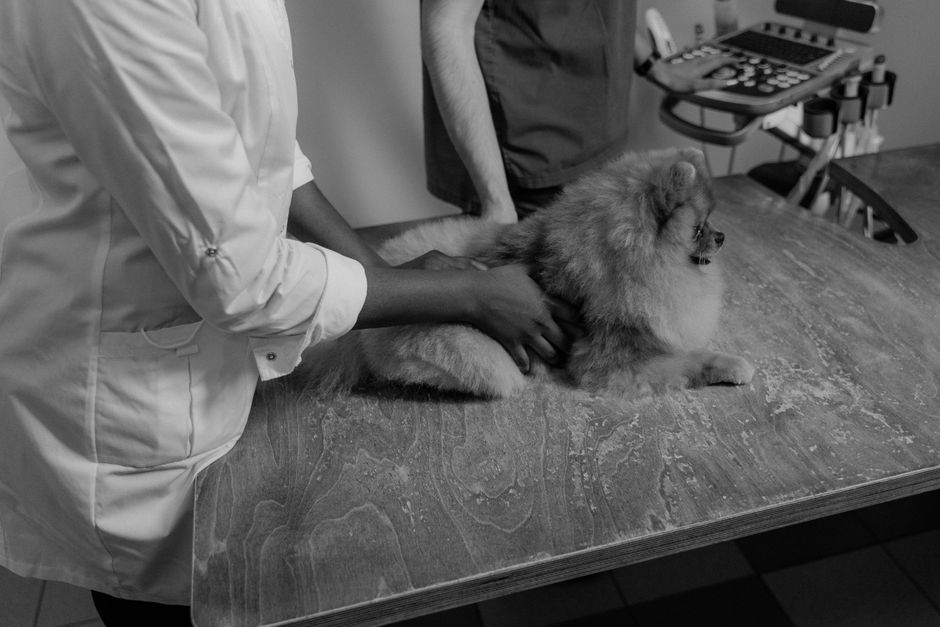
Bringing home a newly adopted shelter dog is an exciting and rewarding experience. One of the most important steps in helping your new furry friend adjust is establishing a grooming routine. Grooming tips for newly adopted shelter dogs not only keep them looking great but also build trust and monitor their health. These practical grooming tips for newly adopted shelter dogs will help you create a calm, positive experience for both of you.
Why Is Grooming Important for Newly Adopted Shelter Dogs?
Grooming is more than just aesthetics; it's a critical part of your dog's physical and emotional well-being. Shelter dogs often arrive with neglected coats, matted fur, or hidden skin issues. Regular grooming allows you to check for fleas, ticks, lumps, or injuries that might have gone unnoticed. Furthermore, it provides an opportunity to bond and build trust. Many shelter dogs have experienced trauma or lack of handling, so gentle grooming sessions can help them learn to enjoy human touch. Additionally, grooming helps you detect early signs of health problems, such as ear infections or dental issues. By incorporating grooming from day one, you set the foundation for a lifetime of good health and a stronger relationship with your new companion.
Building Trust Through Grooming
Trust is essential for any rescue dog. Start with short, positive grooming sessions. Use a soft brush and offer treats to create a positive association. Gradually increase the duration as your dog relaxes. Patience is key; never force a fearful dog into a grooming activity.
Health Benefits of Regular Grooming
Grooming improves circulation, distributes natural oils, and reduces shedding. It also allows you to spot abnormalities like redness, swelling, or parasites. For newly adopted dogs, a thorough grooming session can reveal conditions that need veterinary attention.
What Grooming Tools Should You Have on Hand?
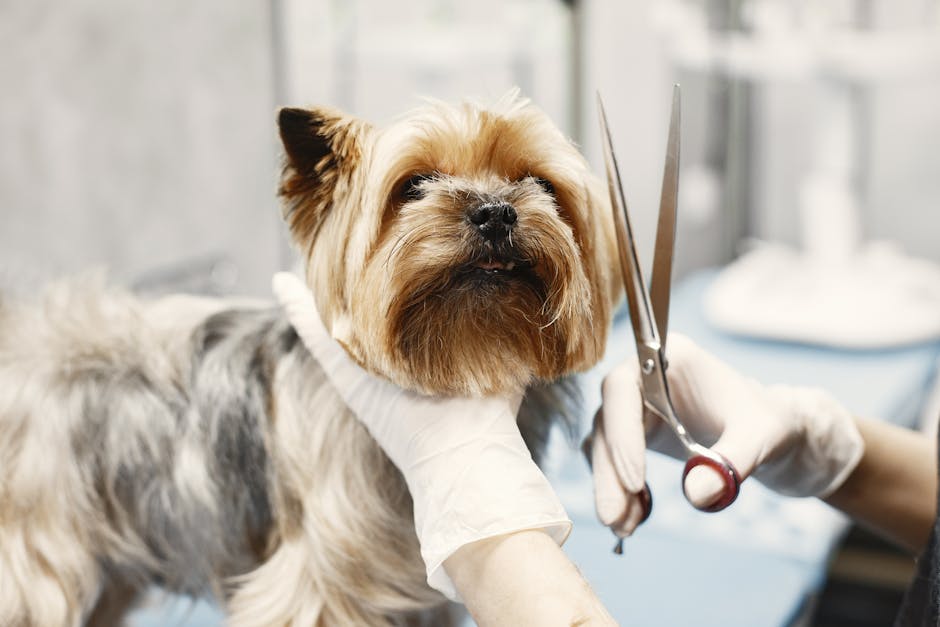
Before you begin, gather the right tools. Using proper equipment makes grooming safer and more comfortable for your shelter dog. Here's a checklist of essential grooming tools:
- Soft-bristle brush or slicker brush (depending on coat type)
- Stainless steel comb for detangling
- Dog-specific shampoo and conditioner (gentle, hypoallergenic)
- Nail clippers or grinder (with styptic powder in case of bleeding)
- Ear cleaning solution and cotton balls
- Dog toothbrush and enzymatic toothpaste
- Grooming wipes for quick touch-ups
- Non-slip mat for bath time safety
Investing in quality tools will make the process easier and more enjoyable for both of you. However, you don't need to buy everything at once; start with the basics and add as needed.
How Do You Introduce Your Shelter Dog to Grooming?
Introducing grooming gradually is crucial for a newly adopted shelter dog. Follow these steps to ensure a positive first experience:
- Start with a calm environment: Choose a quiet room with minimal distractions. Have treats ready.
- Allow your dog to investigate the tools: Let them sniff the brush or clippers before using them.
- Pair tool with treats: Touch the brush to their back, then give a treat. Repeat until they are comfortable.
- Short sessions: Keep initial sessions under five minutes. Gradually increase time as your dog relaxes.
- End on a positive note: Always finish with a treat and praise. Never force a step if your dog shows fear.
Additionally, pay attention to your dog's body language. Signs of stress like lip licking, yawning, or stiff posture indicate you need to slow down. Patience and consistency will build your dog's confidence.
What Are the Essential Grooming Steps for a Shelter Dog?
Once your dog is comfortable with the basics, you can move into a full grooming routine. Here's a step-by-step guide covering all essential areas.
Brushing
Brushing removes loose fur, dirt, and mats. For short-haired dogs, use a soft bristle brush. For long-haired or double-coated breeds, a slicker brush and metal comb work best. Brush in the direction of hair growth, using gentle strokes. Pay special attention to areas prone to matting, like behind the ears and under the legs. Regular brushing also distributes natural oils, giving the coat a healthy shine.
Bathing
Bathing a shelter dog for the first time can be stressful. Use lukewarm water and a non-slip mat. Wet the dog thoroughly, avoiding the eyes and ears. Apply dog shampoo and lather gently, then rinse completely. Follow with conditioner if needed. Dry with a towel or low-heat blow dryer on a quiet setting. Never use human products, as they can irritate a dog's skin. If your dog is extremely anxious, consider using waterless shampoo or grooming wipes instead.
Nail Trimming
Long nails are common in shelter dogs and can cause pain or posture issues. Trim small amounts at a time, avoiding the quick (the pink area inside the nail). For dark nails, trim gradually and look for a black dot in the center. Use a nail grinder for a smoother finish. If you're unsure, ask a vet or groomer to demonstrate. Always have styptic powder ready in case of bleeding.
Ear Cleaning
Check your dog's ears for redness, odor, or discharge. Moisten a cotton ball with ear cleaning solution and gently wipe the outer ear. Never insert anything into the ear canal. If you see signs of infection, consult your veterinarian. Clean ears weekly or as needed, especially for dogs with floppy ears.
Teeth Brushing
Dental health is often overlooked in shelter dogs. Start by letting your dog taste the toothpaste from your finger. Then introduce a toothbrush, using circular motions on the teeth and gum line. Brush a few teeth at a time, gradually increasing. Aim for daily brushing, but even a few times a week helps. Dental chews and water additives can supplement your routine.
When Should You Start Grooming Your Newly Adopted Dog?
Timing matters. The first few days after adoption are for settling in and building trust. Don't rush into full grooming. Allow your dog to explore their new home and establish a routine. Start with gentle handling and short brushing sessions after a few days. However, if your dog has severe matting, fleas, or health issues that require immediate attention, seek professional help. Once your dog is comfortable with you and the environment, you can begin a regular grooming schedule. Typically, full grooming sessions can begin within the first week, but always follow your dog's cues. Patience now prevents future anxiety.
How Can You Make Grooming a Positive Experience?
Grooming should be a bonding activity, not a chore. Here are tips to keep it positive:
- Use high-value treats like small pieces of chicken or cheese.
- Speak in a calm, soothing voice throughout the session.
- Take breaks if your dog becomes restless or stressed.
- End each session with playtime or a walk to create a positive association.
- Keep sessions short and frequent rather than long and infrequent.
- Never punish your dog for resisting; instead, adjust your approach.
Additionally, consider using calming aids like pheromone sprays or lavender scent (if safe for dogs) to create a relaxing atmosphere. The goal is to make grooming something your dog looks forward to.
Conclusion
Grooming your newly adopted shelter dog is a vital part of their integration into your home. By following these grooming tips for newly adopted shelter dogs, you'll not only improve their physical health but also strengthen the bond you share. Remember to be patient, use positive reinforcement, and adapt to your dog's unique needs. With time and consistency, grooming will become a pleasant routine that both you and your dog enjoy. If you ever feel overwhelmed, don't hesitate to consult a professional groomer or your veterinarian for guidance.