
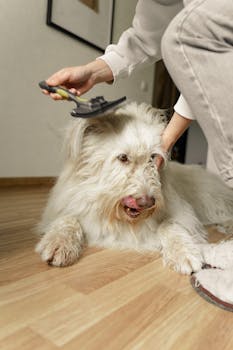
Bringing home a new pet is an exciting journey, but ensuring they look and feel their best starts with having the right essential grooming supplies. From brushes to nail clippers, assembling a complete pet grooming kit prepares you for routine care and strengthens the bond with your furry friend. Whether you have a long-haired cat or a short-coated dog, the right tools make grooming stress-free and effective. This list covers the core items every new pet owner needs to keep their companion healthy, comfortable, and well-groomed.
1. High-Quality Brush or Comb
A good brush or comb is the foundation of your grooming kit. Different coat types require specific tools: slicker brushes work well for long-haired pets, while rubber curry brushes are ideal for short coats. For double-coated breeds, an undercoat rake helps remove loose fur before it mats. Choosing the right brush prevents painful tangles and reduces shedding around your home.
Additionally, regular brushing distributes natural oils across the skin and coat, promoting shine and health. It also gives you a chance to check for fleas, ticks, or unusual lumps. Aim to brush your pet at least two to three times per week, though daily sessions are beneficial during shedding seasons. Start slowly, using treats and praise to create positive associations.
- Slicker brush for medium to long hair
- Bristle brush for short, smooth coats
- Undercoat rake for double-coated breeds
- Dematting comb for tangled fur
2. Nail Clippers or Grinder
Trimming your pet's nails is an essential grooming task that many new owners find intimidating. However, with the right tool, it becomes straightforward. Guillotine-style clippers are popular for small to medium dogs and cats, while scissor-type clippers work well for larger breeds. Alternatively, a nail grinder offers gradual filing and reduces the risk of cutting the quick.
Furthermore, keeping nails short prevents discomfort, broken nails, and posture issues. Long nails can snag on carpets or cause your pet to walk awkwardly. If you're nervous, ask your veterinarian or a professional groomer to demonstrate the correct technique. Always have styptic powder on hand to stop bleeding in case of accidental nicking.
3. Pet-Safe Shampoo and Conditioner
Not all shampoos are created equal. Human shampoos can strip your pet's skin of protective oils, leading to dryness and irritation. Instead, choose a pH-balanced, pet-specific formula. Hypoallergenic options are great for sensitive skin, while oatmeal-based shampoos soothe itchiness. For certain conditions, such as fungal or bacterial infections, medicated shampoos may be necessary under veterinary guidance.
Conditioner is equally important, especially for long-haired pets. It detangles fur, adds moisture, and helps maintain a healthy coat. When bathing, use lukewarm water and thoroughly rinse all product residue, as leftover shampoo can cause irritation. A rubber bath mat provides slip resistance, making your pet feel more secure during bath time.
4. Grooming Wipes
Grooming wipes are a convenient addition to your essential grooming supplies. They allow you to quickly clean muddy paws, wipe away eye discharge, or freshen up your pet between baths. Look for alcohol-free, pH-balanced wipes that are safe for use around the face and ears. Some brands contain aloe or chamomile for gentle cleansing.
Additionally, wipes are invaluable for travel or quick cleanups after walks. They can also be used to gently clean folds and wrinkles on breeds like French Bulldogs and Pugs. However, avoid using wipes on open wounds or irritated skin. Dispose of used wipes properly rather than flushing them, as many are not biodegradable.
5. Toothbrush and Pet-Safe Toothpaste
Dental care is often overlooked by new pet owners, but it is a vital part of overall health. Plaque and tartar buildup can lead to gum disease, bad breath, and even systemic issues affecting the heart and kidneys. A soft-bristled toothbrush designed for pets, or a finger brush for easier handling, should be paired with enzymatic toothpaste made specifically for animals.
Never use human toothpaste, as it contains fluoride and xylitol that are toxic to pets. Start by letting your pet taste the toothpaste from your finger, then gradually introduce the brush. Aim for daily brushing, but three times per week is a good starting point. For dogs that resist, dental chews and water additives can supplement your routine, though they don't replace brushing.
- Soft-bristled pet toothbrush
- Enzymatic pet toothpaste (chicken or beef flavor)
- Finger brush for small pets
- Dental chews as a supplement
6. Ear Cleaner and Cotton Balls
Ear infections are common in pets with floppy ears or those that swim frequently. A veterinarian-recommended ear cleaning solution helps remove wax and debris while maintaining a healthy pH balance. Use cotton balls (never cotton swabs, which can push debris deeper) to gently wipe the outer ear canal. Avoid inserting anything into the ear canal itself.
Furthermore, regular ear checks allow you to spot early signs of infection, such as redness, odor, or excessive scratching. Clean ears once a week or as directed by your vet. If your pet shows discomfort, stop and consult a professional. Keeping ears dry after baths and swims also reduces the risk of infection.
7. Grooming Scissors or Clippers
For pets with long hair, grooming scissors are essential for trimming around the eyes, paws, and sanitary areas. Round-tip safety scissors minimize the risk of accidental pokes. For full-body trims, electric clippers with adjustable blade guards offer precision and speed. Clippers are particularly useful for breeds that require regular haircuts, like Poodles, Shih Tzus, and Yorkshire Terriers.
However, using clippers requires practice. Start with a longer guard to avoid cutting too close to the skin. Keep the blades clean and oiled for smooth operation. If you're uncomfortable performing a full groom, consider having a professional do it initially while you learn the basics at home.
8. Deshedding Tool
If you have a heavy shedder, a deshedding tool is a game-changer. Unlike regular brushes, these tools have fine, curved blades that reach the undercoat and remove loose hair before it falls onto your furniture. Popular options include the Furminator or similar undercoat rakes. Use them gently to avoid irritating the skin, especially on sensitive areas.
Furthermore, regular deshedding (once or twice a week during peak shedding seasons) can reduce hair ingestion during self-grooming, which helps prevent hairballs in cats. It also keeps your pet cooler in warm months by removing excess insulation. Always follow the manufacturer's guidelines for your pet's coat length and thickness.
9. Absorbent Towels and a Pet Blow Dryer
After a bath, drying your pet thoroughly is crucial. Wet fur can lead to skin infections and chills. Microfiber towels are highly absorbent and gentle on the coat. For pets that tolerate it, a pet-specific blow dryer with adjustable heat and speed settings dries faster and helps fluff the coat. Never use a human hair dryer, as it can burn sensitive skin.
Additionally, some pets are fearful of the noise. Introduce the dryer at a low speed while offering treats. Start by drying the back and legs, avoiding the face until your pet is comfortable. For short-haired pets, towel drying alone may suffice, but always ensure the undercoat is completely dry.
10. Grooming Table or Non-Slip Mat
While not strictly required, a dedicated grooming surface improves safety and ergonomics. A grooming table with a non-slip rubber mat and grooming loop (or gentle harness restraint) keeps your pet secure and at a comfortable height for you. This prevents back strain and reduces the risk of your pet jumping mid-groom. If a table isn't feasible, a non-slip bath mat on the floor works well for low-budget setups.
Furthermore, a well-lit area and good posture make grooming easier. Combine the mat with a grooming arm for hands-free support. This equipment is especially helpful for trimming nails or brushing long hair, as your pet stays calm and steady.
Conclusion
Assembling these essential grooming supplies sets you up for success as a new pet owner. Regular grooming not only keeps your pet looking great but also promotes health, comfort, and early detection of potential issues. Start with the basics, invest in quality tools, and always use positive reinforcement to make grooming a pleasant experience. Your pet will thank you with wagging tails and purrs, while you enjoy a cleaner, happier home. For more tips, consult your veterinarian or a professional groomer to tailor your kit to your pet's specific needs.