
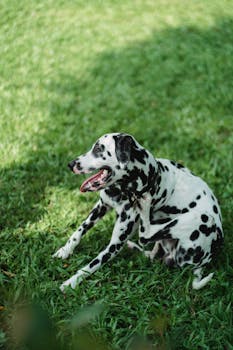
When you run a comb through your pet's coat, you are doing more than just removing tangles and loose fur—you are performing a health check. During routine grooming, recognizing common skin conditions during grooming can make all the difference in catching issues early. Many skin problems first appear as subtle changes in texture, color, or odor, and a thorough brushing session is the perfect opportunity to spot them. Whether you are a professional groomer or a devoted pet owner, learning to identify these signs keeps your furry friend comfortable and healthy. In this guide, we will walk you through what to look for, how to differentiate between conditions, and when to call the vet.
Why Grooming is the Perfect Time for Skin Checks
Grooming provides a unique chance to inspect every inch of your pet's body without causing stress. The repetitive motion of brushing naturally parts the hair, revealing the skin underneath. Furthermore, many pets relax during grooming, making them more tolerant of handling sensitive areas. This hands-on approach allows you to notice abnormalities such as lumps, redness, or excessive scaling that might otherwise go unnoticed. Additionally, regular grooming helps distribute natural oils, which can highlight areas where the skin is dry or flaky. By integrating a skin check into your grooming routine, you transform a simple chore into a proactive health measure. This habit is especially valuable for long-haired breeds, whose dense coats can hide problems for weeks. Remember, early detection often leads to simpler, less expensive treatments, so never skip this step.
Red Flags: What to Look for During Brushing
As you groom, train your eyes and fingers to pick up on subtle clues. Here are the key red flags that warrant a closer look:
Lumps and Bumps
Run your hands over your pet's body, feeling for any abnormal bumps under the skin. These could be harmless cysts, fatty tumors, or more serious growths. Note the size, texture, and whether the lump is movable. If you find a new lump or one that changes rapidly, consult your veterinarian.
Redness and Inflammation
Inflamed skin appears pink or red and may feel warm to the touch. It often indicates allergies, infections, or irritation from parasites. Pay special attention to the belly, armpits, and inner thighs, where skin is more exposed.
Flaking and Dandruff
White flakes resembling dandruff can be a sign of dry skin, poor nutrition, or an underlying condition such as seborrhea. However, if the flakes are accompanied by itching or a musty odor, a fungal or bacterial infection could be present.
Hair Loss Patterns
Patchy hair loss, symmetrical thinning, or bald spots are never normal. They can result from hormonal imbalances, ringworm, or excessive licking due to allergies. Circular patches are particularly suspicious for ringworm.
Common Skin Conditions You Might Encounter
Understanding the most frequent skin conditions will help you recognize them during grooming. Below is an overview of what each condition looks like and how it behaves.
Allergic Dermatitis
Allergies are a leading cause of skin issues in pets. They can be triggered by food, pollen, dust mites, or flea bites. Symptoms include intense itching, red skin, and recurrent ear infections. You may notice your pet constantly scratching, licking paws, or rubbing against furniture. During grooming, look for reddened areas, especially on the face, paws, and rear. Treatment often involves dietary changes, antihistamines, or allergy shots.
Hot Spots (Acute Moist Dermatitis)
Hot spots are painful, moist, red lesions that appear quickly. They are often caused by a minor irritation that turns into a bacterial infection due to constant licking or chewing. You will recognize hot spots as circular, oozing patches that can grow rapidly. They are most common in warm, humid weather and on areas like the hips, neck, and tail base. Prompt veterinary care is necessary to prevent spread.
Fungal Infections (Ringworm)
Despite its name, ringworm is caused by a fungus, not a worm. It presents as circular, hairless patches with a scaly, red border. The affected skin may be slightly raised. Ringworm is highly contagious to other pets and even humans. If you suspect ringworm, isolate the animal and wear gloves during grooming. A veterinarian can confirm with a culture test.
Parasitic Infestations (Fleas, Ticks, Mites)
Fleas appear as tiny, fast-moving dark specks; you might also see flea dirt (black specks that turn red when wet). Ticks are larger and often found near the head, neck, and ears. Mites are microscopic but cause intense itching, hair loss, and crusty skin. During grooming, use a fine-toothed comb to check for parasites, especially after outdoor activities.
Seborrhea
Seborrhea is a condition where the skin produces too much sebum, leading to greasy, flaky skin and a foul odor. It can be primary (genetic) or secondary to allergies, hormonal issues, or infections. Grooming notes: you will see yellow, greasy scales and an oily coat. Special medicated shampoos are often prescribed.
How to Differentiate Between Contagious and Non-Contagious Issues
One of the most critical distinctions during grooming is whether the skin condition can spread to other pets or humans. Here are key differences:
- Contagious signs: Circular hairless patches (ringworm), visible parasites (fleas, ticks, scabies mites), crusty lesions that spread rapidly, and involvement of multiple pets in the household.
- Non-contagious signs: Symmetrical hair loss (often hormonal), dry flaky skin without circular patterns, isolated lumps or bumps, and redness linked to allergies without obvious parasites.
However, some conditions like bacterial skin infections are not directly contagious but can be transmitted through contaminated bedding or tools. Always clean grooming equipment thoroughly after use, especially if you suspect any infection.
Actionable Tips for Groomers and Pet Owners
When you spot something unusual, follow these steps to handle the situation safely and effectively:
- Stop and assess. Do not continue grooming the area aggressively. Gently part the hair and note the size, color, and texture of the lesion.
- Take a photo. Pictures provide a visual record for your veterinarian and help track changes over time.
- Clean the area lightly. Use a pet-safe antiseptic wipe only if the skin is not broken or painful. Avoid harsh chemicals.
- Isolate if contagious is suspected. If ringworm or scabies is possible, keep the pet away from other animals and wear disposable gloves.
- Sanitize grooming tools. Wash combs, brushes, and clippers in hot, soapy water or a diluted bleach solution (followed by thorough rinsing).
- Schedule a vet visit. For any persistent, worsening, or unusual skin issue, professional diagnosis is essential.
Additionally, keep a grooming log. Note the date, location on the body, and any changes. This information is invaluable for your veterinarian in pinpointing triggers or patterns.
When to Seek Veterinary Attention
Not every skin irregularity requires a vet, but some signs demand immediate care. Seek professional help if you observe:
- Open sores, bleeding, or pus
- Rapidly spreading lesions
- Signs of pain (whining, flinching, aggression when touched)
- Lethargy, fever, or loss of appetite
- Hair loss in symmetrical patterns (often hormonal)
- Any lump that feels hard, is immovable, or changes shape
Furthermore, if your pet is scratching so intensely that it breaks the skin, the risk of secondary infection is high. Your veterinarian can perform skin scrapings, cytology, or allergy testing to get to the root cause. Remember, early intervention often means a quicker, less stressful recovery.
Conclusion
Grooming is far more than a beauty routine—it is a window into your pet's overall health. By recognizing common skin conditions during grooming, you empower yourself to act before small problems become big ones. From lumps and redness to flaking and hair loss, every clue matters. Incorporate a systematic skin check into every grooming session, and don't hesitate to consult your veterinarian when in doubt. Your attentive care will keep your pet's coat shiny, their skin healthy, and their tail wagging for years to come. Happy grooming!