
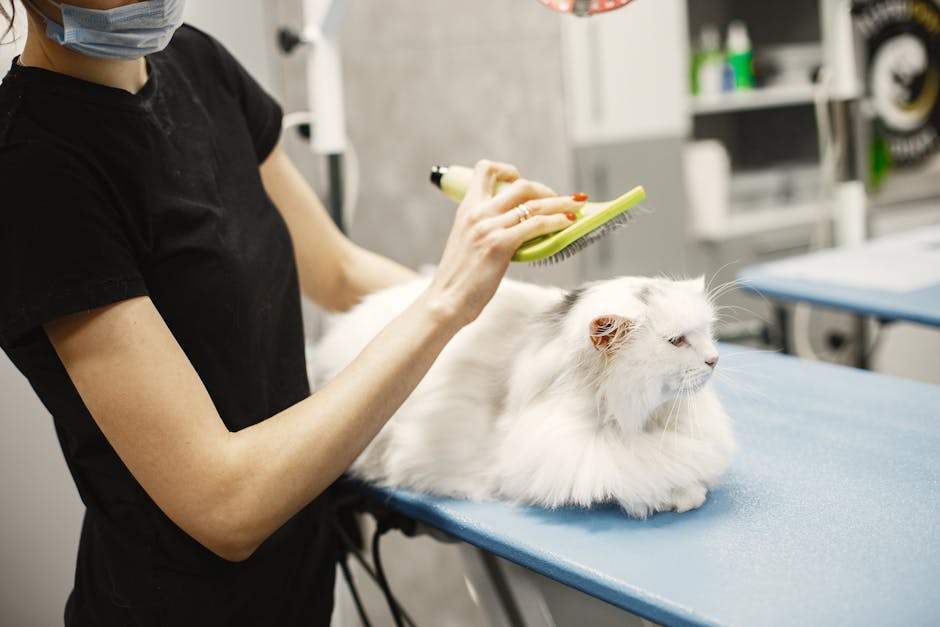
Selecting the perfect grooming tool starts with understanding your dog's unique coat. The primary keyword is how to choose the right brush for your dog coat type, a decision that impacts shedding, mat prevention, and skin health. Whether you have a sleek short-haired breed or a fluffy double-coated companion, the wrong brush can cause discomfort or ineffective grooming. This guide walks you through identifying coat characteristics, matching them to brush types, and using proper techniques—all while keeping your pet's experience positive. Let's explore the five essential steps to master canine coat care.
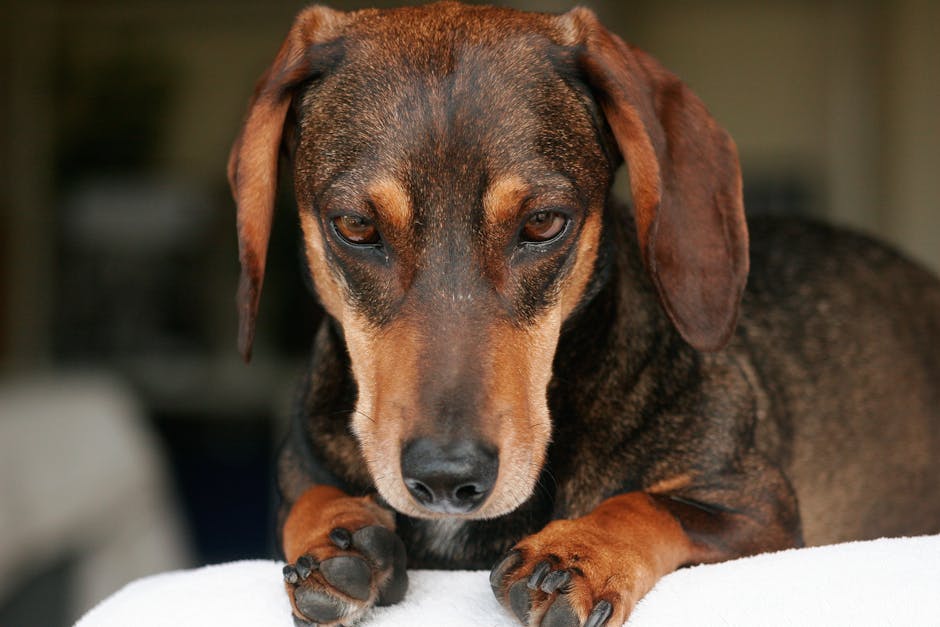
Step 1: What Is Your Dog's Coat Type?
Before you pick up a brush, assess your dog's coat. Canine coats fall into several categories: smooth (short, flat hair like Beagles), double (dense undercoat with longer guard hairs like Huskies), wire/harsh (rough, wiry texture like Terriers), curly (tight curls like Poodles), silk (long, fine hair like Yorkies), and corded (matted ropes like Komondors). Each type sheds differently and requires distinct grooming tools. For example, a double coat needs an undercoat rake to remove loose fur without damaging the top coat, while a curly coat demands a slicker brush to prevent tangles. Understanding the coat structure helps you avoid common mistakes, such as using a bristle brush on a thick double coat—it simply won't penetrate deeply enough. Additionally, consider if your dog has sensitive skin; some brushes have rounded tips to prevent scratching. Take a moment to examine your dog's coat visually and by touch: short and smooth, long and silky, or dense and fluffy. This first step sets the foundation for choosing the right brush.
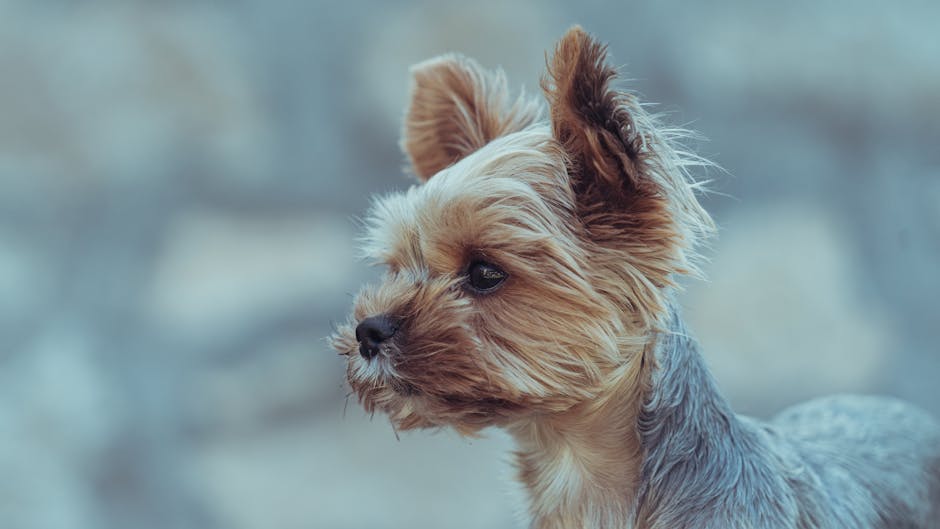
Step 2: How to Identify Your Dog's Coat Length and Texture?
Coat length and texture further refine your brush choice. Measure the guard hairs (outer layer) and undercoat (if present). Short coats are under 1 inch (e.g., Dalmatians), medium coats 1–2 inches (e.g., Golden Retrievers), and long coats exceed 2 inches (e.g., Shih Tzus). Texture varies from silky (soft, shiny) to wiry (rough, bristly) to woolly (dense, curly). To test texture, rub your fingers against the grain—a double coat feels thick and soft underneath, while a wire coat feels sharp. Use these observations to narrow down brush types:
- Short, smooth coats: Use a soft bristle brush or grooming glove to remove loose hair and stimulate blood flow.
- Medium, double coats: Start with an undercoat rake to remove dead undercoat, then finish with a slicker brush for a sleek appearance.
- Long, silky coats: Pin brushes work best to detangle without pulling, while a bristle brush adds shine.
- Curly or woolly coats: Slicker brushes with fine, angled pins effectively remove mats and debris.
- Wire coats: A wire-pin brush or rake helps strip dead hair without breaking the wiry texture.
Furthermore, some breeds have mixed textures; for instance, a Schnauzer has a wiry coat on the body but softer hair on the legs. In such cases, use different brushes for each area. Remember, texture also influences how often you should groom—dense coats need weekly maintenance, while smooth coats can go longer.
Step 3: Which Brush Features Matter Most for Different Coats?
Not all brushes are created equal. Key features include bristle stiffness, pin length, and head shape. For example:
- Slicker brushes: Best for medium to long coats and curly hair. Look for flexible, rounded tips to avoid scratches.
- Bristle brushes: Ideal for short, smooth coats. Boar bristles are gentle and distribute natural oils, while synthetic bristles are stronger for thicker coats.
- Undercoat rakes: Designed for double-coated breeds. Choose stainless steel rotating teeth that penetrate without cutting the coat.
- Pin brushes: Suitable for long, silky coats. Ensure pins have protective tips to prevent snagging.
Additionally, ergonomic handles reduce hand fatigue during lengthy grooming sessions. For small dogs or those with sensitive skin, a soft-bristle brush with an antistatic finish prevents discomfort. When comparing brushes, consider the following table for quick reference:
| Coat Type | Recommended Brush | Key Feature |
|---|---|---|
| Smooth short hair | Soft bristle or rubber curry | Gentle on skin |
| Double coat | Undercoat rake + slicker | Removes loose undercoat |
| Curly / woolly | Slicker with fine pins | Detangles without breakage |
| Wire / harsh | Wire-pin brush or stripping knife | Preserves coat texture |
| Long silky | Pin brush + soft bristle | Reduces static |
Moreover, consider the brush's size relative to your dog. A large brush on a small dog can be intimidating, while a tiny brush on a Great Dane is inefficient. Always match the brush head area to the dog's body size.
Step 4: What Are the Best Brushing Techniques for Different Coats?
Even the right brush can cause harm if used incorrectly. For short, smooth coats, brush in the direction of hair growth with gentle strokes. Avoid back-and-forth sawing, which can irritate skin. For double coats, start with the undercoat rake: use long, gentle strokes from the skin outward. Never yank or pull—dead hair should lift easily. Then, use a slicker brush to smooth the top coat. For curly coats, section the hair and brush small areas at a time using a detangling spray if needed. Work from the tips toward the skin to avoid pulling mats deeper. Wire coats benefit from a raking motion that removes dead hairs while preserving the rough texture. Finally, for long silky coats, use a pin brush to detangle, then follow with a bristle brush for shine. Always reward your dog with treats and praise to create a positive grooming association. A helpful tip: brush in the same direction as the coat's natural growth to minimize pulling. For sensitive areas like the face or belly, switch to a smaller, softer brush.
Step 5: How Often Should You Brush Your Dog Based on Coat Type?
Brushing frequency directly depends on coat type. Smooth short coats need brushing once a week to remove loose hair and distribute oils. Double-coated breeds require brushing two to three times per week during heavy shedding seasons (spring and fall) and once a week otherwise. Curly and woolly coats (like Poodles) need daily brushing to prevent mats and tangles, along with a professional groom every 4–6 weeks. Wire coats benefit from weekly brushing plus hand-stripping a few times a year to maintain texture. Long silky coats, such as those on Shih Tzus, should be brushed daily to avoid knots, paying special attention to legs and ears. Additionally, consider your dog's activity level—more active dogs may pick up debris that requires more frequent grooming. Whatever the schedule, always inspect the brush after use; remove collected hair to maintain its efficacy. Over-brushing can lead to skin irritation, so follow these guidelines closely. With consistency, you'll reduce shedding, prevent mats, and strengthen the bond with your pet.
Conclusion
Choosing the right brush for your dog's coat type is a straightforward process when you follow these steps: identify the coat type, assess length and texture, pick the appropriate brush features, master the technique, and establish a routine. Remember that every dog is unique, so adapt these guidelines based on your pet's individual needs and preferences. A little research and observation will save you time and ensure a comfortable, effective grooming experience. Start with a quality brush that matches your dog's coat, and you'll both enjoy the results—a healthier coat, less mess, and more quality time together.