

When bringing a new pet home, understanding the cat vs dog grooming needs key differences can save you time, money, and frustration. While both require regular care, dogs often demand more frequent and intensive grooming due to their active lifestyles and varied coat types. Cats, on the other hand, are self-groomers but still need your help to prevent hairballs and matting. This article breaks down the essential differences, from bathing to nail trimming, so you can create the perfect grooming routine for your furry friend.
What Are the Fundamental Differences in Coat Types?
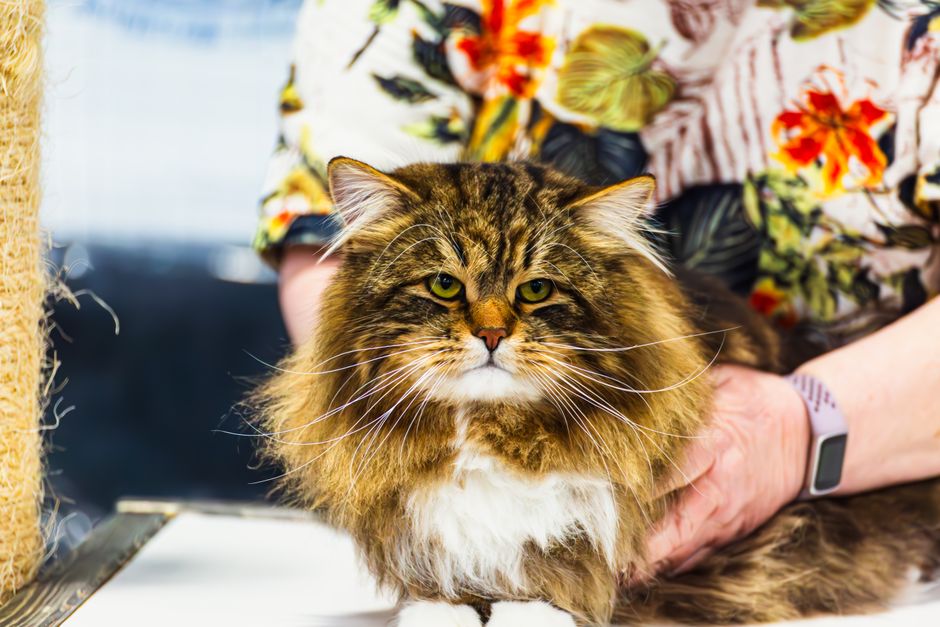
The most noticeable difference between cats and dogs lies in their coat types. Dogs come in a vast range—short, long, curly, wiry, double-coated, and hairless—each with unique grooming demands. Cats, however, generally fall into three categories: short-haired, long-haired, and medium-haired. While both species have something for every allergy sufferer or style preference, the underlying hair structure differs.
For example, many dogs have double coats (like Huskies) that shed heavily twice a year, requiring thorough de-shedding tools. Cats like Persians have fine, silky fur that mats easily, while short-haired cats have sleek coats that need minimal brushing. Below is a quick list of common coat types:
- Dogs: Smooth (Beagle), Double (Golden Retriever), Curly (Poodle), Wire (Terrier), Hairless (Chinese Crested)
- Cats: Short (Siamese), Long (Persian), Medium (Ragdoll), and curly breeds like the Devon Rex
Understanding your pet's coat type is the first step in mastering your pet's grooming needs. Furthermore, it determines the tools, frequency, and techniques you'll need to use.

How Often Should You Groom a Cat vs a Dog?
Frequency is one of the biggest factors in cat vs dog grooming needs. Dogs generally require more frequent grooming because they get dirtier from outdoor activities, while cats spend most of their time indoors and clean themselves. However, that doesn't mean cats can be ignored.
For dogs, grooming frequency depends on breed and coat type. Short-haired breeds need weekly brushing, while long-haired or double-coated dogs may need daily sessions. Dogs also need baths every 4 to 8 weeks, depending on skin conditions and how often they roll in mud. In contrast, cats typically only need a bath once every few months (or rarely), unless they have medical issues. However, all cats benefit from weekly brushing—long-haired cats should be brushed daily to prevent matting. Nail trimming is similar: both need it every 2–4 weeks, but cats can be more resistant.
What Tools Are Needed for Cat vs Dog Grooming?
The tools you need also differ significantly between cats and dogs. While some items are universal (like nail clippers and flea combs), others are species-specific. Using the wrong brush can hurt your pet or fail to remove loose hair effectively.
Essential Dog Grooming Tools
- Slicker brush for detangling
- Undercoat rake for heavy shedders
- De-shedding tool for double coats
- Dog-specific shampoo and conditioner
- Ear cleaning solution (dogs prone to infections)
- Nail grinder or clipper
Essential Cat Grooming Tools
- Fine-toothed comb for fleas and tangles
- Rubber grooming mitt for shedding
- Cat-safe shampoo (never use dog products)
- Soft bristle brush for short coats
- Mat splitter for long-haired breeds
- Nail clippers with safety guard
Additionally, cats may need a grooming glove to make brushing feel like a petting session. Dogs often require more heavy-duty tools for their thicker coats. Remember, never force a cat to accept a tool—positive reinforcement is key.
Do Cats and Dogs Require Different Bathing Techniques?
Yes, absolutely. Bathing a dog is often a messy but manageable task, while bathing a cat can be a challenge that most owners dread. Dogs generally tolerate water, especially if they've been trained from puppyhood. Use lukewarm water, avoid getting water in ears, and rinse thoroughly. Dog shampoos are pH-balanced for canine skin, which is less acidic than human skin.
Cats, on the other hand, have a strong aversion to water due to their desert origins. They rarely need baths unless they are hairless breeds, have a skin condition, or get into something sticky. When you do bathe a cat, use a small tub with a non-slip mat, fill just a few inches of water, and keep the session under 5 minutes. Cat shampoos are specifically formulated for feline skin pH. Furthermore, always brush your cat before bathing to remove loose fur and mats. A gentle spray nozzle or cup to pour water is safer than a forceful shower head.
What About Nail Trimming and Ear Cleaning?
Nail trimming is a need for both species, but the approach differs. Dogs often require frequent trimming to prevent overgrowth that can cause pain and posture issues. Many dogs learn to accept it with treats and practice. Cats—especially indoor cats—also need regular nail trims to prevent snagging on carpets and furniture. However, cats have retractable claws, so you must gently press the paw pad to extend the nail. Always use cat-specific clippers with a guard to avoid cutting the quick.
Ear cleaning is more critical for dogs than cats. Floppy-eared dogs like Cocker Spaniels are prone to infections and need weekly cleaning. Use a vet-recommended ear cleaner and cotton ball—never a cotton swab. Cats generally have self-cleaning ears, but you should check monthly for dirt or wax. If you notice redness or discharge, see a vet. Both pets hate ear cleaning, so go slowly and offer plenty of rewards.
Are Professional Grooming Services Necessary for Both?
Professional grooming can be a lifesaver for certain breeds, but it's not always necessary. Dogs with complex coats (Poodles, Bichons, Shih Tzus) often need professional clipping every 6–8 weeks to maintain their shape and prevent matting. High-shedding dogs can also benefit from deshedding treatments. In contrast, most cats can be groomed at home with the right tools and patience. However, long-haired cats like Persians may need professional grooming 2–3 times a year to prevent severe mats.
Professional groomers are also skilled at handling anxious pets, which can help if your cat or dog is aggressive during grooming. For routine maintenance, investing in good tools and learning proper techniques can save you money and build trust with your pet.
Which Pet Is Easier to Groom, a Cat or a Dog?
Overall, cats are generally lower-maintenance in terms of grooming—they bathe themselves, need fewer baths, and have simpler coat care. However, dogs are more forgiving when you make a mistake, and they often enjoy the bonding experience. In the cat vs dog grooming needs debate, the answer depends on your lifestyle and patience.
To help you decide, here's a quick comparison table:
| Aspect | Cat | Dog |
|---|---|---|
| Brushing frequency | 1–3 times/week (daily for long hair) | Daily for long coats, weekly for short |
| Bathing frequency | Every 2–6 months | Every 4–8 weeks |
| Nail trimming | Every 2–4 weeks | Every 3–4 weeks |
| Ear cleaning | Check monthly | Weekly for floppy ears |
| Professional visits | Rarely (for severe mats) | Every 6–8 weeks for many breeds |
| Tools investment | Moderate | High (varies by coat) |
In conclusion, by understanding these key differences, you can tailor your grooming routine to keep both cats and dogs healthy, comfortable, and looking their best. Start with the right tools, be consistent, and always use positive reinforcement—your pet will thank you with purrs and tail wags.