
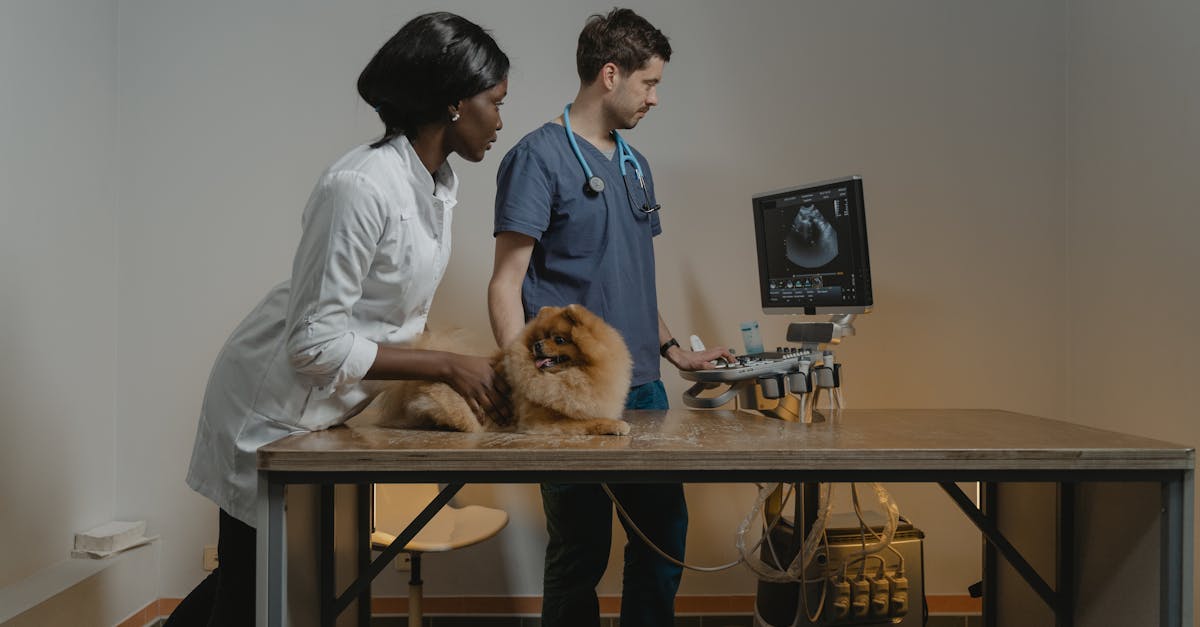
Urinary tract infections are common in dogs, particularly in females (shorter urethra provides easier bacterial access). Most UTIs are straightforward to treat with antibiotics, but recurrent UTIs or UTIs in male dogs often indicate underlying conditions (bladder stones, anatomical abnormalities, immune suppression, Cushing's disease) that require investigation.
Table of Contents
Symptoms
- Frequent urination (pollakiuria): Going out more often, small amounts each time
- Straining to urinate (stranguria): Posturing for extended periods, producing little
- Blood in urine (hematuria): Pink, red, or brown-tinged urine
- Inappropriate urination: Accidents indoors in previously house-trained dogs
- Strong/foul-smelling urine
- Licking at urinary opening excessively
- Cloudy urine
Emergency: If your dog (especially male) is straining and producing NO urine — this may be a urinary obstruction, not a UTI. Obstructions are life-threatening emergencies requiring immediate vet care. Blocked bladders can rupture within 24-48 hours.
Diagnosis
- Urinalysis: Evaluates concentration, pH, presence of bacteria, white blood cells, crystals, blood
- Urine culture & sensitivity: Identifies the specific bacteria and which antibiotics will kill it. Gold standard for treatment selection.
- Collection method matters: Cystocentesis (needle directly into bladder through abdomen) provides the most accurate sample. Free-catch samples may be contaminated by skin bacteria.
Treatment
- Simple UTI: 7-14 days of appropriate antibiotic (based on culture results ideally). Common antibiotics: amoxicillin-clavulanate, cephalexin, enrofloxacin.
- Complicated/recurrent UTI: Longer course (4-6 weeks), imaging (ultrasound/radiographs to check for stones), underlying disease workup.
Recurrent UTIs: Finding the Underlying Cause
Dogs with more than 2-3 UTIs per year need investigation:
- Bladder stones: Provide surface for bacteria to hide from antibiotics
- Anatomical abnormalities: Recessed vulva (vulvar fold dermatitis trapping bacteria), ectopic ureter
- Cushing's disease: Cortisol suppresses immune function → recurrent infections
- Diabetes: Glucose in urine feeds bacteria
- Bladder tumors: Transitional cell carcinoma (especially in Scottish Terriers, West Highland White Terriers)
Prevention
- Adequate water intake (encourages urination, flushing bacteria)
- Frequent bathroom breaks (don't force prolonged holding)
- Proper hygiene (keep vulvar area clean in predisposed females)
- Cranberry supplements (modest evidence for prevention — not treatment)
- Probiotic support for urogenital health
Frequently Asked Questions
Can I treat a UTI at home?
No. UTIs require prescription antibiotics. Cranberry juice, apple cider vinegar, and other home remedies do not treat active infections. Untreated UTIs can ascend to the kidneys (pyelonephritis) — a much more serious and potentially life-threatening condition.