
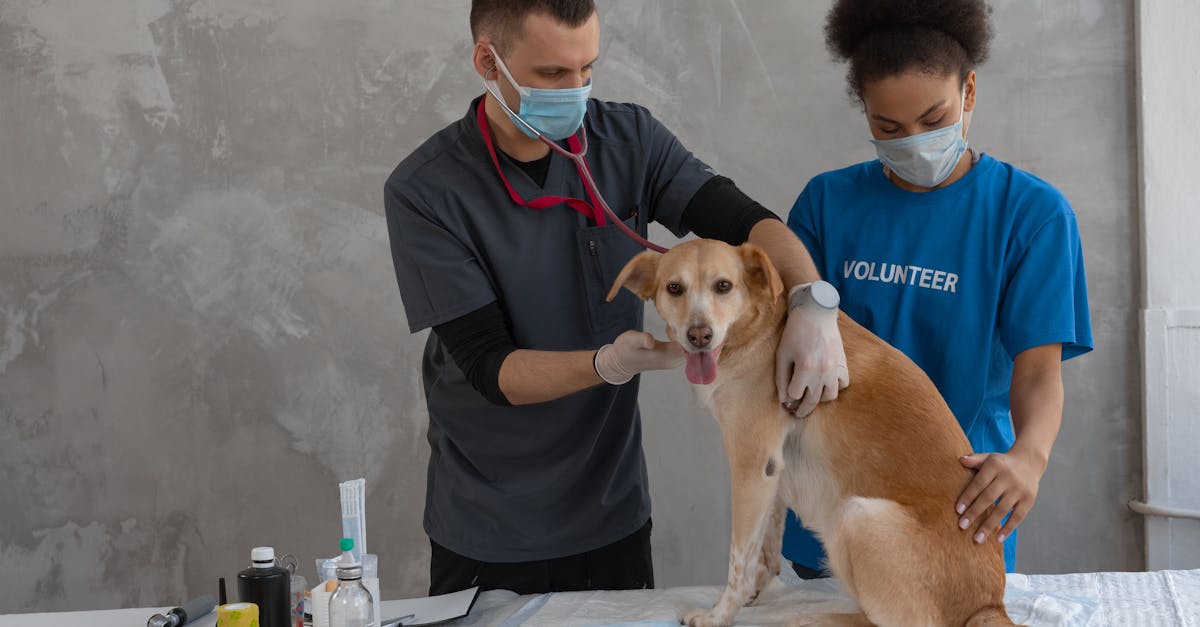
Pancreatitis — inflammation of the pancreas — ranges from mild discomfort to a life-threatening emergency. It is one of the most common causes of acute abdominal pain in dogs, frequently triggered by dietary indiscretion (eating fatty foods). Recognizing it early and managing it aggressively can mean the difference between a few days of hospitalization and fatal multi-organ failure.
Table of Contents
Types
| Type | Onset | Severity | Prognosis |
|---|---|---|---|
| Acute mild | Sudden | Vomiting, pain, decreased appetite | Good with treatment (3-5 days recovery) |
| Acute severe (necrotizing) | Sudden | Severe pain, shock, organ failure | Guarded — 25-30% mortality even with aggressive care |
| Chronic | Gradual/episodic | Recurring episodes, progressive damage | Manageable but permanent dietary changes needed |
Causes and Triggers
- Dietary fat: High-fat meals (table scraps, garbage, fatty treats) — the most common trigger
- Obesity: Overweight dogs at increased risk
- Hyperlipidemia: Elevated blood fats (genetic in Miniature Schnauzers)
- Medications: Some drugs can trigger pancreatitis (azathioprine, potassium bromide, some chemotherapy)
- Endocrine disease: Diabetes, hypothyroidism, Cushing's increase risk
- Trauma: Surgical manipulation, blunt abdominal trauma
- Breed predisposition: Miniature Schnauzers, Yorkshire Terriers, Cocker Spaniels
Symptoms
- Vomiting (often repetitive and severe)
- Abdominal pain: Hunched posture, "prayer position" (front end down, rear up), crying when abdomen touched
- Lethargy/depression
- Loss of appetite
- Diarrhea (may be bloody in severe cases)
- Fever
- Dehydration (from vomiting and fluid shifts)
Treatment
Hospitalization (Standard for Moderate-Severe)
- IV fluids: Aggressive fluid therapy to maintain hydration and pancreatic blood flow
- Pain management: Critical — pancreatitis is extremely painful. Opioids (buprenorphine, fentanyl CRI), gabapentin
- Anti-nausea: Maropitant (Cerenia), ondansetron
- Nutritional support: Early refeeding (within 24-48 hours) with low-fat food — contrary to the old "NPO until better" approach
- Monitoring: Serial blood work, vitals, pain scoring
Home Management (Mild Cases)
- Small, frequent meals of ultra-low-fat food (boiled chicken breast + rice, or prescription GI low-fat diet)
- Anti-nausea medication
- Pain management
- Gradual transition to low-fat maintenance diet
Long-Term Prevention
- Low-fat diet permanently (Royal Canin GI Low Fat, Hill's i/d Low Fat)
- No table scraps — especially during holidays (Thanksgiving weekend is "pancreatitis season" in vet ERs)
- No high-fat treats (cheese, peanut butter, fatty chews)
- Weight management
- Manage underlying conditions (hyperlipidemia, diabetes)
Frequently Asked Questions
Can one fatty meal really cause pancreatitis?
Yes. A single high-fat meal can trigger a severe or fatal acute pancreatitis episode in predisposed dogs. This is why "just a little" turkey skin, bacon grease, or butter is genuinely dangerous — not an overreaction by your vet.